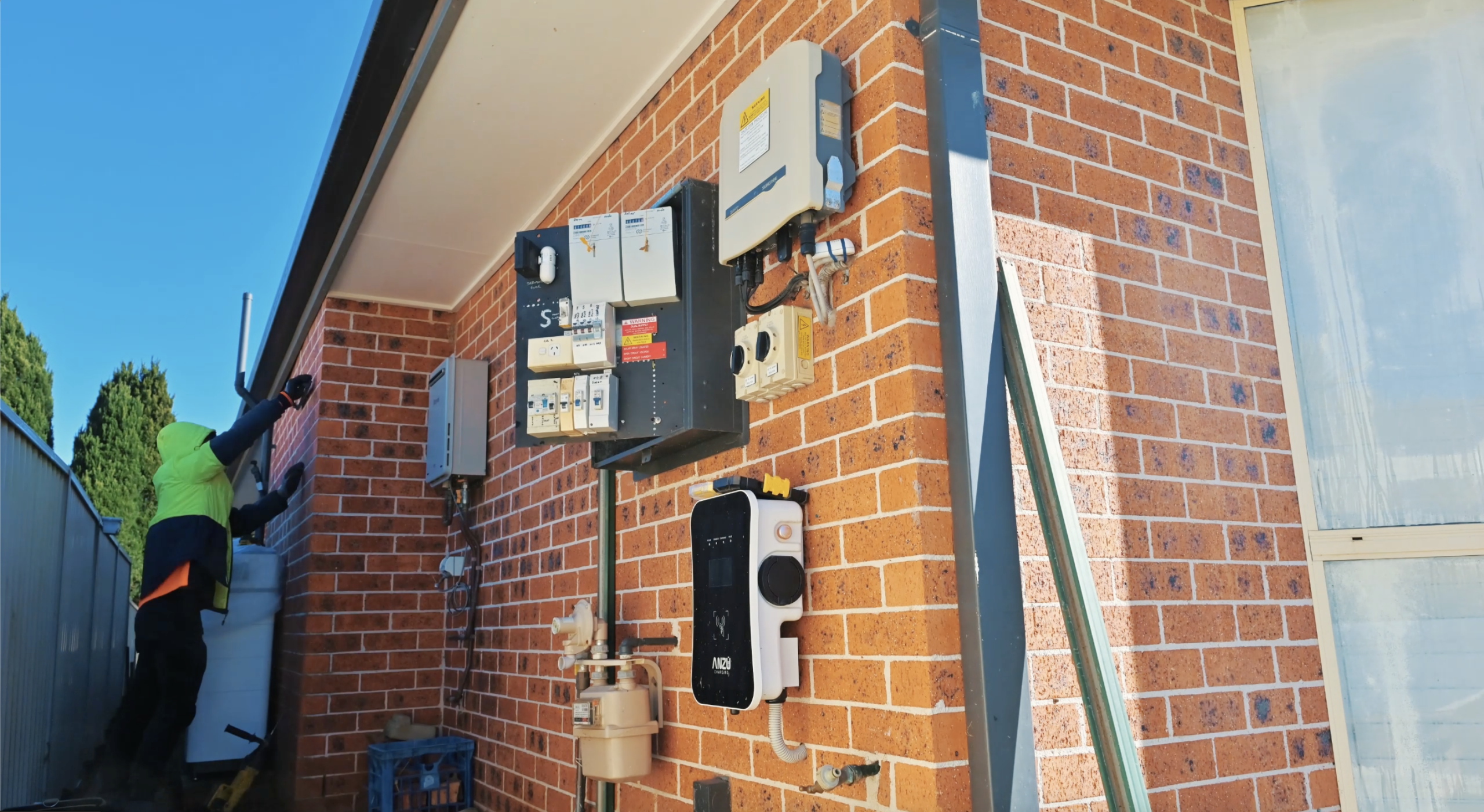
Why traditional designs leave money on the table
I remember walking a 420 kW rooftop job in Houston last March and watching the site manager flagging anomalies on the SCADA screen; we’d installed a commercial solar system but production didn’t match the model. When a C&I Solar rooftop array saw a 12% shortfall during peak hours—measured over four weeks—what caused that gap, and who pays for it? I’ve spent over 15 years in B2B solar supply chains; I’ve seen the common failure modes: poor PV array layout, undersized inverter selection, and omission of meaningful energy storage. Those faults translate to tangible cost: one client’s demand charges dropped only 18% instead of the expected 40% because the system never hit rated kW during evening ramp-downs (proof: utility bill reconciliation, April–June 2023). That mismatch—design versus reality—frustrated everyone involved (no fuss, no drama, just lost ROI).
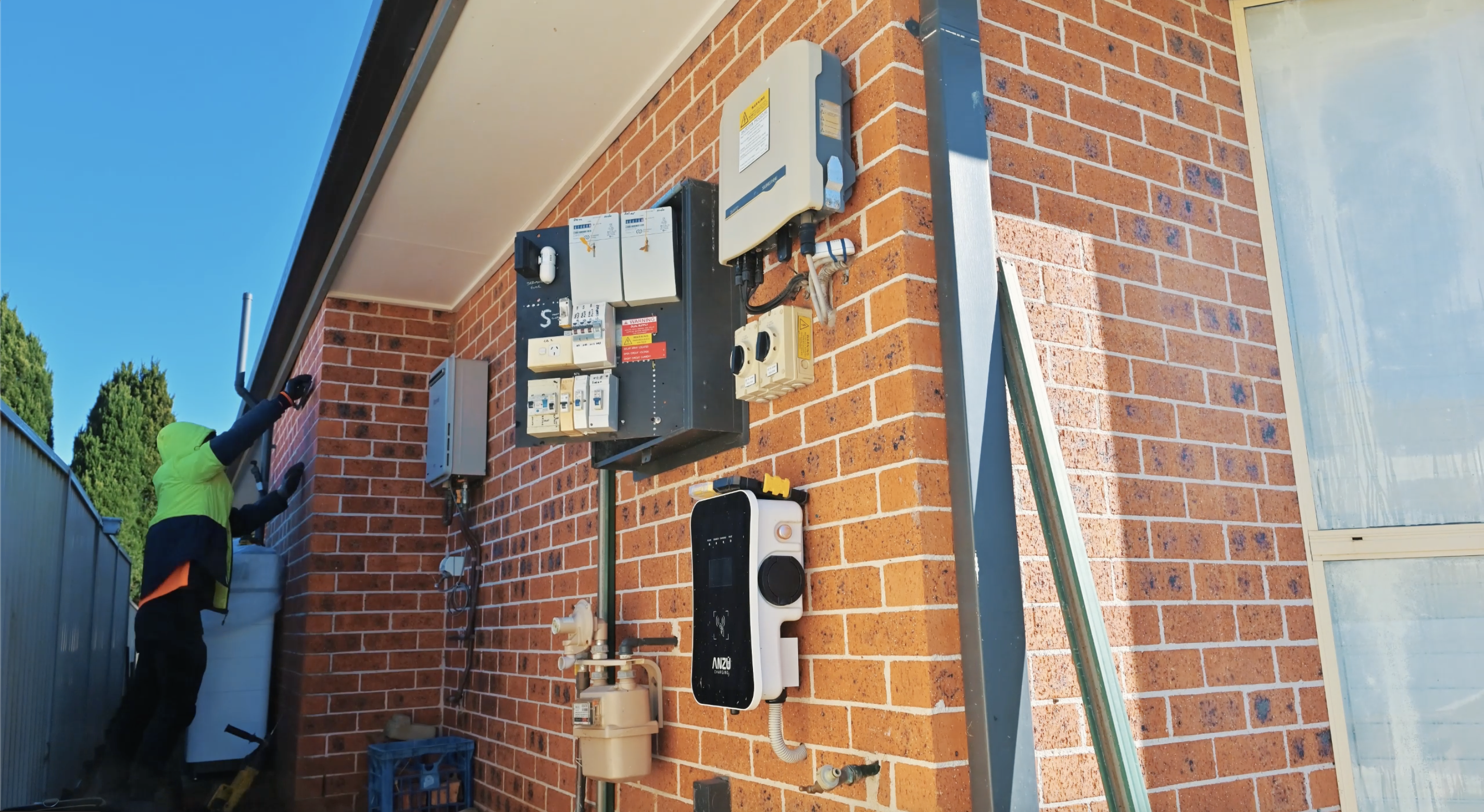
From my experience, traditional solutions often over-rely on theoretical irradiance models and underweight operational realities like shading from HVAC equipment or panel soiling cycles. I’ll be blunt: I’ve seen projects with excellent specs fail because balance-of-system choices—cabling, combiner sizing, and poorly matched inverters—were treated as an afterthought. We must shift attention to those hidden pain points: dynamic load profiling, inverter clipping, and the lifecycle cost of energy storage. These are the cracks that widen over time—and they’re fixable. —Next, I’ll map how to move forward.
Comparing fixes and choosing future-ready architecture
Now I switch to a forward-looking frame and get technical. A resilient plan pairs properly sized inverters with modular energy storage and active power controls; that trio solves intermittent clipping and limits demand spikes. When I designed a warehouse retrofit in Phoenix (June 2022) using a modular inverter topology and 250 kWh of battery buffering, the site hit modeled savings within three months—demand charges fell by 34% and the payback projection tightened materially. If you’re evaluating vendors, insist on field-validated performance data, fault-tolerant inverter topologies, and verifiable commissioning reports (I keep copies—always). This is about measurable outcomes: kW performance under load, battery round-trip efficiency, and mean time between failures for power electronics.
What’s Next — real deployment checks?
Practical next steps: run a short-term baseline of real load and production (I recommend at least 30 days), simulate worst-case shading and soiling, and stress-test the control firmware against rapid load swings. Compare manufacturer test results to field logs; don’t accept whitepaper-only claims. You’ll want PV array I-V curves, inverter clipping reports, and battery state-of-health trends to validate assumptions. —Pause. Then choose systems that show consistent, repeatable performance under real conditions.
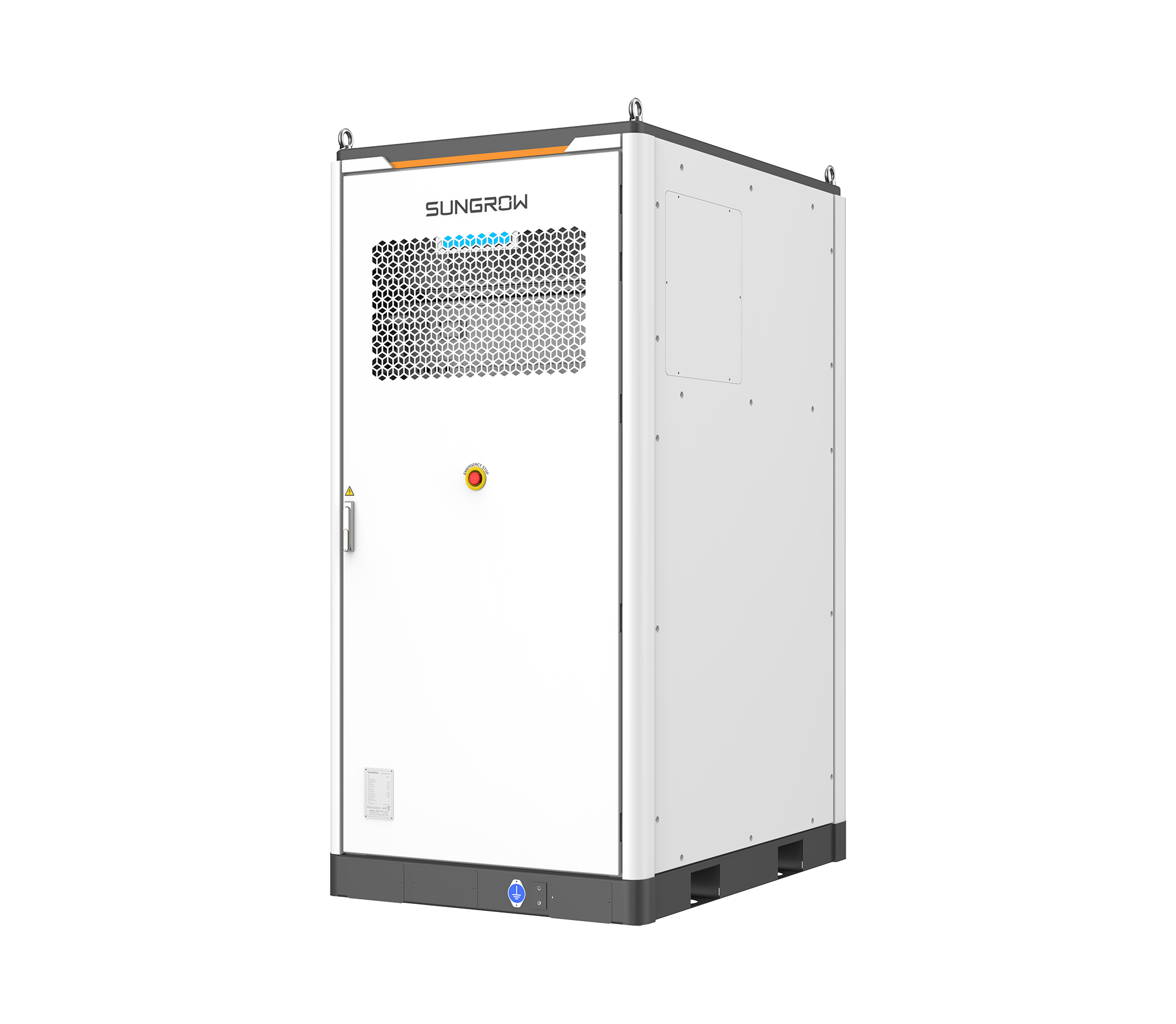
Three evaluation metrics I use as a buyer
I advise these three metrics—clear, measurable, and actionable: 1) Effective kW delivery under site-specific conditions (not nameplate), 2) Demand reduction reliability (percentage of billed demand peaks mitigated over 90 days), and 3) System availability (percent uptime for inverters and energy storage annually). I use these because they tie directly to financial outcomes and contract performance. When you score vendors on those metrics, you separate marketing from reality. Also—small aside—I once rejected a proposal because the inverter MTBF was unspecified; that saved the client a major retrofit six months later. Final note: evaluate total lifecycle cost, not just initial capex.
For wholesale buyers and procurement teams, this framework helps you cut through spec sheets and focus on proven operational value. If you want systems that actually perform in production, prioritize field data, stringent commissioning, and modular designs that reduce single points of failure. For trusted technology and service partners, consider vendors who publish real-world performance logs and stand behind them—like the teams I work with at sungrow.