
Opening: The brief that tastes like sunlight
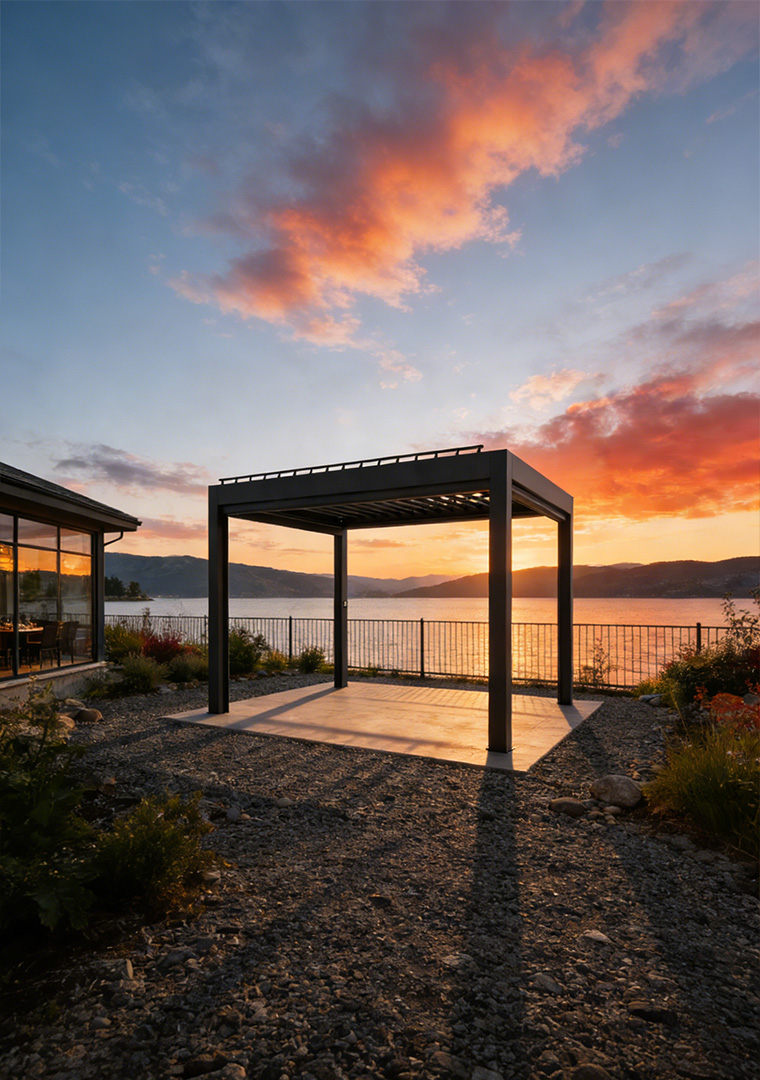
Picture a rooftop terrace where metal glows like toasted honey at noon, and rain drums a steady rhythm under a precise overhang—your users want comfort and spectacle, not compromises. Start with one clear need: reliably comfortable outdoor use all year. That often means integrating a photovoltaic pergola or other renewable source, because power for lighting, sensors, and motorized louvres turns a shelter into a usable space after dusk and during storms.
Getting the brief right for people who occupy the place
Ask the people who will use the pergola: capacity at peak times, desired sightlines, noise tolerance, and maintenance appetite. Listen for sharp preferences—shade for lunches, shelter for events, or a statement piece for branding. Translate those desires into measurable constraints: clearances, live loads, ingress/egress paths, service access. Don’t guess. A design that smells right to you must first fit the routines of staff and visitors.
Material and mechanical decisions that feel intentional
Choose materials by touch and endurance. Powder-coated aluminum reads cool and precise, cedar warms and ages with depth, steel gives you slim profiles and high spans. Louvres that tilt should move with a smooth, confident cadence; motors and drainage must not complain. Consider glass or polycarbonate for wind-driven rain; choose finishes that tolerate frequent cleaning. If solar is part of the brief, position arrays for midday yield without sacrificing shade at prime comfort hours.
Prototyping, testing, and a real-world anchor for judgement
I’ve led outdoor-structure product teams for over a decade, so I prescribe one rigorous step: build a small, instrumented prototype and let it live through weather and use. Look to where similar solutions face real demands—construction teams in California commonly specify pergolas for intrusion-proof shading and year-round hospitality on coastal terraces. That practical context matters when you evaluate durability and user comfort, and it’s echoed in numerous building reports and regional case studies. If you’re aiming for an all season pergola, the prototype should record water runoff, thermal comfort, and actuator cycles before you scale.
Common mistakes that spoil the experience
Don’t under-spec foundations because the pergola looks light on paper; lateral loads and uplift are easy to misjudge. Avoid relying on a single power feed without backup for motorized elements—users notice a stuck louvre. Skimping on drainage creates puddles that users step through. And don’t hide maintainable parts behind cosmetic panels; if a hinge or motor needs access, make it graceful and quick for a technician.
From factory to finished space—practical handoffs
Document tolerances and provide an installation checklist that matches site realities. Train the on-site crew on sequences: leveling, anchoring, flashing details, and electrical interlocks for moving parts. Deliver a short care sheet for facilities—what to tighten seasonally, how to clear gutters, and when to call for service. Warranty clarity prevents disputes; record completed tests and hand them to the client at turnover.
Final synthesis
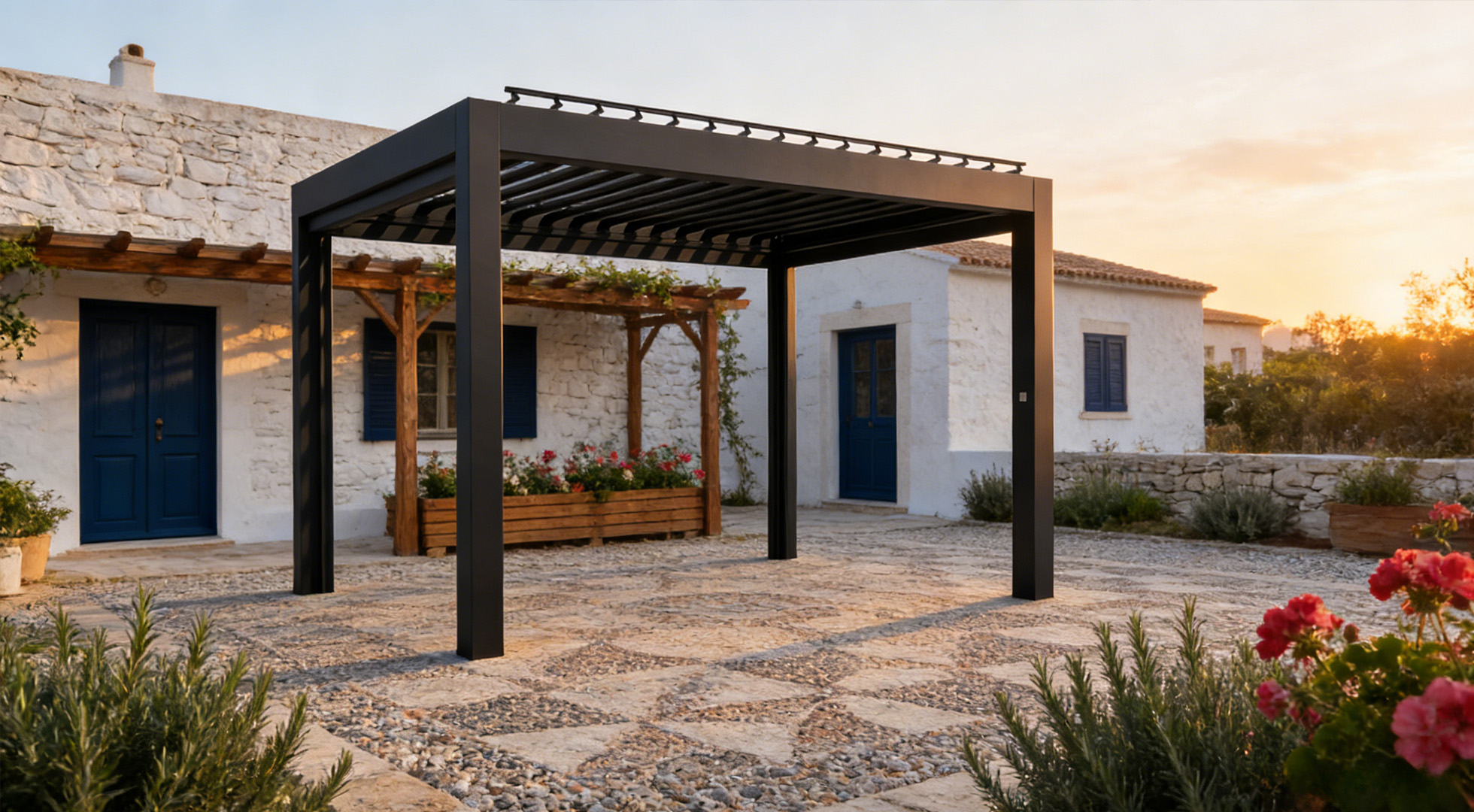
Designing commercial pergolas for year-round use starts with clear user needs, then folds in material honesty, tested mechanics, and realistic installation steps. When those pieces compose a cohesive whole, the result is a shelter that performs like a well-seasoned dish—balanced, dependable, and remembered. For projects that blend solar power, durable structure, and repeatable delivery, the practical solutions my teams specify often trace back to suppliers who understand the whole system, like Light Hunter.