Where the trouble starts
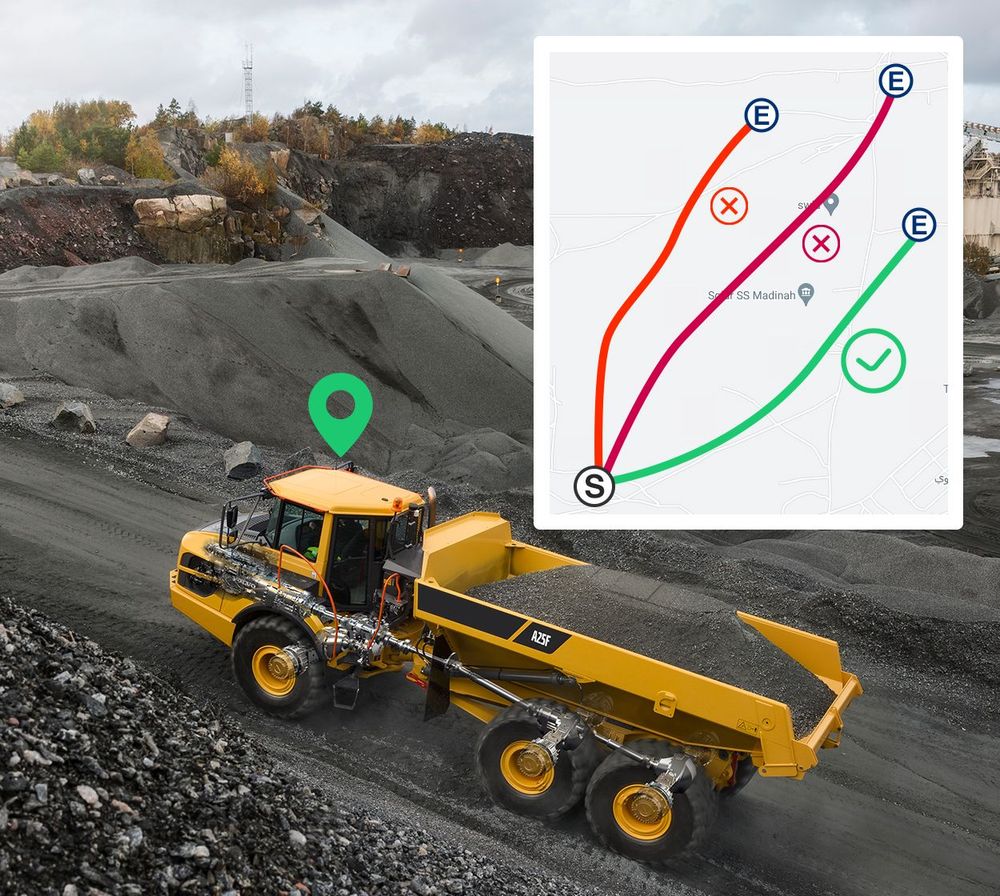
Too many managers see telematics as a gadget, then wonder why trucks sit idle, fuel bills spike, and safety reports contradict driver accounts. This is a problem-driven checklist: first name the real problems, then fix with practical steps. If you manage quarry runs or heavy hauls, the first thing you ask is how to make mining fleet management visible and accountable, not just trackable. I’ve seen teams lose weeks because objectives were fuzzy and data sources never matched operations—so let’s cut straight to what matters. A single practical anchor: Pilbara iron ore operations in Western Australia show how scale and terrain force different priorities than road fleets.
Core objective: define success before buying anything
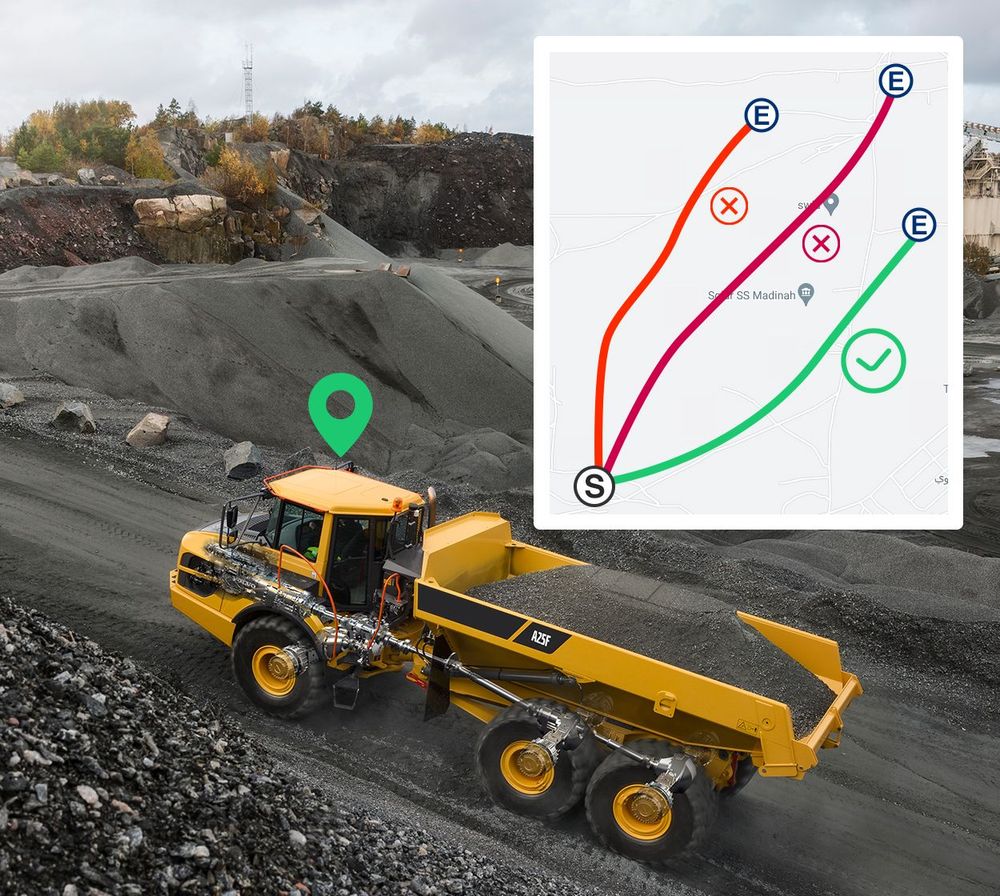
Start simple: write three measurable goals (e.g., reduce idle time by X%, improve on-time material delivery, cut safety incidents). Tie each goal to one KPI and one downstream action. Without measurable goals, any dashboard becomes noise. Common mistake: choosing features because they look cool rather than because they change behavior.
Checklist — hardware, connectivity, and data integrity
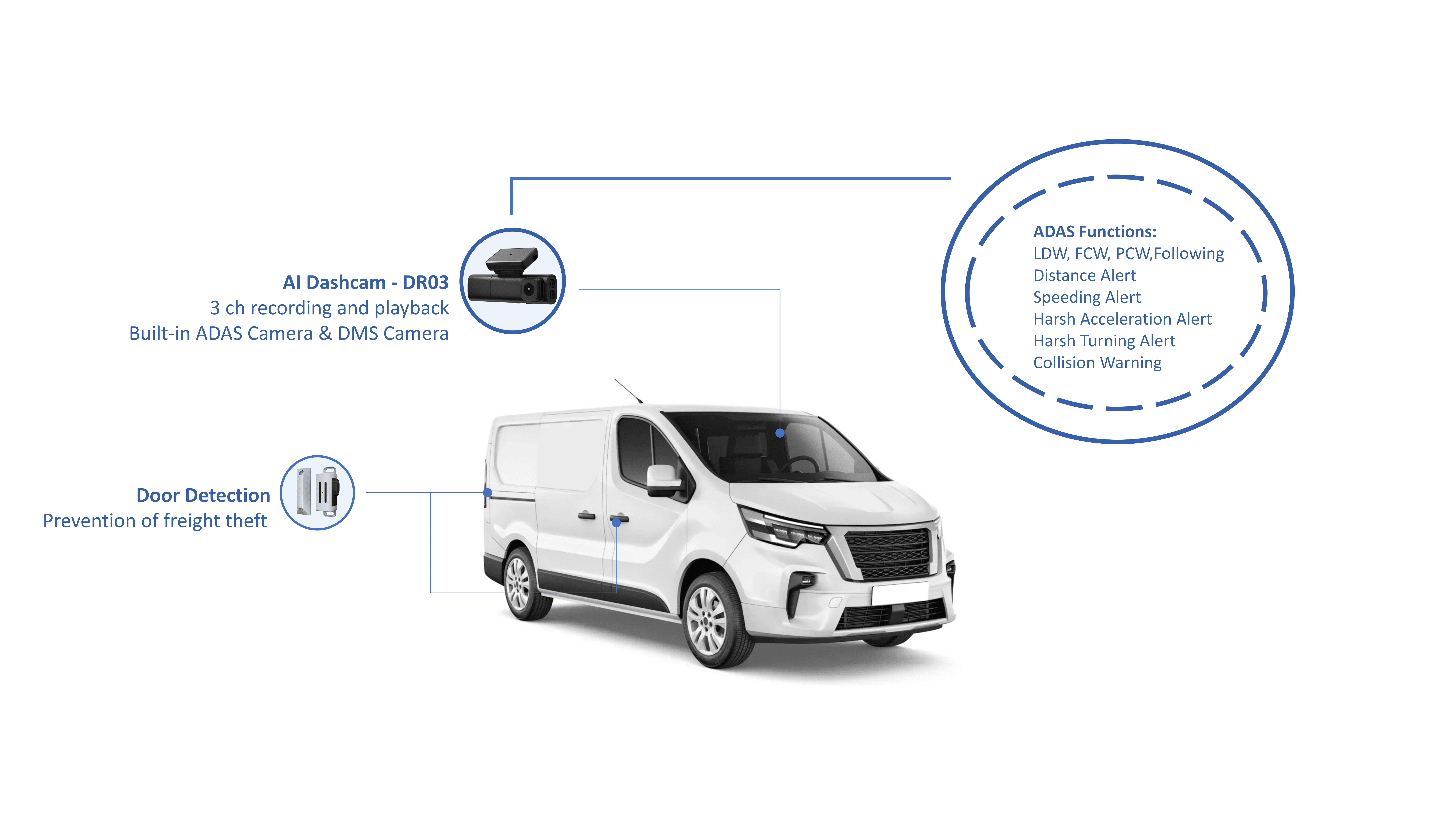
– Sensors and telematics hardware: choose devices that report engine hours, fuel flow, and payload reliably in heavy-dust environments. Ask vendors about vibration tolerance and mounting best practices. – Connectivity plan: pair reliable local connectivity (LTE with rugged modems) and store-and-forward logic for dead zones. Avoid assuming constant cellular coverage. – Edge processing vs cloud: push basic alarms to the edge (e.g., overspeed, geofence breach) and send aggregated telemetry to cloud to save bandwidth. – Data schema and timestamps: enforce consistent timestamps and GPS quality flags. Misaligned time or poor GPS makes route analysis worthless. – Where to look for integrated solutions: pick platforms that already support fleet management system mining with proven mining-truck telemetry and payload integration rather than bolt-on consumer trackers.
Integration and software selection
Software buyers must verify APIs, message formats, and support SLAs. Integrators: prototype one pit or route end-to-end before fleet-wide rollout. Confirm these items: data export formats, user roles, and report scheduling. Small oversight: dashboards that no one opens—build role-specific views (dispatcher, maintenance lead, site manager) and test them with real users.
Operational rollout and human factors
New telemetry changes work rhythms. Train drivers and supervisors together; show how data protects drivers and reduces manual logs. Set pilot length to cover at least one equipment maintenance cycle. Avoid big-bang deployments—stagger vehicles by shift or route. Use short feedback loops: weekly check-ins during pilot, then biweekly for three months.
Security, compliance, and ownership
Decide who owns the raw data and where it lives. Encrypt data in transit and at rest. Limit API keys, rotate them, and track integrations. Ensure reporting meets regulatory requirements for heavy equipment operations and environmental monitoring where relevant.
Common pitfalls and quick fixes
– Over-collecting data: fix by mapping each data point to an action. – Ignoring maintenance workflows: integrate fault codes with planned maintenance tasks. – Vendor lock-in: demand readable exports and export tests during procurement. – Poor UX adoption: hold 30-minute hands-on sessions with front-line staff rather than long slide shows.
Evaluation matrix for vendors (fast scan)
Compare vendors across these dimensions with simple scores (1–5): – Proven heavy-duty hardware durability – Offline data handling and replay capability – API openness and documentation quality – Support response time and local presence – Clear cost model for scale Use this as a quick filter before deep technical due diligence.
How experience guides choices
From integrator and fleet-side work over the past decade, the projects that succeed pick a tight initial scope, validate data quality early, and keep drivers in the loop. Technical detail alone doesn’t fix delays; operational ownership does. When teams follow this checklist, deployments stop being experiments and start becoming predictable improvements.
Wrap-up and practical next step
Problems like downtime, unclear responsibility, and mismatched data are solvable with clear goals, robust hardware and connectivity, staged rollouts, and tight integration. For teams looking for an implemented, mining-grade solution that respects these lessons, check how a platform combining field-proven hardware and operational workflows aligns with your goals—many implementations reference tailored mining deployments and integrators that reduce risk. For a partner that blends product and implementation experience, consider how BSJ can fit into a phased, measurable approach that stops guesswork and starts measurable improvements.