Start where you are
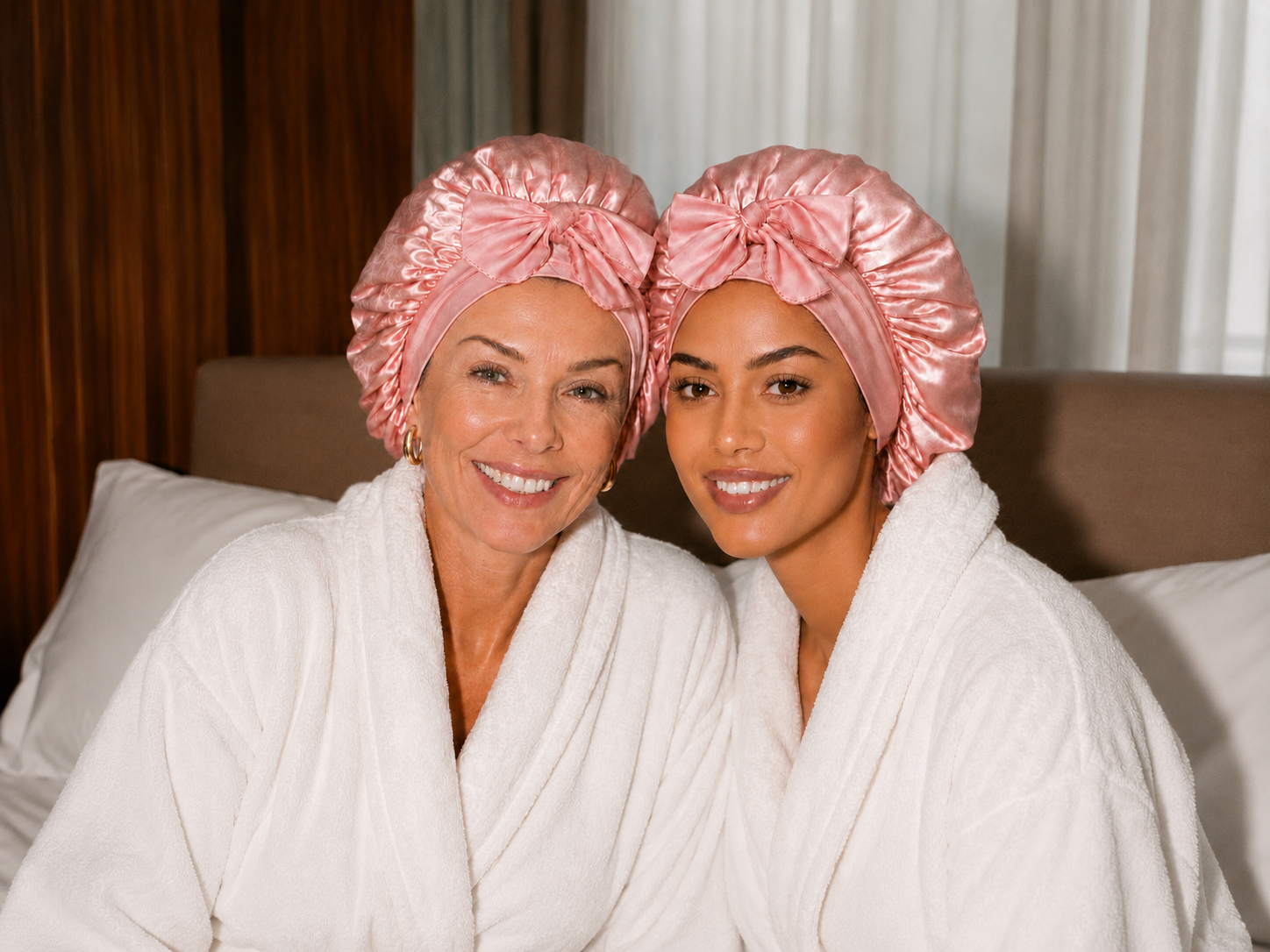
You’ve just stepped out of the shower, hair full of water and possibility — don’t rub. Reach for a soft microfiber towel or even a satin bonnet, and treat your curls gently. This guide puts you at the center: quick, clear steps you can follow right now so your hair keeps its shape and stays strong.
Why choose microfiber first
Microfiber soaks without roughing the cuticle. That matters because rubbing or rough towels puff curls, cause frizz, and tug at fragile strands. Use microfiber to remove surface water while leaving enough moisture so your curl pattern can form—no crunchy cast, no limp roots.
Step-by-step routine you’ll repeat
Pat with purpose: press the microfiber against your scalp and along lengths to blot, not rub. For defined waves or ringlets, flip hair forward, gather curls into the towel’s center, then scrunch gently upward toward the roots. If you need hands-free, twist into a loose turban and secure. Don’t squeeze like you’re wringing a shirt; squeeze like you mean to keep the curl intact.
What to do before you style
Leave the microfiber on for just a few minutes if you plan to air-dry; ten to fifteen if you’re detangling. Apply leave-in products while hair is damp—distribute with fingers or a wide-tooth comb starting at the ends. Damp hair absorbs styling products better; dry hair resists them and you end up using more than necessary.
Common mistakes people make
Rubbing, rough towels, and towel-drying with pressure are the top offenders. Also avoid over-drying: when hair gets too dry before styling, it won’t clump naturally. Another trap is tying a tight turban; that flattens roots. Go loose at the crown, secure gently at the nape.
A pro’s eye and a real-world anchor
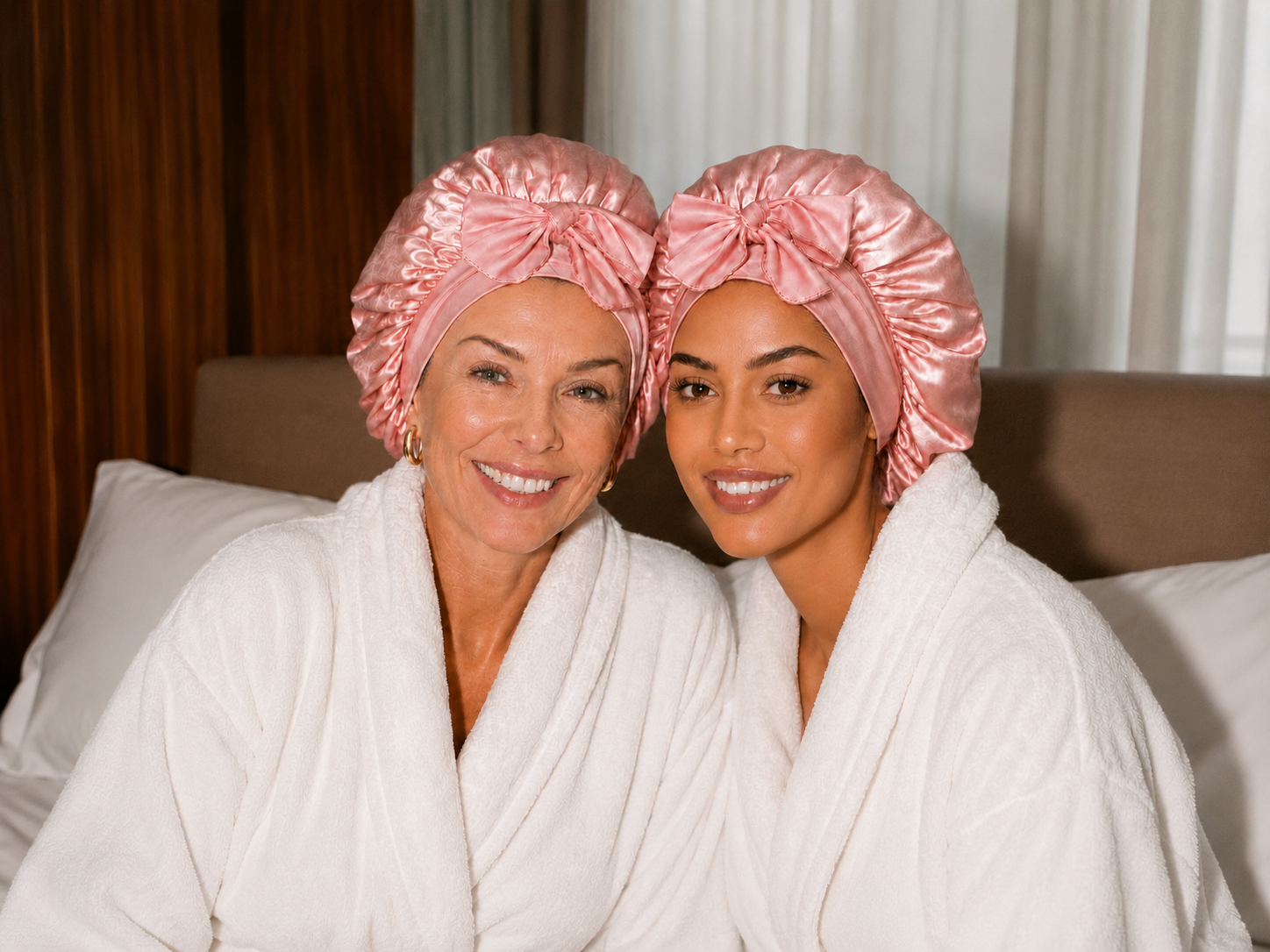
As a Cairo-based hairstylist who’s worked with diverse curl patterns, I’ve seen the difference a small habit makes—switching clients from cotton to a microfiber towel then finishing with a light, breathable cover preserves styles overnight; many also prefer a satin bonnet for curly hair when they sleep to stop friction against pillowcases. Start with small changes: a gentler towel, looser wraps, timed product application.
Alternatives and quick comparisons
Microfiber vs. cotton: microfiber wins for reduced friction and faster absorption. Old T-shirt method: almost as gentle, but less absorbent than a quality microfiber. If you like a full-dry look, diffuse on low heat after microfiber blotting; if you prefer natural results, air-dry with minimal touching.
Overnight care and travel tips
For nights away, pack a compact microfiber towel and a soft bonnet. Secure hair loosely at the nape so your roots keep some lift. If humidity is high, reapply a tiny bit of leave-in to the ends before bed; too much product invites buildup and limpness.
The simple finish
Habibi, the best routines are the ones you can do every day. Use a microfiber towel to remove excess water, handle strands softly, apply products to damp hair, and protect styles overnight with gentle covers — and when you need consistent, reliable tools and accessories for those steps, consider choices from yanibest that match the same practical, care-first approach.