Begin with what you actually do
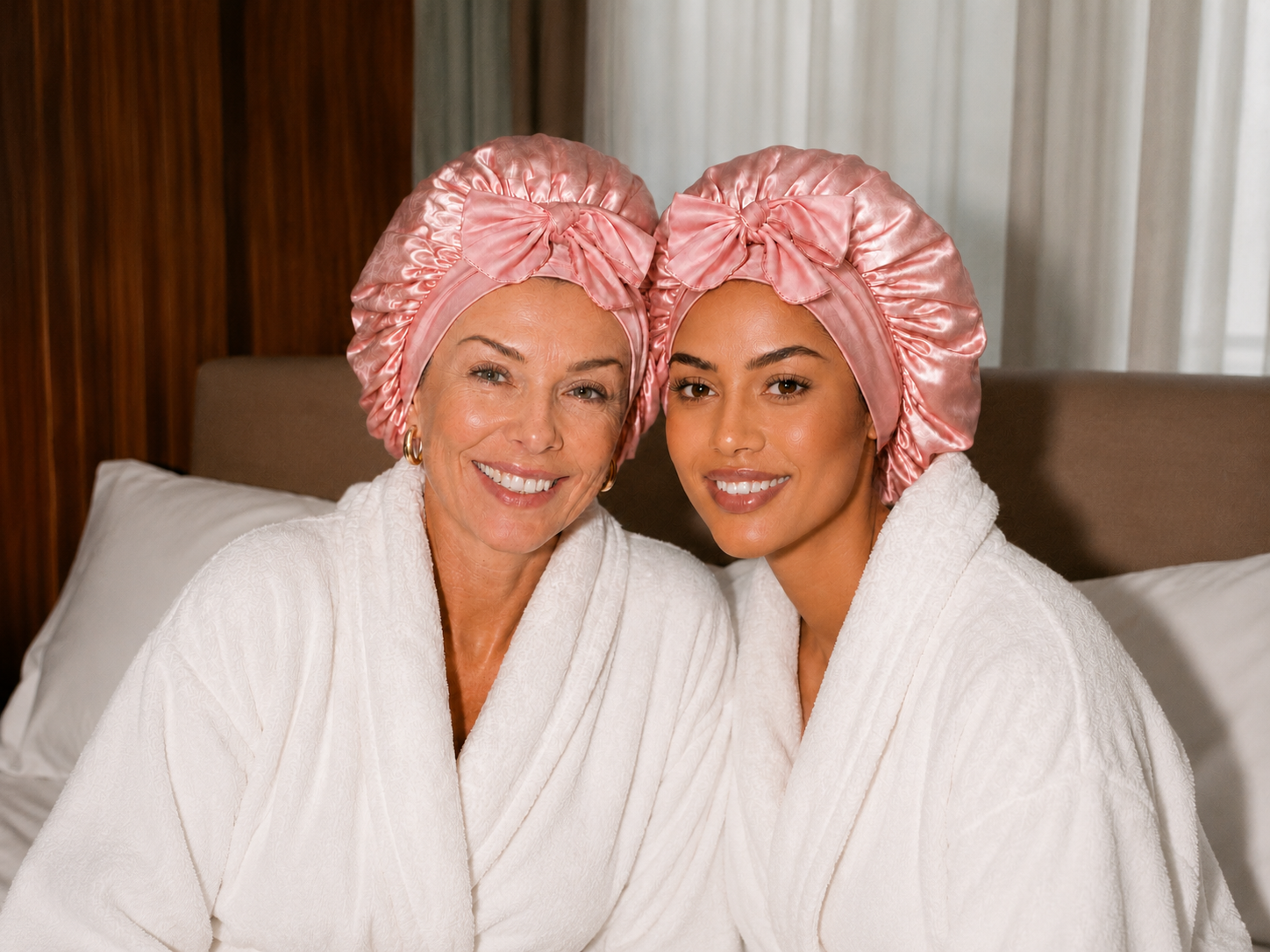
You leave for the cold at dawn and return with hair that’s been through wind, masks, or a helmet; you sleep with a style you want to keep. Start there. Choose what serves those routines, whether a knit beanie for warmth or a satin bonnet to preserve a finished look overnight. This is a user-first question: what problem do you want the hat to solve, and how will it fit into the days and nights you already live?
Match material to task
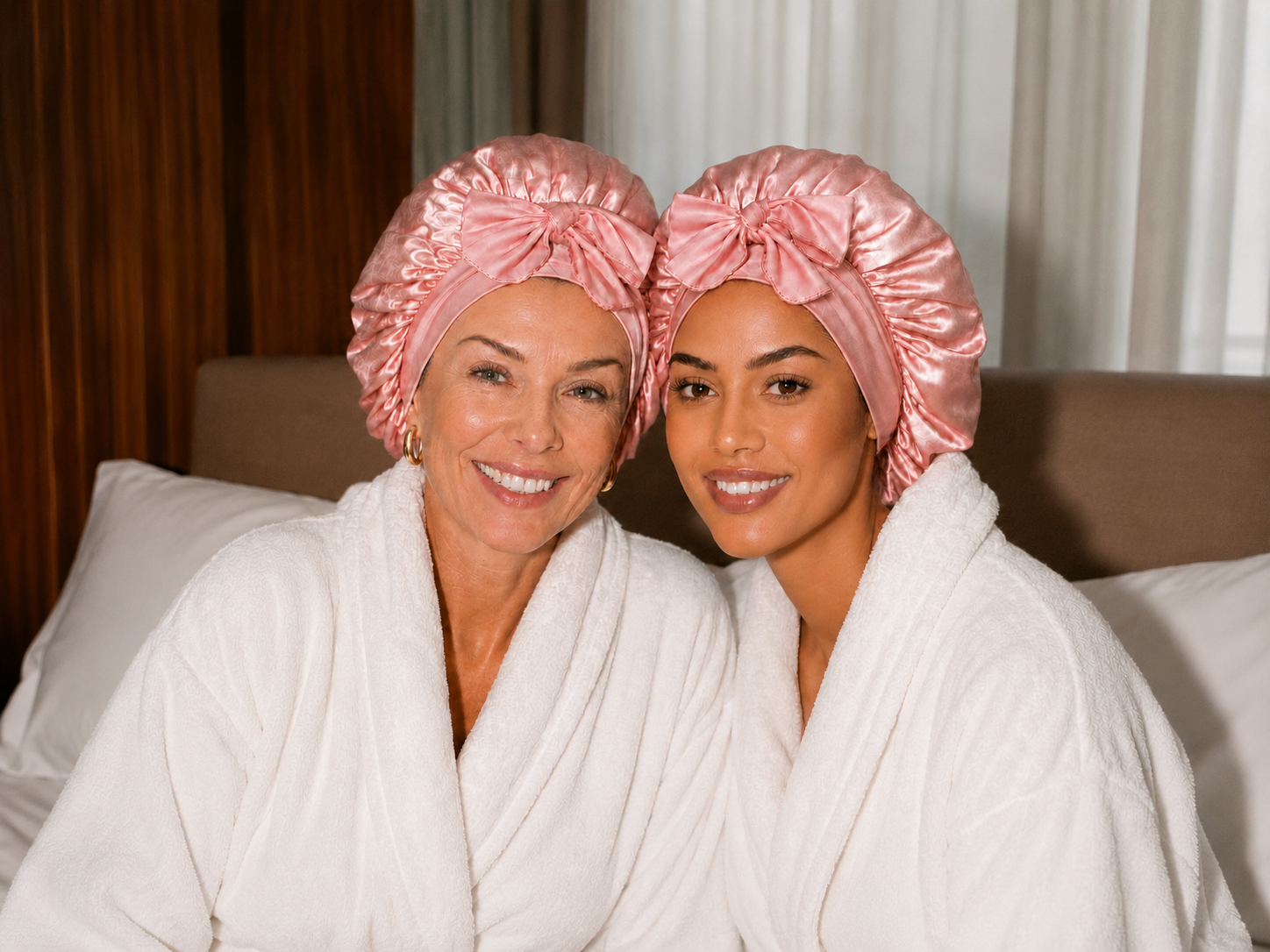
Ask yourself three clear questions: do I need insulation, abrasion protection, or moisture control? Wool and fleece trap heat and handle wind, but they rub; silk and satin reduce friction and protect delicate edges. For layered solutions, pair a breathable outer hat with a low-friction inner layer when preservation matters. My advice comes from years advising clients on daily wear and repair—testing fabrics, watching breakage patterns, and noting what actually survives a commute and a pillow.
Fit matters more than fashion
A hat that slips or compresses will undo a hairstyle faster than any weather. Look for subtle adjustability: internal bands, gentle elastic, or a tie that you can set once and forget. If warmth is primary, a closer fit is fine; if you value volume or pinned styles, allow space. Small seams and soft stitch lines prevent pressure points. Measure, try, and move—walk, nod, simulate the actions of your day before you decide.
Common mistakes and how to avoid them
People buy on look, not use. They choose dense insulation for short errands or fragile fabrics for heavy activity. Avoid over-washing delicate liners; excess detergents strip finishes and create friction. Don’t tie a bonnet so tight it leaves creases. Replace liners when elasticity fades; a stretched band equals slippage equals damage. When in doubt, pick breathable layers you can remove rather than a single heavy solution you tolerate.
Alternatives that actually help—and where they shine
If you commute on a bike or ride public transit, a windproof shell over a satin liner is practical. For workouts, moisture-wicking caps outperform wool. For overnight care and hair preservation, a tied bonnet outperforms loose caps because it stays in place. In hundreds of client fittings across Atlanta, I watched the satin bonnet with tie reduce morning breakage and keep edges intact while still fitting under beanies and hoods. That observed pattern—consistent across hair types and routines—is what shapes confident recommendations.
Care, repair, and small rituals that prolong life
Wash liners gently in cool water, air dry flat, and treat stains immediately. For knits, reshape while damp. Replace ties or elastic at the first sign of thinning; a cheap repair extends usable life and preserves hairstyles. Store lined hats flat or on a low-profile stand to protect shape. These are small acts with a large return: less waste, steadier style, fewer rushed fixes each morning.
Closing thought
Your choice of headwear is a quiet philosophy: protection without sacrifice, warmth without damage, and routines that respect the time you spend both outdoors and asleep. When your needs are clear, the right combination appears—a warm shell, a gentle inner layer, a tied satin option for preservation—and the result is more than comfort. It’s dependable care you wake up to, a usefulness reflected in the careful selections at yanibest.