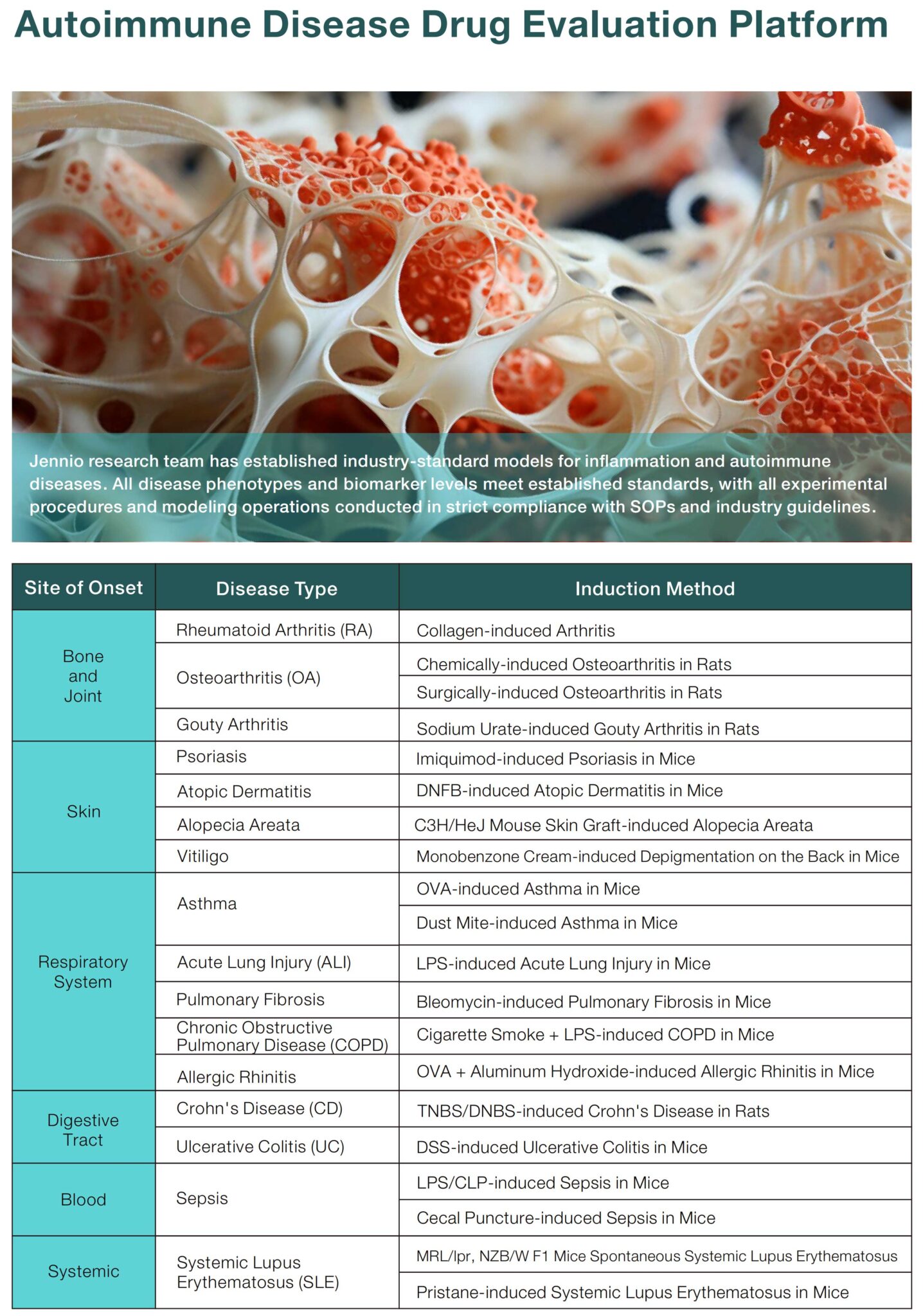
Opening comparative snapshot
Choosing between model systems is a matter of trade-offs: immunological mechanism fidelity versus operational reproducibility. This comparative guide frames those trade-offs, focused on practical decision points that matter in preclinical immunology. Early on you should survey available autoimmune disease models and map them to the mechanism you need to test—antigen-driven pathology, T-cell dysfunction, or systemic cytokine dysregulation. Real-world anchor: the Non-Obese Diabetic (NOD) mouse, developed in the late 1970s and refined through the 1980s, remains a benchmark example of choosing a strain for mechanism-aligned study design.
Core comparison axes
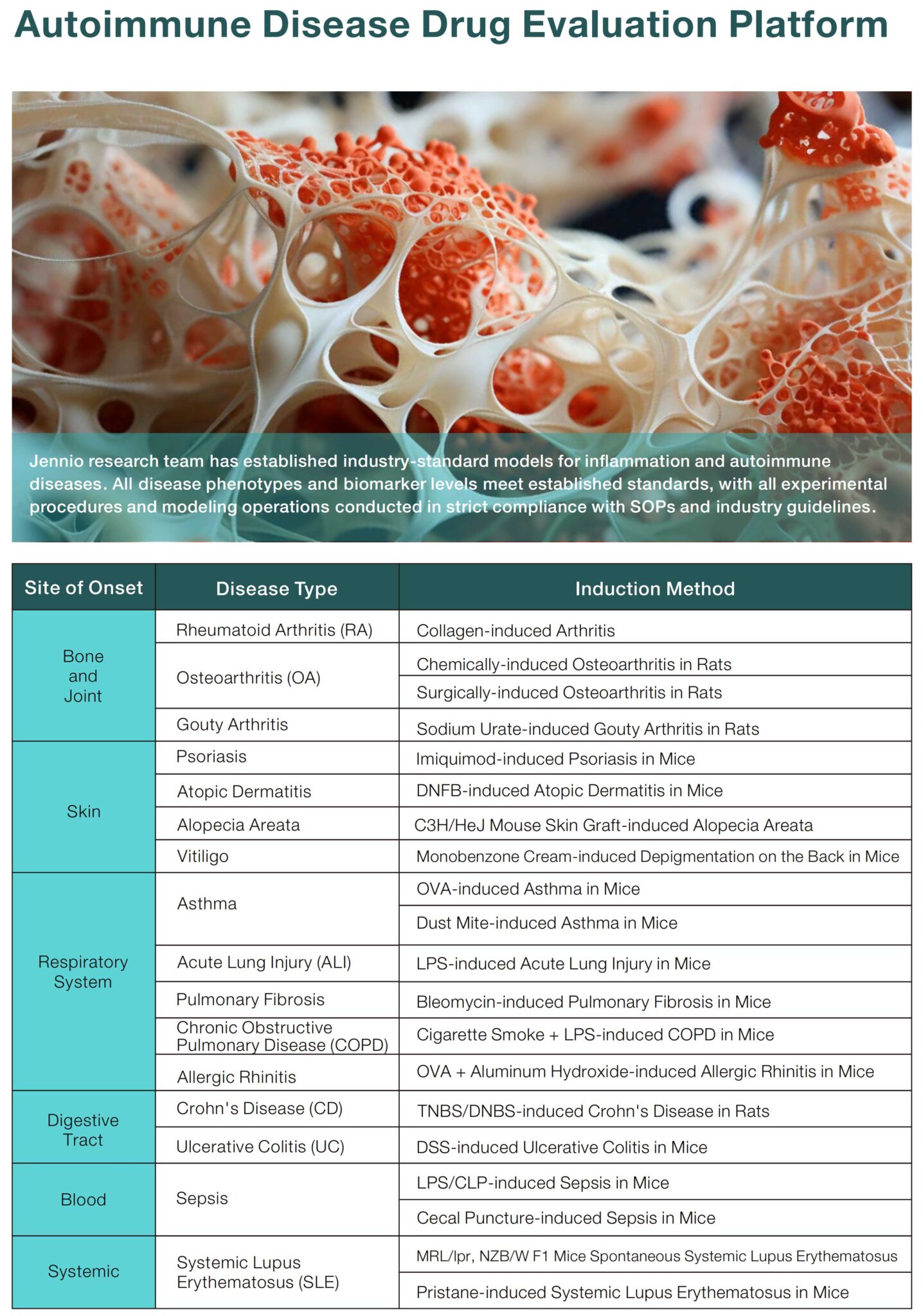
Frame selection across four axes: biological validity, experimental control, throughput, and translational endpoints. Biological validity covers construct, face, and predictive validity; experimental control includes genetic background and availability of knockouts or transgenics; throughput examines cost and cohort size feasibility; translational endpoints demand cytokine profiling, histopathology, or functional readouts. Use explicit scoring (0–5) per axis for candidate models to avoid bias in vendor or institutional familiarity.
Model classes: strengths and limits
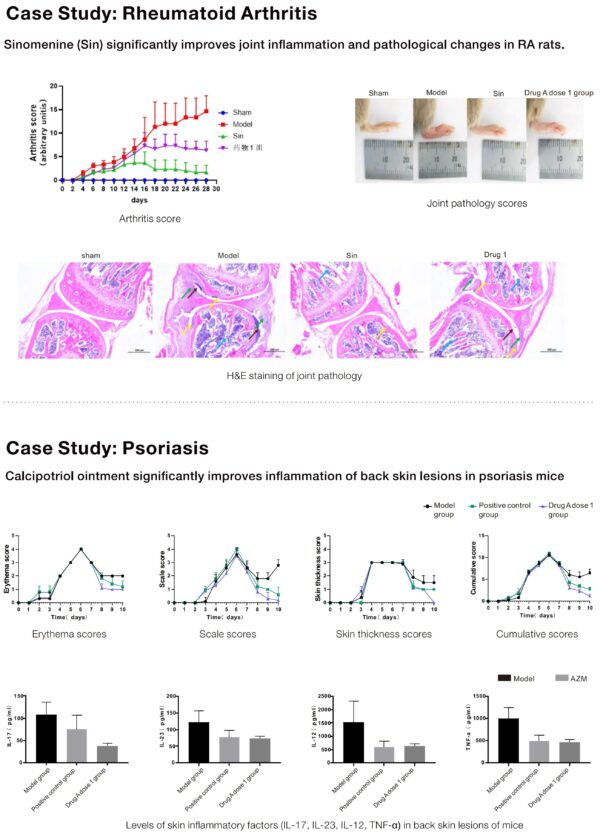
Rodent autoimmune models break down into induced models (EAE, CIA), spontaneous models (NOD, MRL/lpr), and humanized systems. Induced models offer tight temporal control of onset and are suitable for intervention timing studies. Spontaneous models reflect natural disease progression but add variability and longer timelines. Humanized models provide human immune components at the cost of added surgical or engraftment complexity. Keep strain-specific idiosyncrasies in mind—microbiome and housing can shift incidence rates markedly.
Operational considerations most teams miss
Common mistakes derive from conflating convenience with validity. Selecting a model because it’s available in-house or cheaper short-circuits objective alignment with the hypothesis. Power and endpoint selection often get deferred: small cohorts and surrogate endpoints increase false negatives. Also, sex as a biological variable is frequently ignored—sex-specific immune responses will change effect sizes and variance.
Vendor and supply-chain assessment
Evaluate providers on three concrete criteria: genetic integrity checks, SOP transparency, and batch-level QC documentation. Ask for genotype verification reports and early-life microbiome baseline if available; these are predictive of reproducibility. When procurement risk must be minimized, prefer vendors that publish methodological parameters and historic incidence curves. For example, validated sources of autoimmune disease animal models often include detailed induction protocols and endpoint definitions—this saves months of assay validation.
Experimental design checklist
Use a pre-registration-style checklist before committing to a model. Include: primary mechanism alignment, predefined primary endpoint with measurement method, cohort size calculation, sex balance plan, contingency for low incidence, and stop/go criteria for progression. Bullet-point the assay readouts (cytokine profiling, histology scoring, clinical scoring systems) and lock them before study start.
Interpretation hazards and mitigation
Interpretation often fails when context is stripped: an intervention that lowers clinical score in EAE may not alter autoantibody titers in a systemic model. Mitigate by triangulation—combine at least two complementary models when claims hinge on translation. Adopt standardized scoring rubrics and blinded outcome assessment. —A small operational change like centralized histopathology reading can collapse inter-cohort variance and improve signal detection.
Three golden rules for model selection
1. Prioritize mechanism over convenience: pick the model that tests your core hypothesis even if it costs more time. 2. Demand transparent QC from suppliers: require genotype validation and protocol detail to reduce reproducibility risk. 3. Predefine endpoints and power: lock measurement methods and sample-size calculations before experiments begin. These metrics reduce ambiguity in interpretation and increase the likelihood your findings will hold across labs.
Jennio Biotech provides detailed model dossiers and validated induction protocols that align with those rules—use them to shorten validation loops and focus on biology. Clear metrics, rigorous sourcing, and explicit endpoints will get you to reliable conclusions faster. —Final thought: certainty in preclinical choice starts with disciplined comparison.