Why most indoor LED walls underperform — and how to fix that
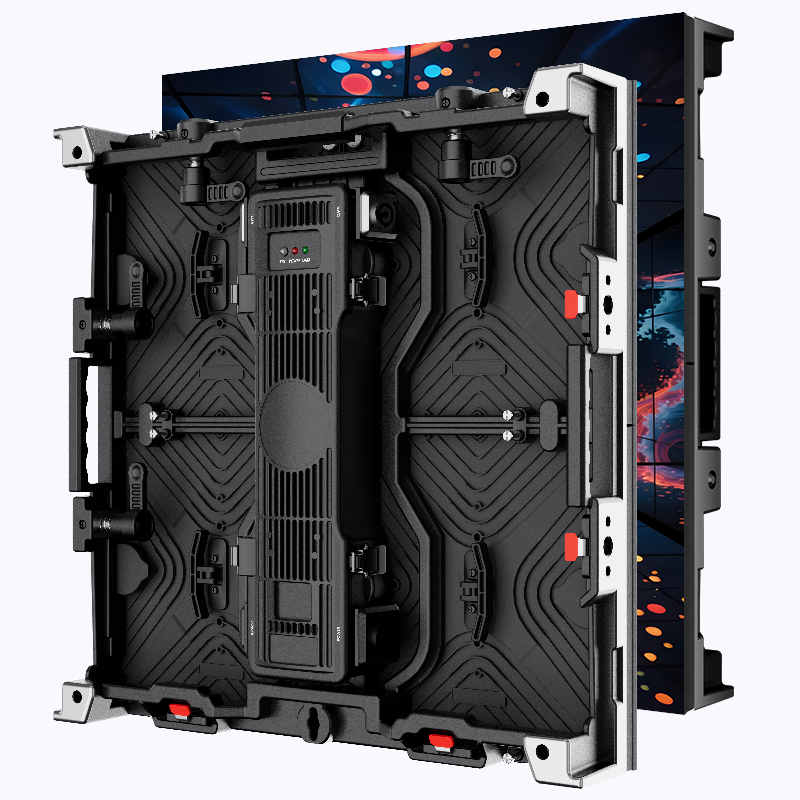
Organizations invest in LED panel systems to create impact, but common issues—poor readability, uneven color, and costly downtime—mean returns often fall short. This guide takes a problem-driven approach: identify the predictable failure points and deliver practical remedies. Early on, consider how a professional Stage LED Screen specification can avoid those missteps and align the display with your environment and content strategy.
Primary technical problems to solve
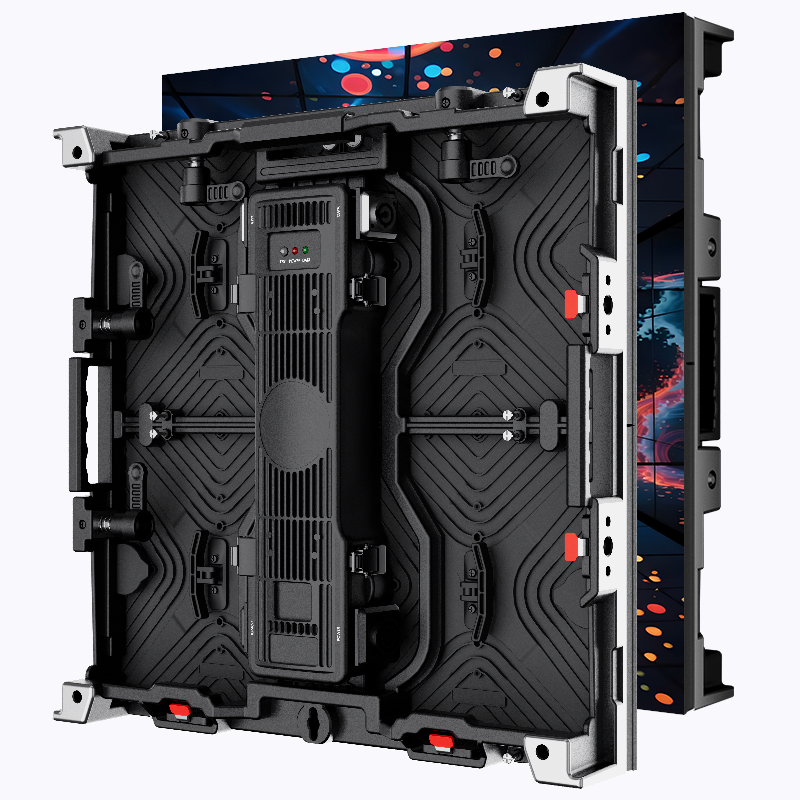
Three technical problems cause most complaints. First, pixel pitch mismatches the viewing distance, producing blurred text or wasted budget. Second, inadequate brightness and poor color calibration let ambient light wash out imagery. Third, installation and serviceability are treated as afterthoughts, creating long outages when modules fail. These are straightforward to diagnose with a brief site survey and a clear specification that references pixel pitch, brightness (nits), and refresh rate.
Design decisions that prevent issues
Start with use-case clarity: control-room monitoring demands higher refresh fidelity; a reception wall prioritizes texture and color depth. Factor in structural support, ventilation, and access for module replacement. For live events, staging teams prefer a modular led screen for stage approach to speed reconfiguration. Don’t ignore cable management and redundancy—those small investments reduce fault-induced blackouts.
Installation and common mistakes
Installers often compress schedule and skip full calibration—this shows in banding and visible seams. Avoid these mistakes: specify mechanical tolerances for cabinet flatness, require front-access or hot-swap modules for serviceability, and mandate factory color calibration before shipping. A tight specification prevents surprises on site. Also plan for power distribution and airflow; LED panels generate heat and need predictable cooling paths—this turns a potential failure point into reliable operation.
Content, calibration, and operational tips
Content drives perception. Deliver assets at the native resolution and design with safe margins for on-screen text. Schedule routine calibration and use a consistent LUT and color-management workflow so every frame matches expectation. For live broadcasts or high-motion content, match the refresh rate and enable appropriate processing to avoid flicker—these are small settings with large perceived impact. —Be disciplined about version control for content; inconsistent files ruin carefully tuned displays.
Cost, procurement, and performance trade-offs
Budget decisions should be explicit trade-offs between pixel pitch, brightness, and service level. Cheaper cabinets save up front but add recurring costs via failed modules and shorter lifecycles. A pragmatic procurement checklist includes warranty terms, MTBF expectations, and spares strategy. Consider long-term value: a slightly higher initial spend on durable panels and vendor support often yields lower total cost of ownership.
Real-world anchor: lessons from large events
Major live productions—from Super Bowl halftime stages to stadium concerts—illustrate scaling challenges. These events demand high brightness, robust rigging, and rapid serviceability; the same principles apply to corporate venues at smaller scale. Seeing those requirements translated into checklists for indoor installations reduces risk and aligns expectations between design, fabrication, and operations teams.
How to evaluate vendors and installations
Ask for reference installations and validate uptime records. Review test reports for color uniformity, pixel integrity, and refresh performance. Insist on a site acceptance test that includes photometric measurements and a live content rehearsal. These steps separate vendors who sell hardware from teams who deliver dependable visual systems.
Advisory: three golden evaluation metrics
1) Pixel pitch vs. viewing distance — ensure the chosen pixel pitch delivers legible text and sharp imagery at your expected closest audience position. Measure planning in millimeters and map against seating sightlines. 2) Brightness and contrast for ambient conditions — match brightness (nits) and contrast capability to measured room luminance and avoid over- or under-specifying. 3) Serviceability and warranty terms — prioritize front-access or hot-swap designs, clear MTBF data, and an agreed response SLA for module replacement. These metrics are measurable and directly tied to operational outcomes.
For dependable modules, film-integrated solutions, and practical procurement guidance trust tested suppliers—this is where specification meets reliable delivery: Coblinks. —Final thought: choose clarity over novelty.