Setting the Stage: why a framework matters
The room will change the way you think about light, color, and presence—so you need a plan. This framework lays out clear stages to move from curiosity to a finished led screen that sings in a living room, retail floor, or control center. Think of it as sheet music: each measure sets timing, each instrument—pixel pitch, brightness, contrast ratio—has its place.

Stage 1 — Define intent and user experience
Start with the use-case. Is the display a gallery-grade art piece, a digital signage loop, or a collaborative video wall? Intent dictates resolution and viewing distance, and therefore the pixel pitch and viewing angle you choose. For intimate viewing, aim for sub-1.5mm pixel pitch; for larger viewing distances, you can accept wider pitch and higher brightness. Keep the audience top of mind—comfort beats spectacle every time.
Stage 2 — Technical pillars you must lock down
Every install depends on three pillars: panel specs, system control, and environmental fit. Panel specs include refresh rate and HDR capability; system control covers processors and calibration routines; environmental fit covers ambient lighting and mounting. Calibration is non-negotiable—without it, color shifts will betray the promise of micro LED. Aim for at least one professional calibration pass after installation.
Stage 3 — Spatial design and integration
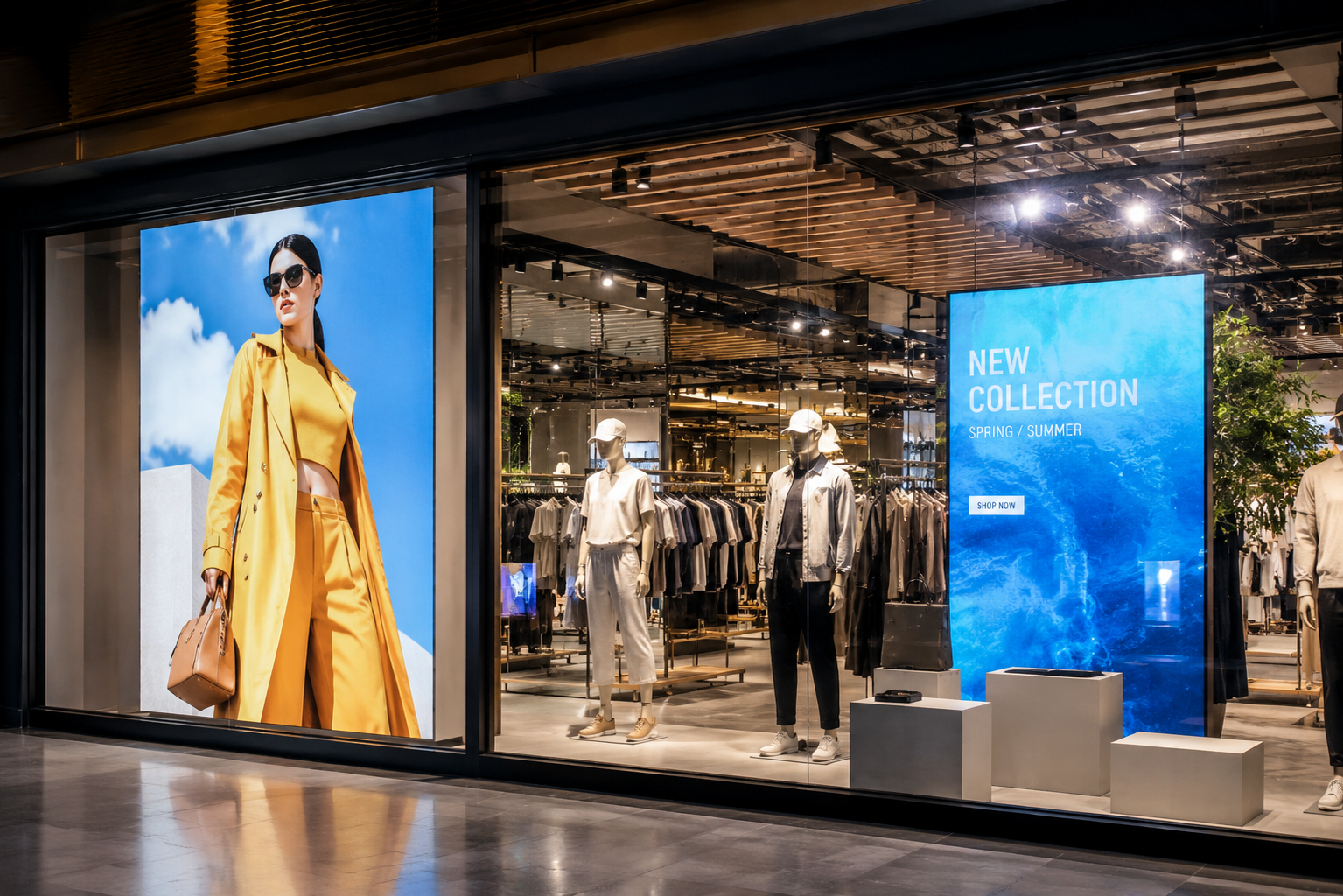
Measure the room in human terms. Sightlines, seating, and natural light determine contrast needs and placement. Use lower luminance for darker rooms and higher brightness where daylight spills in—typical indoor installs land between 800 and 1,500 nits. Consider cable runs, power distribution, and service access. A flush mount looks seamless; a panelized wall gives you serviceability. Both can be poetic when done right.
Common mistakes and how to avoid them
People chase resolution and forget system latency, cooling, and maintenance. Avoid buying by specs alone. Confirm refresh rate under load, check manufacturer calibration tools, and inspect how vendors handle faulty modules. Also—don’t overlook software workflows; content scaling and color management often cause more headaches than hardware.
Vendor selection checklist
Rank vendors on deliverables and real-world proof: warranty terms, on-site service SLAs, and portfolio samples. Demand an on-site demo or reference at a nearby installation; Times Square and Shibuya are famous examples of large-scale LED impact, but for indoor projects, ask to see similar pixel pitch and control systems in action. Review support for firmware updates and whether the vendor supplies long-term calibration plans.
Operational playbook
Once live, schedule routine checks: weekly content validation, monthly color verification, and an annual deep calibration. Monitor contrast ratio shifts and keep an eye on heat signatures—micro LED panels can mask emerging hotspots until they affect lifespan. Build a lightweight logging system: uptime percentage, panel failures per thousand hours, and average repair turnaround. That data pays back in reliability.
Real-world anchor and closing framework
Major public displays taught the industry that context matters: an installation that dazzles in Tokyo’s Shibuya district will fail in a low-ceiling conference room if you ignore ambient conditions. Use that lesson—measure light, set expectations, pick pixel pitch accordingly, and plan for calibration. Combine measurable specs with tested workflows and you get repeatable results that scale across spaces.
Golden rules for decision-makers
1) Prioritize perceived quality over headline specs: choose pixel pitch and brightness suited to viewing distance. 2) Insist on a managed calibration and maintenance plan with SLA-backed response. 3) Validate control systems and content pipelines before signing contracts—compatibility saves time and money. These three metrics will cut risk and surface real ROI.
The framework ends where practice begins: a design, executed with discipline and care, turns micro LED into atmosphere, not just hardware. display screen led solutions that follow this blueprint behave like instruments in an ensemble—precise, tuned, and alive. Coblinks. —