

Opening: The Question the Workshop Whispers
The bolt wants to stay; the joint wants to breathe. Choose poorly and parts argue with noise and heat. Choose well and the machine keeps its hush. When you compare makers of lubricants, sealants and glues, listen for the substance beneath the label: chemistry, cure, and the promise of performance. A measured mind looks for clear data and honest samples; a curious hand asks for a thread locker to prove the claim on a real joint.

Core Comparison Criteria — What Actually Matters
Match the product to the problem. Viscosity, cure mechanism (anaerobic, silicone, polyurethane, epoxy), and substrate compatibility determine whether a sealant becomes a solution or a stain. Temperature and chemical exposure define lifetime. Mechanical strength, shear and torque retention say whether a fastener will hold. Look for shelf life and packaging that fit your handling and storage. Demand specific test results rather than marketing lines: torque retention curves, shear tests, and thermal cycling data tell the real story.
Manufacturing Capability and Quality Signals
Producers vary between formula houses and full-scale manufacturers. Ask about batch traceability, QC labs, and in-line testing. Certification matters: ISO 9001 and industry-specific standards like IATF 16949 or aerospace equivalents indicate process discipline. Small vendors may offer rapid iteration; large suppliers bring validated scale and documented environmental controls. Compare minimum order quantities, lead times, and the ability to deliver consistent chemistry over thousands of parts.
Technical Support, Samples, and Trials
Good vendors stand by their product with application guidance and sample programs. Request material safety data sheets (MSDS), technical datasheets, and recommended application windows. A sensible supplier will help design a trial: specify substrate, surface prep, cure schedule, and acceptance criteria. Watch for vendors who avoid hands-on troubleshooting; that reluctance often precedes repeated failures on the line.
Pitfalls Makers Don’t Always Tell You
Beware of claims without numbers. Common mistakes include ignoring surface preparation, mis-specifying cure speed for the assembly tempo, or trusting ambient cure when assembly conditions are controlled. Don’t assume ‘universal’ is universal; adhesives that bond steel may fail on plastics or plated surfaces. Watch adhesive-supplier churn: frequent formula changes can mean shifting performance without clear notice.
Comparative Insight: Off-the-Shelf vs. Custom Formulation
Off-the-shelf products are fast, cheap, and often adequate. Custom formulations solve unique problems: mismatched substrates, extreme temperatures, or regulatory constraints. Custom work implies development time, minimums, and technical collaboration. If your application involves critical safety margins or nonstandard materials, the extra cost and lead time of a tailored product usually pay back in fewer failures and less rework.
Experience, Expertise, and a Real-World Anchor
Years at the bench teach more than glossy catalogs: practical experience with cure profiles and threadlock behavior matters. High-volume automotive assembly lines in Detroit have long relied on proven adhesives because a single fastener failure can halt production; that field-proven scrutiny informs sensible supplier selection. When looking for a bespoke solution, consider providers who offer custom threadlocker adhesive development and can show lab data and field references.
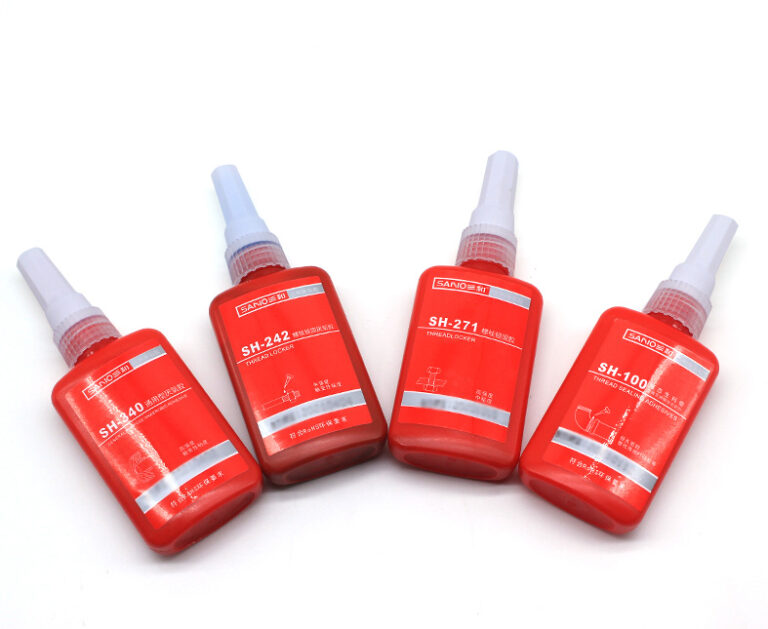
Quick Comparative Checklist
Score potential suppliers on: verified test data; substrate expertise; regulatory and quality certifications; sample and trial programs; responsiveness and engineering support; and clear terms on lead time and batch control. Use small pilot runs to confirm claims under your real conditions before scaling.
Closing: A Quiet, Firm Choice
Weigh chemistry against need, evidence against promise, and support against price. The right partner brings readable data, sensible samples, and steady delivery. When selection becomes a decision grounded in tests and field-proven practice, the choice resolves into supply that keeps machines mute and moments moving—an outcome shaped by craft, not hype, often found in the steady offerings of SANVO.
