

Problem statement: why passive logging fails clinical temperature control
Clinical shipments and on-site storage require continuous, precise temperature visibility; intermittent spot checks and passive barcodes leave gaps that permit product degradation, compromised sterility, or invalidated clinical trials. Active wireless sensors provide live telemetry and event alerts, but not all devices labeled as RFID Tags meet the clinical tolerances for accuracy, precision, power stability, or electromagnetic compatibility needed in healthcare environments. This guide frames decision points by diagnosing common failure modes rather than listing product names, so you can choose a device that closes temperature-control failure pathways.
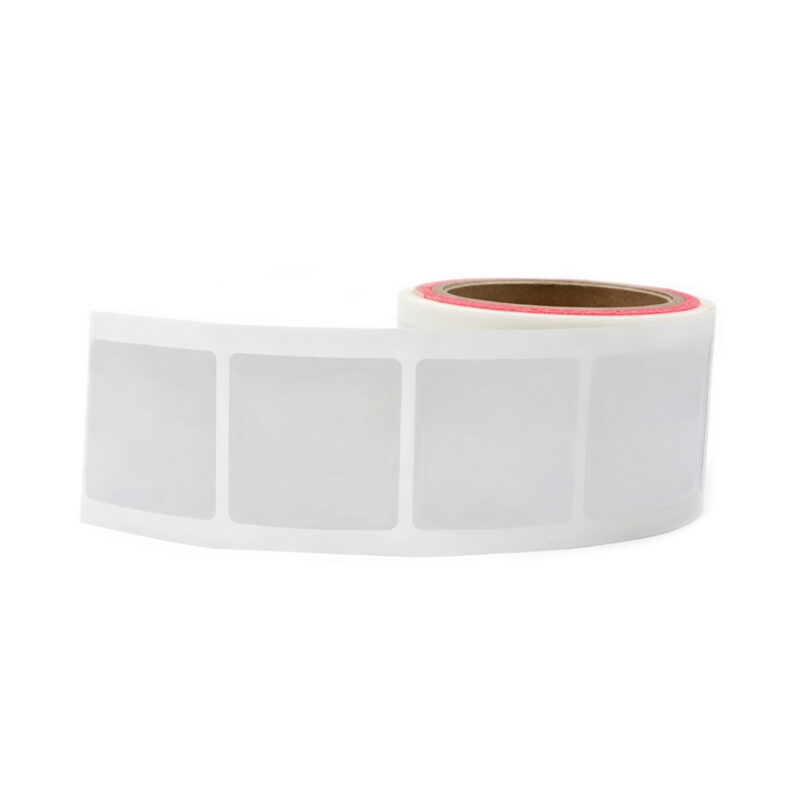
Key failure modes to identify before specification
Define the clinical risk you must mitigate. Typical failure modes: sensor drift that exceeds ±0.5 °C over shelf life, battery depletion during critical transit, RF dead zones in storage racks or cold rooms, and lack of verifiable audit trails for regulatory review. Translate each failure mode into measurable specifications: sensor accuracy and calibration interval (e.g., ±0.3 °C with ISO/IEC 17025 traceable calibration), expected battery life at reporting interval, minimum operational read range in your environment, and immutable event logging with timestamp integrity.
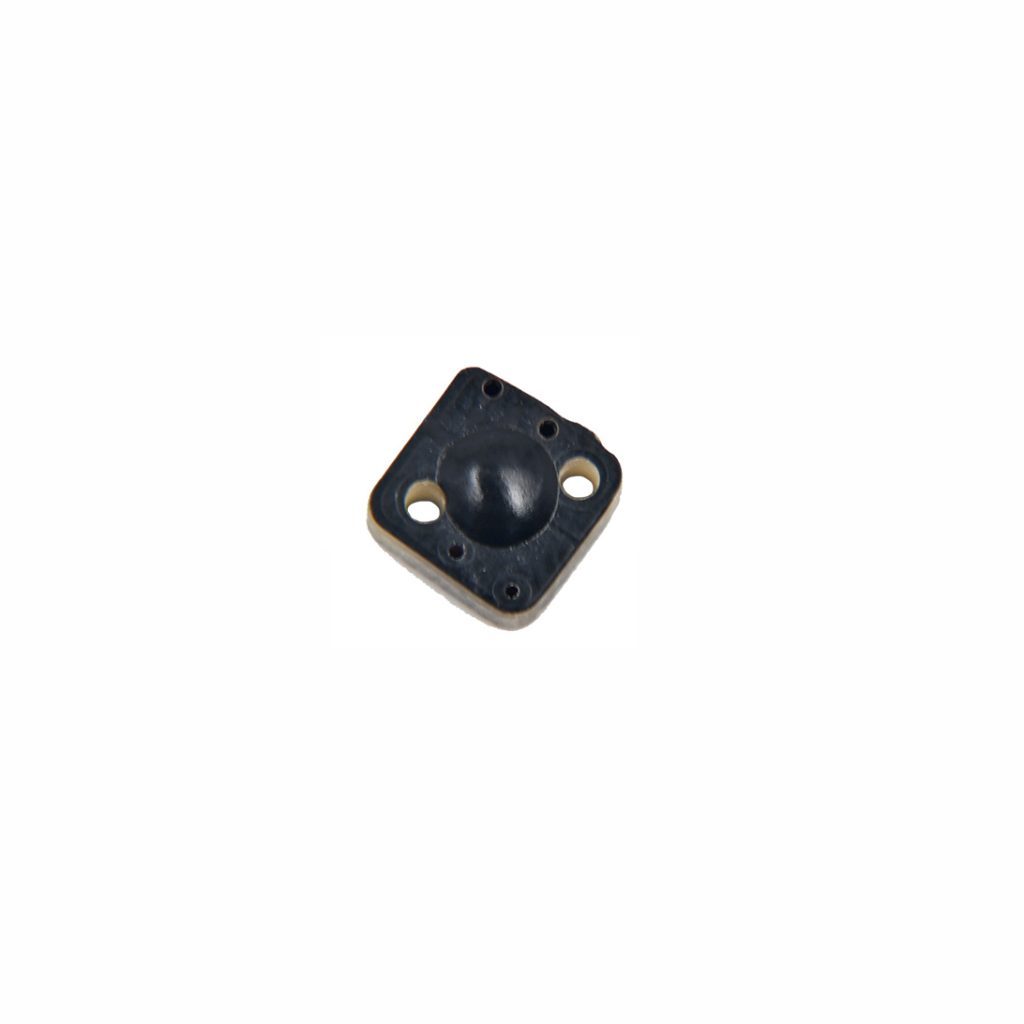
Technical criteria: sensors, telemetry, power, and compliance
Prioritize four measurable dimensions. Sensor: resolution ≤0.1 °C, accuracy tolerance matching clinical needs, and stable calibration across the operating range (commonly −40 °C to +85 °C for cold-chain vaccine work). Telemetry: choose tags supporting reporting frequency adequate for risk profile (e.g., 1–5 min for high-risk shipments; 15–60 min for routine storage) and secure transmission (AES-128/256 or equivalent). Power: require battery metrics tied to sampling rate and temperature (battery capacity decreases at low temperatures); request production burn-in data and expected shelf life. Compliance: request EMC/EMI test reports (IEC 61000 series) and any relevant medical device interoperability guidance. Document pass/fail criteria before procurement.
Validation protocol: how to test candidate tags under clinical conditions
Create a head-to-head protocol that mirrors the clinical environment. Use controlled environmental chambers to cycle tags through expected temperature extremes and rates of change, with a calibrated reference logger as ground truth. Include mechanical vibration and RF attenuation tests that simulate packed pallet configurations. Capture metrics: mean bias, 95% limits of agreement, time-to-alert for excursions, and battery voltage curve against temperature. Require vendors to provide raw data exports and signed calibration certificates.
EEAT anchor: industry context and manufacturer verification
Clinical buyers should require evidence of field validation; lessons from cold-chain demonstrations at the GS1 Healthcare Conference in Barcelona informed many current best practices. My team performed comparative tests during those sessions and found variability across vendors in calibration traceability and data export formats, so always verify manufacturer test data. For procurement, review devices from an established rfid tag manufacturer and request their environmental test protocols and ISO traceability documentation before sample acceptance.
Common procurement mistakes to avoid
Do not accept vendor-stated battery life without worst-case temperature curves. Avoid assuming read range in vendor datasheets will hold in dense storage; validate radio performance in your racking configuration. Don’t rely solely on embedded firmware timestamps—require synchronized time-stamping against an NTP reference or validated gateway clock. Finally, reject opaque data formats; demand open, auditable exports for regulatory inspection.
Alternatives and trade-offs
If continuous monitoring is not feasible, evaluate hybrid approaches: deploy active tags for high-value or high-risk lots and use passive or data-loggers for routine inventory. Active tags add complexity (power management, network infrastructure) but reduce detection latency. Consider whether event-driven reporting (alerts on excursion) or continuous telemetry better matches clinical response times and staffing capabilities.
Implementation checklist for clinical deployment
Before full roll-out: 1) Execute the validation protocol with at least three production lots; 2) Obtain ISO/IEC 17025 traceable calibration certificates; 3) Verify gateway/network redundancy and time synchronization; 4) Train clinical staff on alert thresholds and documented response workflows; 5) Archive raw telemetry and calibration records for the required retention period. Each checklist item must map to a measurable acceptance criterion.
Conclusion: reduce clinical risk by matching specification to failure modes
Addressing the root problems—sensor reliability, power behavior in cold environments, RF performance in real storage configurations, and data auditability—yields a defensible selection. Use objective, protocol-driven validation and insist on traceable calibration and open data exports; this disciplined approach points naturally to suppliers that publish test data and support clinical validation, including established partners such as RSTC, which provide documented environmental performance and delivery records that align with clinical acceptance criteria.
