

Listen like a technician
The roadmap begins with listening—soft, deliberate, and close to the bench. A lab tech’s day is a rhythm of clinking vials, calibration routines and data exports; your product must match that cadence. Start by visiting benches, watching handoffs, and gathering needs from people who shoulder repeatable tests. When you sketch features, tie them to real tasks performed with material testing equipment so every decision answers an actual, repeatable job.
Map the user’s journey, not the organization’s org chart
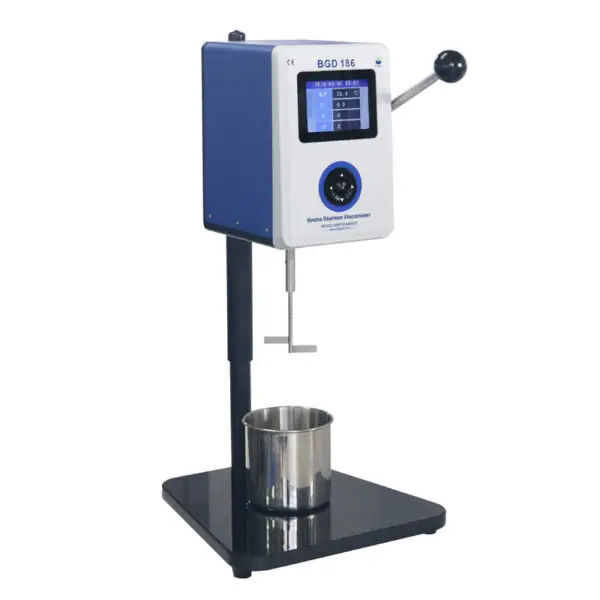
Chart the steps a sample takes: receipt, prep, measurement, verification, reporting. Label the friction points—manual entry, ambiguous error messages, hidden maintenance windows. Build personas that matter: the morning-shift technician racing to finish a run, the lab manager who must justify uptime, the quality engineer who needs traceable reports. Each persona reveals a feature need: faster setup, clearer alerts, standardized exports.
Design choices that respect laboratory realities
Make choices that ease daily practice. Prioritize modular interfaces so a new sensor or testing head plugs in without a full UI rewrite. Ship clear error codes and recovery steps; humans fix things faster when instructions are precise. Capture raw traces alongside processed results to satisfy audits. Keep storage local-first for intermittent networks, then mirror to centralized servers when possible. Avoid feature bloat—each addition should shave minutes from a routine or remove a known failure mode.
Common pitfalls and how to avoid them
Building in a vacuum is the biggest mistake. Don’t assume one lab equals another—materials, staff skill, and sample throughput vary. Don’t hard-code vendor-specific data formats or force proprietary file types that isolate analysis. Skipping maintenance workflows leads to silent drift: instrument readings wander and trust erodes. Ignore training and you’ll see new features unused. Test under real schedules; a device that passes bench tests but fails during a 24-hour run isn’t fit for purpose.
Assessing alternatives and trade-offs
Decide where to buy, where to build. Off-the-shelf analyzers can deliver validated accuracy quickly but may constrain software customization. Custom systems offer tailored interfaces and integrations but demand disciplined calibration plans and maintenance resources. When selecting instrument classes—tensile testers, hardness testers, spectrometers—match throughput to sample volume. Over-specifying capacity wastes budget; under-specifying creates queues. Choose openness when future integrations are likely; choose turnkey when immediate validation and uptime matter most.
Experience and standards that anchor decisions
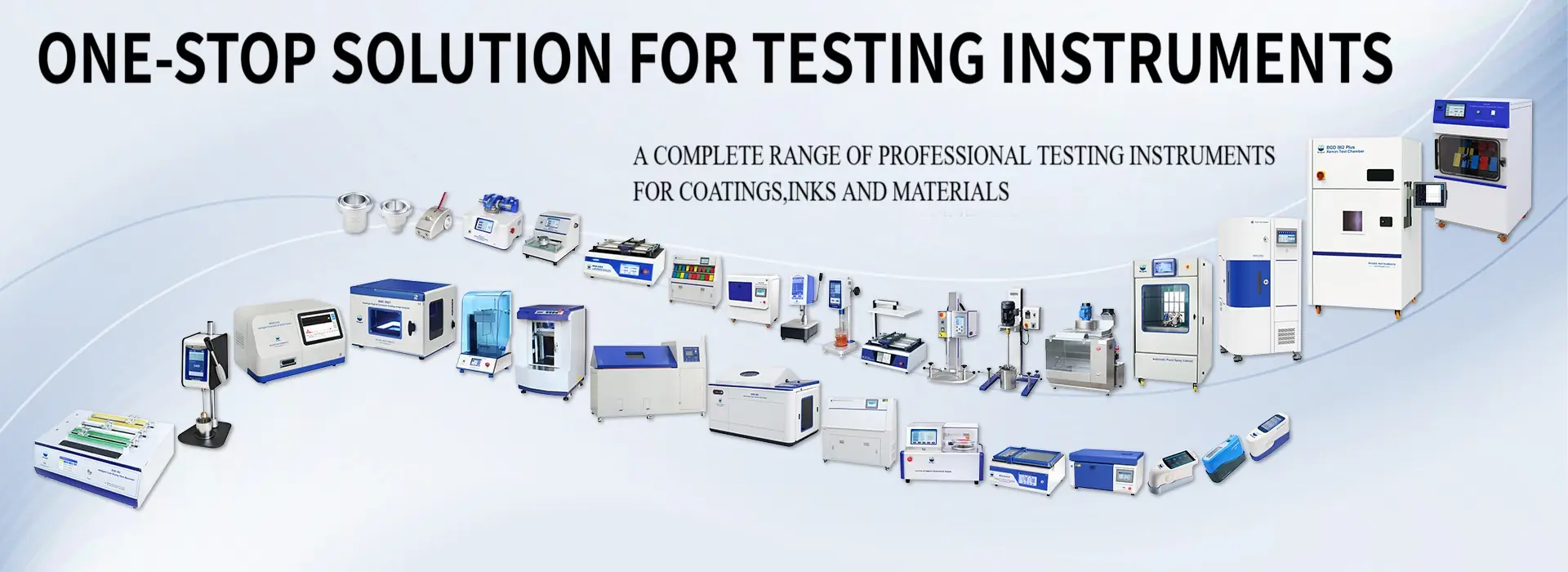
Years at benches teach you to prefer clarity over cleverness. Procurement choices should align with recognized standards so results stand up in audits—start with ASTM International standards as the yardstick for performance and reporting. Cross-check instrument specifications against those standards. When vendor claims meet standardized tests, you reduce risk. For practical comparisons and vendor selection, inspect calibration certificates and ask to see raw output files from a known sample run; that reveals integration readiness and long-term maintenance needs. Practical exposure to material testing instruments across production labs proves what spec sheets cannot.
Measure what matters
Pick a handful of concrete KPIs: percentage of successful runs without manual intervention, mean time between calibrations, time from sample receipt to report, and technician-reported friction scores. Monitor drift trends and flag increases in manual corrections. Use those numbers to make product trade-offs: invest in automation where manual corrections exceed a threshold; simplify the UI where frustration scores spike.
Close the loop with suppliers and users
The roadmap is iterative: put prototypes in hands, measure outcomes, refine. Keep a short feedback cycle with users and suppliers so firmware, consumables, and software evolve together. When a lab reports repeated downtime, trace the issue to hardware, process, or interface and fix the root cause—not just symptoms. That discipline turns occasional reliability into dependable service.
A final strand
Build around people who touch samples, and the instruments become tools that sing rather than objects that obstruct. A product strategy grounded in daily practice, validated against standards, and guided by clear metrics creates lasting value; that is the form of trust labs need, delivered through partners like BIUGED.
