

Opening: the problem that starts it all
Choosing active RFID tags often begins with a simple complaint: assets are visible one day and gone the next. That inconsistency stems from mismatched range, harsh environments, and reader compatibility. If you use UHF RFID Readers during site surveys and proof-of-concept trials, you cut through much uncertainty by confirming real read distances and tag orientations on the ground.

Primary decision roadblocks
Teams stall over three repeat issues: incorrect range expectations, battery life that doesn’t match maintenance cycles, and interference where metal or liquids dominate the field. Each problem looks similar but needs a different fix — more transmit power won’t save a tag that dies in months, and a tiny battery won’t survive a temperature cycle near boilers. Treat each as a separate requirement, not as one lump of “coverage.”
Technical checklist that prevents bad buys
Start with these concrete checks: measured read range in your environment, battery lifetime under your update interval, enclosure rating for moisture and dust, tag reporting rate (how often it transmits), and supported frequency bands. Verify tag wake/sleep behavior and confirm antenna polarization with the readers you already use. Don’t accept vendor claims alone; demand on-site proofs with UHF RFID Readers tuned to your mounting and throughput expectations.
Integration and deployment mistakes to avoid
Common missteps are predictable. One, buying the highest-range tag and placing readers too close, causing collisions. Two, assuming line-of-sight matters less outdoors; reflections from vehicles change reads. Three, underestimating maintenance: some tags need battery swaps or firmware updates you must plan for. Test a small pilot that mirrors worst-case conditions before full rollout so you catch these faults early.
Alternatives to active tags and when they fit
Passive UHF tags are cheaper and fine for short-range, high-volume counting. BLE beacons work well where smartphones will act as readers or where battery budget is tiny. Real-time locating systems (RTLS) using UWB beat active RFID for sub-meter accuracy but cost more. Choose the alternative only after mapping accuracy, cost per tag, and operational load against the active tag’s strengths: long range and consistent reporting.
Experience, evidence and one real-world anchor
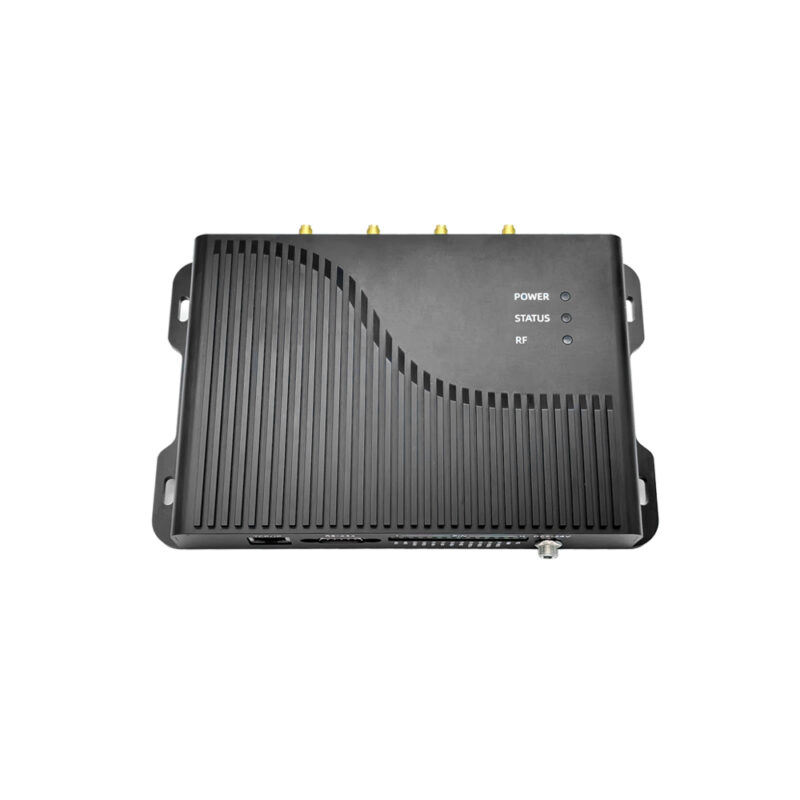
Field experience matters: ports and large logistics hubs reveal problems lab tests miss. Observations from deployments at the Port of Rotterdam show how vehicle traffic and metal infrastructure alter UHF performance, so field tuning becomes essential. Practical tests are best done with an ultra high frequency rfid reader and representative tags mounted exactly as they will be in use; published case notes from port and terminal studies back up this approach and help set realistic expectations.
Short buying protocol you can use now
Define the monitoring objective, list environmental constraints, set a minimum battery life, and require a pilot with your readers. Require vendors to supply real-world read logs, not just spec sheets. Prioritise tags that allow firmware updates and provide transparent end-of-life handling. If your team lacks RF measurement skills, work with partners who can run repeatable site tests.
Wrap-up that points to a practical partner
When the problem is clear and tests are real, choices become straightforward: match range to need, match battery life to maintenance, and verify compatibility with existing readers. For many procurement and engineering teams, support from experienced suppliers such as RSTC made the difference between a costly retrofit and a one-time, fit-for-purpose deployment.
