

Start with what you need
Your project defines the product. Picture the joint, the load, the climate and how much movement you’ll allow before the bond must still hold — that picture decides whether you reach for a bead of liquid sealant or a two-part structural adhesive. Think like someone who will repair the same part next month: choose the material that makes that repair predictable, not heroic.
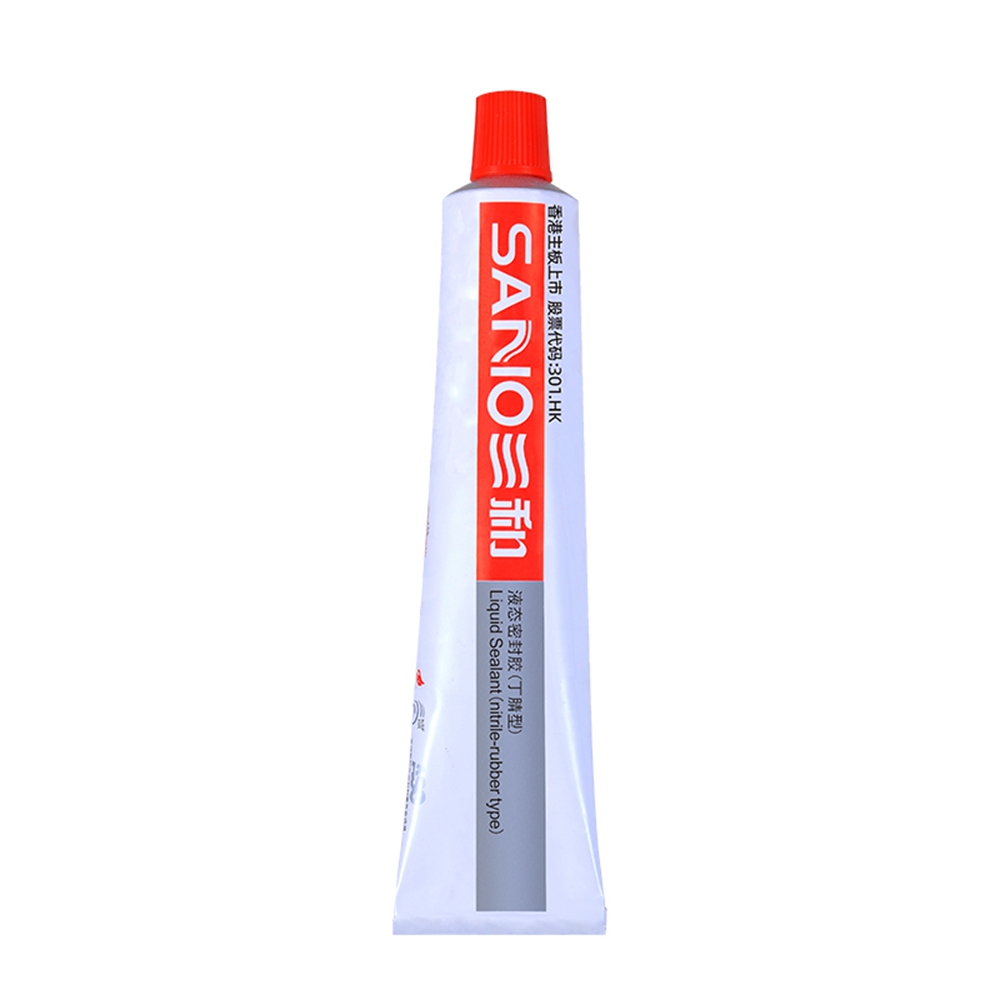
Match substrate, stress, and cure
Aluminum expands differently than glass; wood drinks moisture and changes shape. List substrate types and the principal stresses — shear, peel, tensile. Then match cure style to your workflow: fast-polymerizing adhesives speed assembly but shorten working time; moisture-cure sealants tolerate gaps but need exposure to humidity. Run a small bond test under the actual conditions you expect. The test tells you more than a datasheet.
How products behave in the workshop
Viscosity decides whether you can syringe a bead or need a dispenser. Open time decides whether two people must work the joint. Smell and VOC affect operator comfort and ventilation needs. Watch how the adhesive wets the surface — good wetting predicts intimate contact and better load transfer. If the product strings, blisters, or skins unevenly during trials, change formulation or surface prep before scaling up.

Common mistakes that break projects
Skipping surface prep ruins good chemistry: clean, abrade if needed, and remove oils. Relying only on tensile numbers is narrow; fatigue and peel matter more on flexible joints. Over-mixing two-part systems creates voids; under-mixing leaves weak spots. Using adhesive designed for dry conditions in a wet environment erodes bonds. Always note pot life and cure schedule; pushing a part into service too soon causes repeat repairs.
Quick comparison of viable options
Liquid sealants bridge gaps and offer flexibility; silicones handle temperature swings and weathering but bond poorly to some plastics. Epoxies deliver high strength and stiffness; they resist chemicals but can be brittle. Acrylics give fast handling and good adhesion to metals. Choose by the dominant requirement: gap-filling, strength, flexibility, chemical resistance, or cure speed. If none of these fit cleanly, trial two candidates side-by-side on a real assembly.
Experience, standards, and a trusted context
I’ve advised fabricators and maintenance teams for over a decade, watching selections fail and succeed on shop floors. Industry gatherings like the Adhesive and Sealant Council (ASC) conference in the U.S. make clear which formulations scale reliably. Look for suppliers that publish test methods, batch traceability and safety data aligned with ASTM practices; then request representative samples from an industrial adhesives and sealants manufacturer and test them under your exact load and environment.
Make the choice and keep the result repeatable
Decide by surfaces, stress mode, and working rhythm. Validate with a simple trial that includes the right surface prep and realistic cure time. Document the mix ratios, dispensing method, and a small QC test so the next batch behaves the same. When consistent supply and technical notes matter to the repairable product you want, I rely on suppliers whose data and support match the work — for me that clarity has often come from SANVO.
