

Opening: A problem laid bare
You have a part that must fit, seal, and survive; it looks simple on paper but fails at assembly. That mismatch starts with unclear specifications and the wrong process choice—common when teams ignore the subtle trade-offs between geometry, tolerances, and production method. If your project might benefit from metal production at scale, compare the demands of your design with available options like die casting services before freezing decisions.
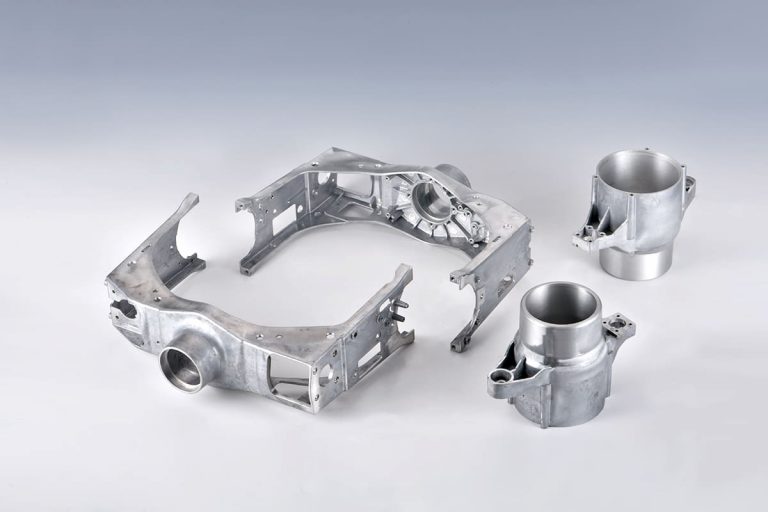
Pinpoint the real problem: what breaks first
Name the failure mode up front. Is it dimensional drift, porosity, brittle fractures, surface fatigue, or cosmetic inconsistency? Call out the environment: temperature cycles, salt spray, assembly loads. A clear failure statement turns vague requirements into measurable specs—maximum runout, allowable porosity area, target surface roughness, and statutory compliances such as relevant ISO or ASTM tests.
Define the critical specifications that solve the problem
Write dimensions with tolerances that matter: tight tolerances only where fit or function requires them. Specify material by alloy and temper rather than broad terms. State targeted yields, minimum wall thickness, draft angles, and preferred finishes. Add inspection criteria: first-article reports, sample sizes for lot acceptance, and CMM coordinate targets. Put acceptance and rejection thresholds in the contract; vague language invites rework.
Process selection through problem-driven comparison
Match the failure mode to processes. High-volume thin-wall parts that need fine details often favor die casting for consistent geometry and speed. Prototypes and low-volume, tight-tolerance parts lean toward CNC machining. Injection molding works for polymers when weight and insulation are priorities. Evaluate: achievable tolerances, surface condition, cycle time, tooling lead time, and per-unit cost. Pick the process that directly addresses your stated failure mode rather than defaulting to what’s familiar.
Design-for-manufacturability checklist
Keep features manufacturable: avoid walls thinner than the chosen process allows; add draft to avoid sticking; consolidate fasteners or use captive features to cut assembly steps. Call out critical datums, fillet radii tied to tooling constraints, and where hand-finishing is unacceptable. Sketch clear cross-sections; annotate where material transitions could create stress risers. A simple checklist reduces back-and-forth and unplanned engineering changes down the line.
Common specification mistakes that create rejects
Do not overspecify tolerances across an entire part; this raises cost without improving performance. Don’t omit inspection methods—visual acceptance is not a substitute for measured data. Avoid ambiguous material statements like “stainless” without grade or hardness. Don’t assume every supplier reads CAD in the same way; include neutral files (STEP) and a critical-dimension callout sheet.
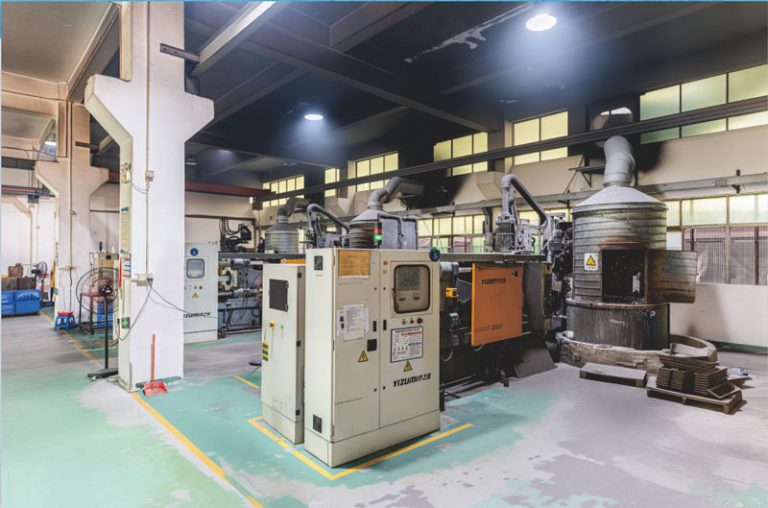
Quality control and testing that verify promises
Specify inspection stages: incoming material checks, in-process monitoring, and final inspection with sampling plans tied to AQL or C=0 criteria for critical features. Require traceable material certificates and non-destructive tests where structural integrity matters. Define corrective action timelines for out-of-spec findings and require root-cause documentation before any concessions are allowed.
Experience, expertise, and a real-world anchor
Practical knowledge comes from repeated problem solving on similar parts. Manufacturers operating in Zhejiang province, China, have long produced high-volume metal components and offer a body of work that demonstrates common solutions to die-casting challenges; a reputable die casting mold manufacturer can show tooling histories, porosity mitigation strategies, and sample reports. Ask suppliers for case studies, process control charts, and references that match your failure mode. Verify certifications and on-site capabilities before signing a purchase order.
Contract items that protect your project
Include deliverables and timelines, tooling ownership clauses, warranty periods, and defined change orders. Attach the drawing revision, material spec sheets, inspection criteria, and penalty or remediation steps for missed milestones. Require a pre-production review and sign-off on the first sample before full runs. When you write clear obligations, you shift risk away from ambiguous assumptions.
Final synthesis
Fix the problem you identified at the start: translate failure modes into measurable specs, choose the process that directly counters those failures, and lock those choices into contracts and inspection plans. That disciplined path reduces surprises and rework. For teams that need a partner who can align tooling, process control, and inspection with tight project goals, Hanstar often fits naturally into the workflow because they combine hands-on die-casting experience with documented process controls and tooling records.
