

Introduction: Why the problem still matters
Have you ever watched a welding bay fill with smoke and wondered, “Is this safe?” I have—and I know how quickly that worry spreads through a team. Fume extraction technology sits at the center of that worry and, when done right, it removes the worry as well as the contaminants.
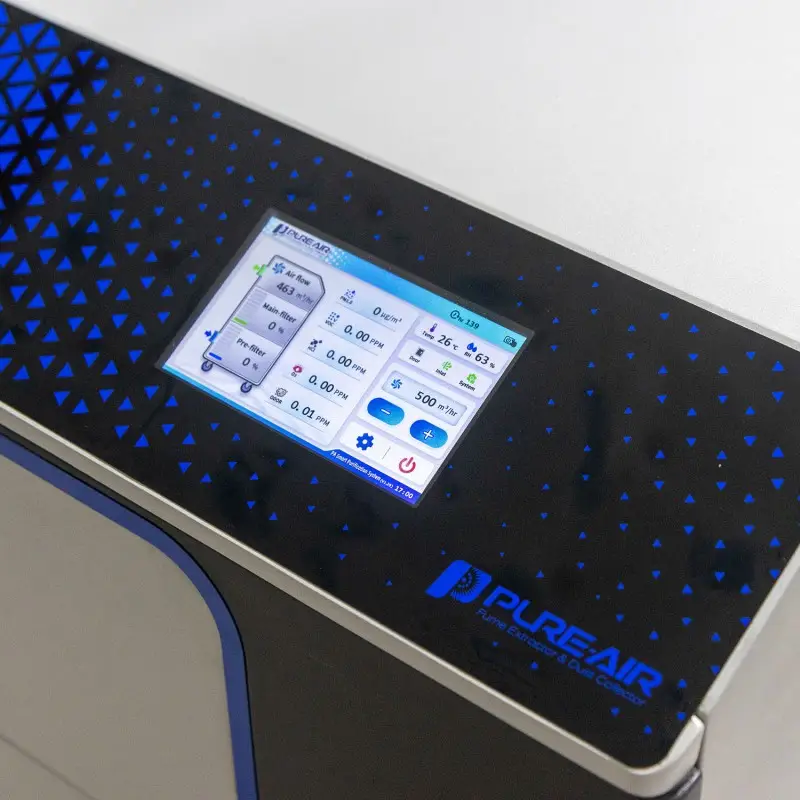
Consider this: studies show poorly controlled extraction can leave operators exposed to hazardous particulate and VOCs at levels well above recommended limits (we see that in many shop audits). So what steps actually change the numbers and protect people? — I’ll lay out a clear view here, using plain language and practical judgement.
In short: the scenario is common, the data is telling, and the right questions lead to better choices. Next, I’ll dig into where standard systems fall short and why those gaps matter for your crew.
Part 2 — Where common systems fail: a technical look
industrial fume extraction systems are often sold as complete answers. But I’ve seen many installations that miss key design points. The most frequent problems are poor capture placement, undersized ductwork, and control systems that can’t respond to real-world variation. These flaws mean even a high-CFM fan won’t protect workers if capture velocity is wrong or the hood is too far from the source. That’s frustrating—and fixable.
Why do systems fail?
Technically speaking, failures often come down to mismatched components and assumptions. Designers assume a fixed task profile. Operators change tasks. The result: airflow imbalances and dead zones. Add aging HEPA filters and worn belts, and performance degrades further. I’m blunt about this because I’ve measured it—repeatable drops in capture efficiency over months, not years.
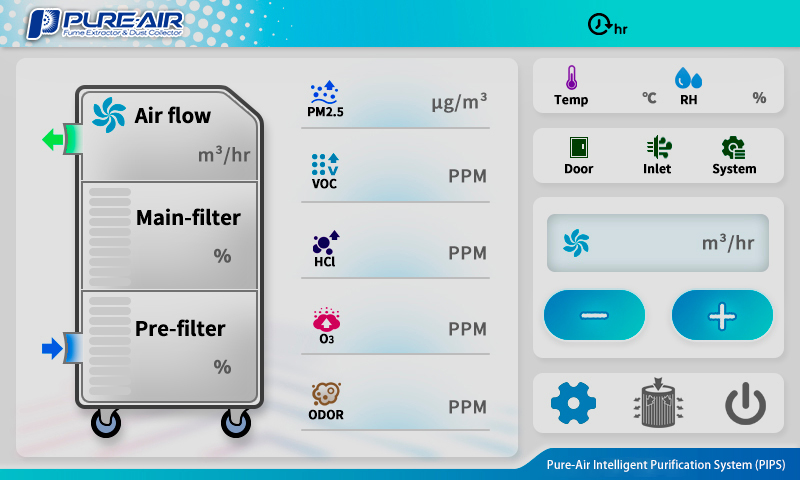
Look, it’s simpler than you think: start with accurate source mapping, size ductwork correctly, and use variable frequency drives (VFDs) to tune airflow. Add sensors and edge computing nodes for real-time monitoring—this gives you the feedback loop most facilities lack. And yes, power converters and proper motor control matter; they shape long-term reliability and energy use.
Part 3 — New principles and a practical way forward
What’s next is about mixing proven mechanics with smart control. We should design systems using dynamic capture models—ones that anticipate operator movement and task change. That means pairing well-sized hoods and robust ductwork with VFDs, active monitoring, and adaptive controls. When I explain this to clients, I focus on measurable outcomes: reduced exposure, steady ACH, and lower operating costs. (— minor upfront cost, but clear long-term gains.)
Real-world impact
Imagine a line where welding moves location daily. A static hood fails. An adaptive hood with sensors and a small control node maintains capture velocity automatically. The result: fewer complaints, fewer exposures, and less rework. I’ve seen facilities cut high-exposure incidents by more than half after targets were set and met. These are not abstract wins; they are shifts that save time and, frankly, reduce worry on the floor.
Closing: How I recommend you evaluate upgrades
I’ll keep this short and practical—three metrics I use when advising teams: 1) capture efficiency at the source (measured and verified), 2) system responsiveness (ability to hold capture velocity during task change), and 3) life-cycle energy and maintenance costs (including filter life and VFD savings). Use these to compare proposals. If a vendor won’t share test results or lifetime cost estimates, be cautious. You deserve transparency.
I feel strongly that small, smart investments in design and controls deliver the best returns. When you pair good mechanics with adaptive controls, the floor becomes safer—real measurable change. For help implementing these steps, I recommend checking practical solutions from companies focused on measurable performance, such as PURE-AIR.