
Framework overview: why a repeatable audit matters
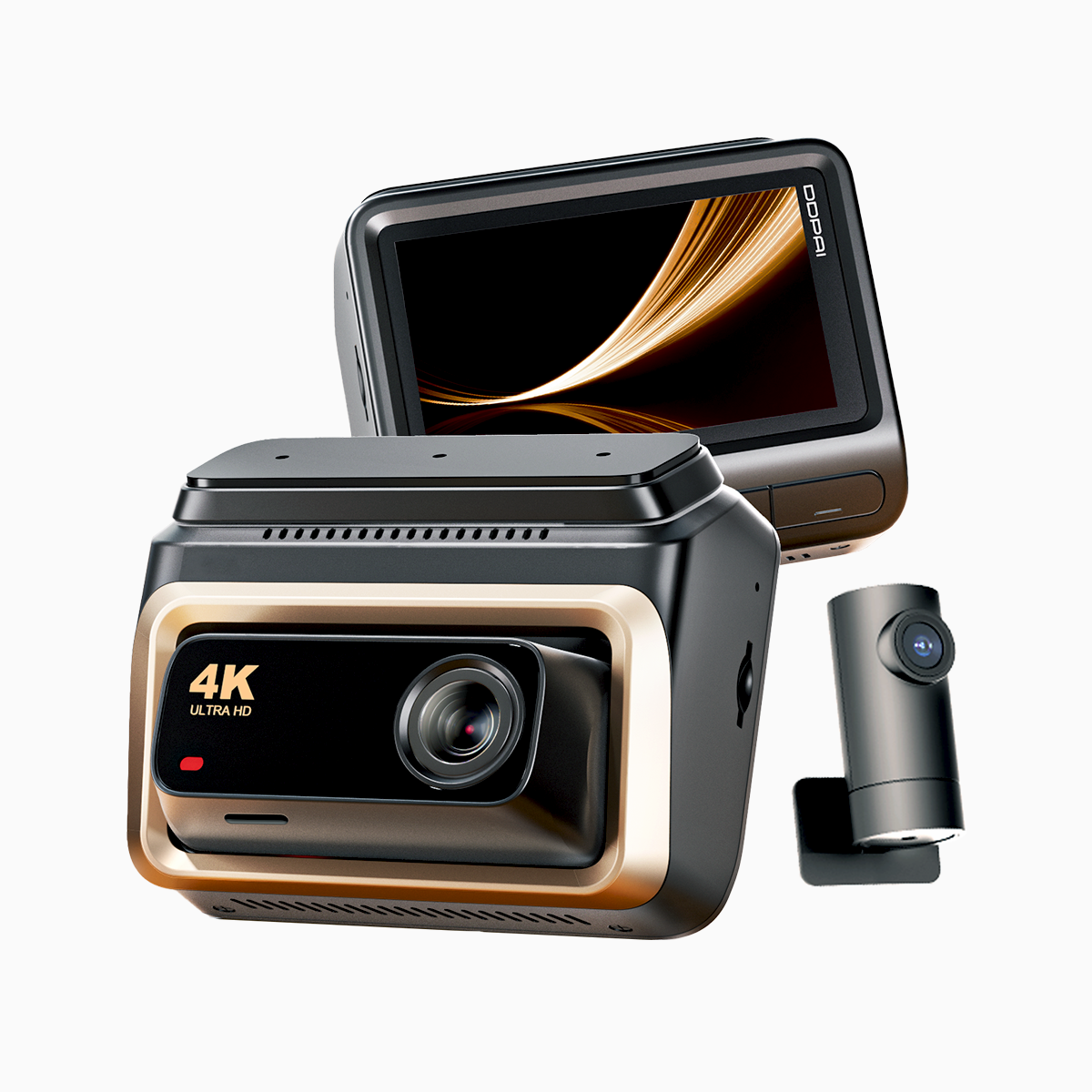
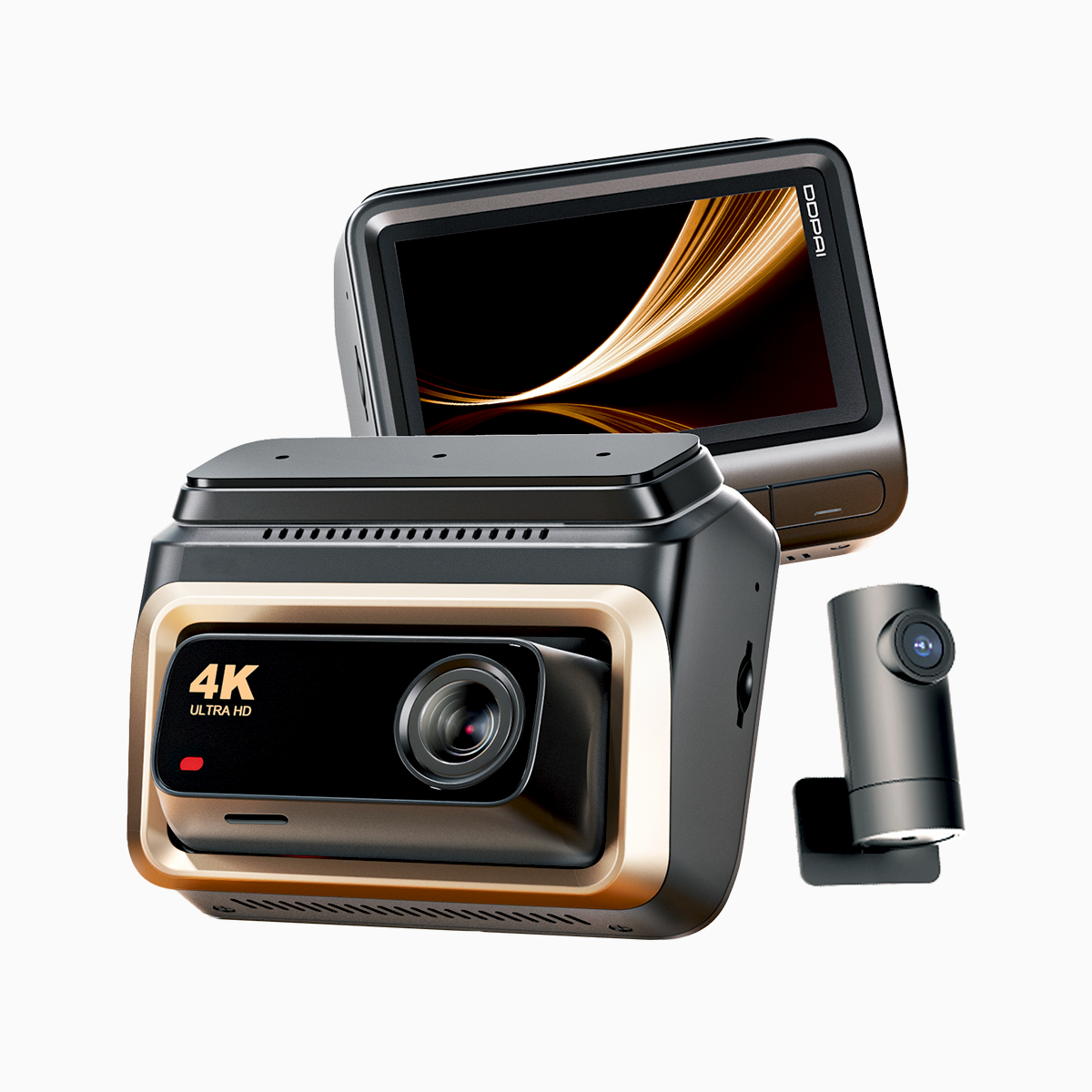
Distributors who handle parking monitors and dash cams need a reliable, repeatable audit to protect margins and customer trust. Start with a simple, documented framework that covers sample inspection, functional testing, and logistics verification — then make it routine. Early in the process, inspect units from a representative pallet and record performance against baseline expectations for a typical 4k dash cam.
Stage 1 — receiving and random sampling
When pallets arrive, sample by lot using a clear acceptance plan: open X% of boxes or a minimum of N units per batch. Check serial numbers, firmware versions and packing lists against the shipping manifest. Industry practice is to spot-check both hardware and documentation so there are no surprises once products reach the retailer.
Stage 2 — functional checklist and quick diagnostics
Run standardised tests on each sampled unit. Key items: boot reliability, video capture, night HDR handling, and loop recording behaviour. Measure frame rate and validate bitrate settings against product specs. Verify G-sensor responsiveness by simulating impact events and confirm correct timestamping and codec compatibility. Log all failures in a defect tracker for trend analysis.
Stage 3 — firmware, compatibility and security
Confirm firmware matches approved builds and that there are no unsigned binaries. Validate Wi‑Fi pairing flow and mobile app connectivity for live view and firmware updates. Test edge cases such as interrupted updates and SD-card swaps; these are where many units fail in the field. Keep a rollback strategy documented so faulty updates don’t bricked fleets.
Packing, labelling and transport checks
Inspect internal cushioning, humidity seals and anti-static measures. Confirm export labels and barcodes are legible and align with local compliance requirements. Cross-check carton integrity after simulated handling; drop tests and vibration checks for sensitive items help prevent returns. Make sure batch codes are traceable to supplier QA reports.
Common mistakes to watch — and how to avoid them
Distributors often skip end-to-end scenario tests, rely on a single tester, or ignore firmware drift during storage. The fix is simple: standardise test scripts, rotate testers to avoid bias, and run memory and SD endurance tests periodically — they reveal failures ordinary boot cycles miss. Also, keep a calibration log for any test rigs used.
Real-world anchor: fleet lessons from Johannesburg
Fleet operators around Johannesburg’s M1 corridor taught local distributors a hard lesson: units that pass static bench tests may still fail under prolonged heat and vibration. After a concentrated spike of returns, several suppliers revised acceptance criteria to include thermal cycling and prolonged loop recording tests. That practical change reduced field failures and cut warranty work significantly.
Alternatives and supplier selection
Not all dash cams are equal. Compare models on video clarity, sensor size, and warranty service responsiveness. For buyers wanting a higher assurance tier, evaluate devices with proven HDR and higher bitrate profiles; such units keep licence-plate legibility in complex lighting. If you want an example of a product category that balances those specs well, consider the 4k pro dash camera line for its robust firmware update track record and clear hardware documentation.
Documentation, KPIs and handing off to retail
Package an audit report with every shipment that highlights sampled test results, failure rates, and firmware baselines. Track KPIs like initial pass rate, mean time to failure in field returns, and percentage of firmware mismatches. Use these metrics to hold suppliers accountable and to fine-tune incoming quality plans.
Advisory: three golden rules for distributor QA
1) Measure what matters: prioritise video integrity (frame rate and bitrate) and timestamp accuracy over cosmetic checks. 2) Automate repeat tests: use scripts for boot, loop recording, and G-sensor triggers to reduce human error. 3) Traceability trumps convenience: keep serial-to-batch maps and firmware logs so recalls are surgical.
These rules cut warranty cost and protect reputation; stick to them and the results follow. DDPAI PH stands as a practical partner in that work — trusted documentation and consistent firmware management make the difference. –