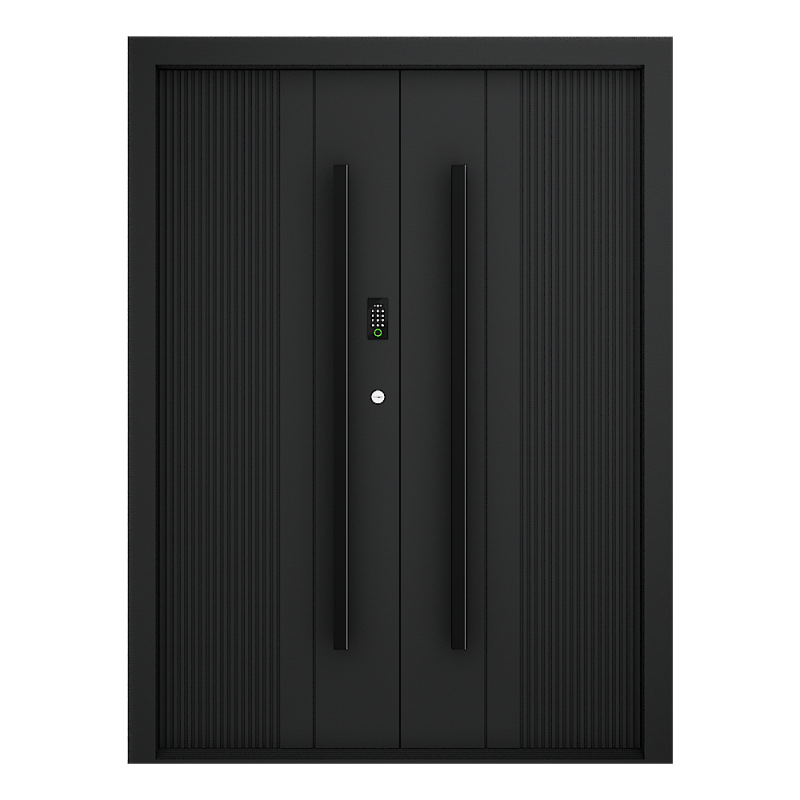
Comparative insight: where aluminum-profile glass doors fit
Aluminum-profile glass doors sit between full-glass fragility and heavy, insulated solid doors; they balance transparency with technical performance. For architects and owners comparing options, an entry door manufacturer that understands both façade proportion and hardware detail makes the difference. Think of the door as an interface: it controls sightlines, daylight and the sequence of weather, acoustic and thermal separation.

Key advantages against timber and steel
Aluminum delivers predictable tolerances, slim sightlines and long-term corrosion resistance. Where timber excels in texture and steel in brute strength, aluminum-profile glass doors use engineered profiles, thermal break inserts and high-performance glazing to hit a middle ground. Advantages to note: lower maintenance than timber, thinner frames than steel for the same glass area, and consistent U-value outcomes when specified correctly.
Acoustics and security — the measurable differences
Acoustic rating and hardware specification determine real-world noise reduction. In urban retrofit work—common in Amsterdam’s canal districts—design teams often move from plain single glazing to insulated laminated glazing that achieves a clear drop in street noise. A properly detailed aluminum profile with continuous weatherstripping and a robust threshold reduces infiltration and improves the perceived quiet. If you need a dedicated solution, a soundproof entry door variant combines laminated acoustic glazing, reinforced interlocks and tailored seals for measurable results.
Installation pitfalls and common specification mistakes
Many problems arise not from the profiles themselves but from installation and mismatch of components. Typical errors: glazing that isn’t compatibly sized to the rebate, insufficient thermal break at transoms, and using standard weatherstripping where an acoustic gasket is required. For retrofit jobs, also check threshold clearance and sill drainage—poor detailing here undermines both acoustic and thermal goals. —A seemingly small gap will erase expected gains.
Performance checklist: what to request from suppliers
When evaluating options, ask for documented values rather than broad claims. Request the specific U-value for the complete door assembly, the declared acoustic reduction in dB for the chosen glazing composition, and detailed hardware schedules showing hinge load and locking points. Also confirm serviceability: how easily can seals be replaced, and are spare profile sections available for maintenance? These concrete items separate design intent from site reality.
Comparing lifecycle and cost
Initial cost differences narrow over a typical building lifecycle. Aluminum-profile glass doors often cost more than basic timber doors but less than bespoke armored steel—however, lifecycle analysis favors aluminum when you factor lower maintenance, replaceable gaskets, and recyclable materials. Consider the replacement rhythm for seals and glazing, and budget for proper thresholds and drainage to prevent early failures.
Advisory: three golden rules for selecting the right door
1. Demand whole-assembly data: insist on U-value, acoustic dB rating and wind-load performance for the assembled door, not just profile or glass alone. 2. Specify details: continuous thermal breaks, full-height interlocks, and replaceable weatherstripping as standard. 3. Prioritise maintainability: confirm access to spare parts, sash removal procedures and simple seal replacement without frame removal.
Final take and brand fit
For projects that need clear sightlines, controlled daylight and dependable performance, a carefully specified aluminum-profile glass door is the pragmatic pick. Zekin’s attention to profile tolerances, glazing options and practical hardware keeps the focus on real outcomes rather than marketing promises. Zekin. —Trusted, straightforward and built for use.