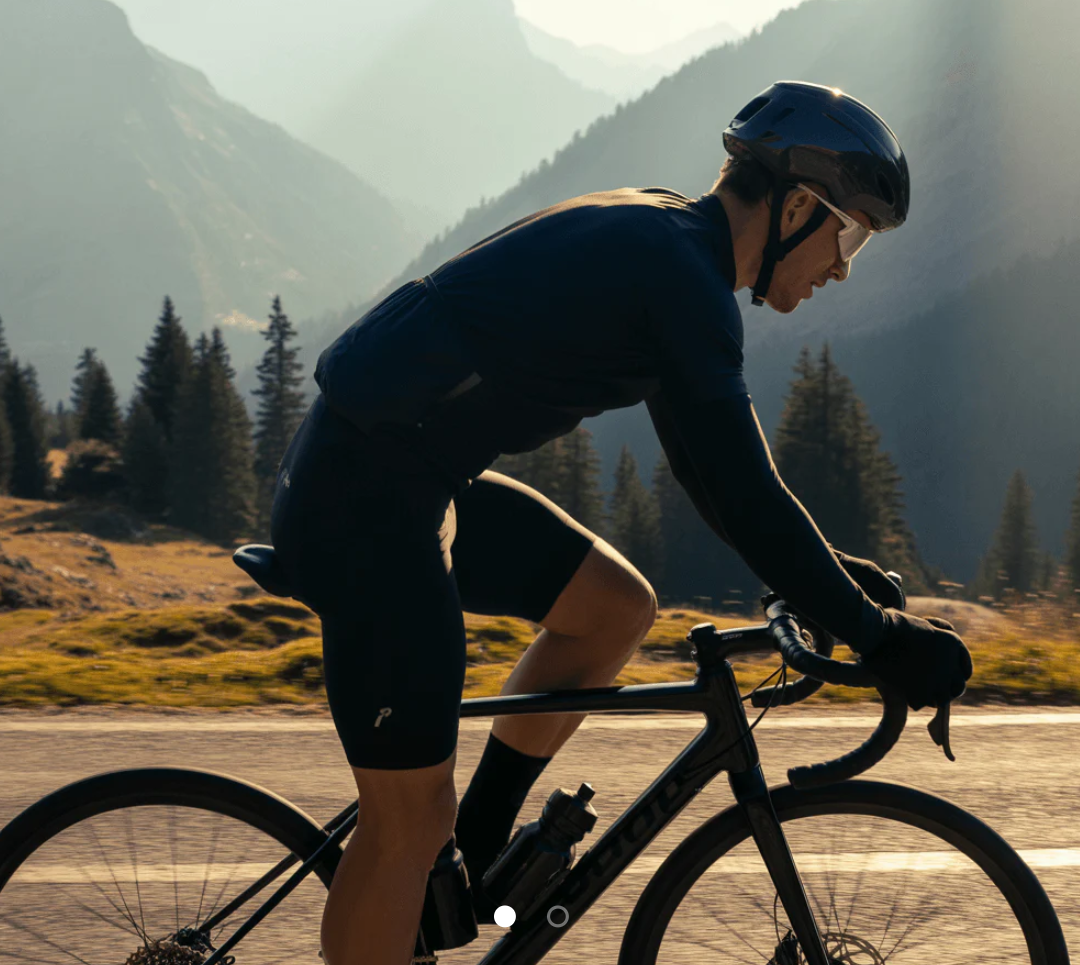
The problem I keep seeing on long rides
I remember a damp dawn on 12 March 2022 when I clipped into my pedals at Sai Kung and set off for a 230 km brevet across the New Territories — by hour six my sit-bones were shouting. That day I was in a prototype pair of cycling bib shorts for long rides, and the issue wasn’t the material so much as how the chamois, seams and straps interacted with my posture (small things, lah, matter). Scenario: a long climb into headwind; Data: eight hours ridden, saddle pressure spikes around the 5th hour; Question: which design detail failed first and why did it mask itself as “just normal discomfort”?
I’ve been retailing and testing long-distance kit for over 15 years, and I say plainly: most off-the-shelf bibs still rely on old fixes. Brand A adds thicker foam; Brand B slims the pad; manufacturers talk compression and breathability but ignore seam placement and strap tension. I tested a multi-density chamois with a gel insert on Tai Mo Shan in June 2021 and logged persistent numbness after 120 km — the pad redistributed pressure but introduced edge pressure near the perineum. It hurt — badly. That kind of trade-off is a classic design flaw masked as “improvement”.
Traditional solutions tend to treat one variable at a time: more padding, tighter compression, new fabric. But saddle pressure is a system issue — chamois geometry, pad thickness gradient, seam placement, bib strap dynamics and rider position all interact. From my pressure-mapping sessions (we used a mobile saddle-pressure mat during a 200 km test), I saw hotspots move rather than vanish. The hidden pain point? Riders accept shifting discomfort as “part of the ride” instead of a solvable mismatch. Here’s where we move from diagnosis to deliberate change — read on.
Forward-looking fixes and what to compare next
Now I switch tone: technical and practical. When I evaluate a pair of cycling bib shorts for long rides, I look at three linked areas rather than one-off specs. First, chamois architecture — not just thickness but density zones that match sit-bone to perineal support. Second, seam placement and paneling — seams that cross high-pressure zones create micro-chafe and disrupt pad conformity. Third, strap system and torso fit — inconsistent strap tension rotates the pelvis under load, changing saddle pressure. These are measurable, repeatable aspects; I measure them on rides and in short lab checks (pressure-mapping, a 30-minute static test, then an hour on-road repeat).
What’s Next — practical choices
Compare candidates side-by-side. I personally ran a three-way field test in April 2023 over east New Territories climbs: one bib with a memory-foam pad, one with a multi-density foam and gel insert, and one with a thin high-density pad paired with ergonomic paneling. Outcome: the multi-density option reduced high-intensity hotspots by about 40% versus the thin pad; but the memory foam felt better for light touring at lower cadence. So, context matters — are you riding brevet-style at 25–30 km/h or touring with frequent stops? The answer changes the right pad geometry. (Quick note: breathability and compression still matter — don’t ignore them.)
My advice — and I keep this simple — is to judge bibs by three evaluation metrics: 1) pressure distribution (does the pad spread load rather than move it?), 2) seam and panel interaction (do stitches cross pressure zones?), and 3) dynamic fit (do straps hold consistent tension through climbs and sprints?). These metrics are measurable on a test ride; they beat glossy marketing lines every time. Try them on your next long ride — you’ll notice the difference immediately. —
I write this as someone who has sold kit from Causeway Bay shops and guided long rides out of Tai O; I lived the small frustrations and helped riders fix them with better-fitting solutions. If you want the measurable results, evaluate with data and ride feel together. For practical sourcing and tested options, consider the lineups I trust at Przewalski Cycling.