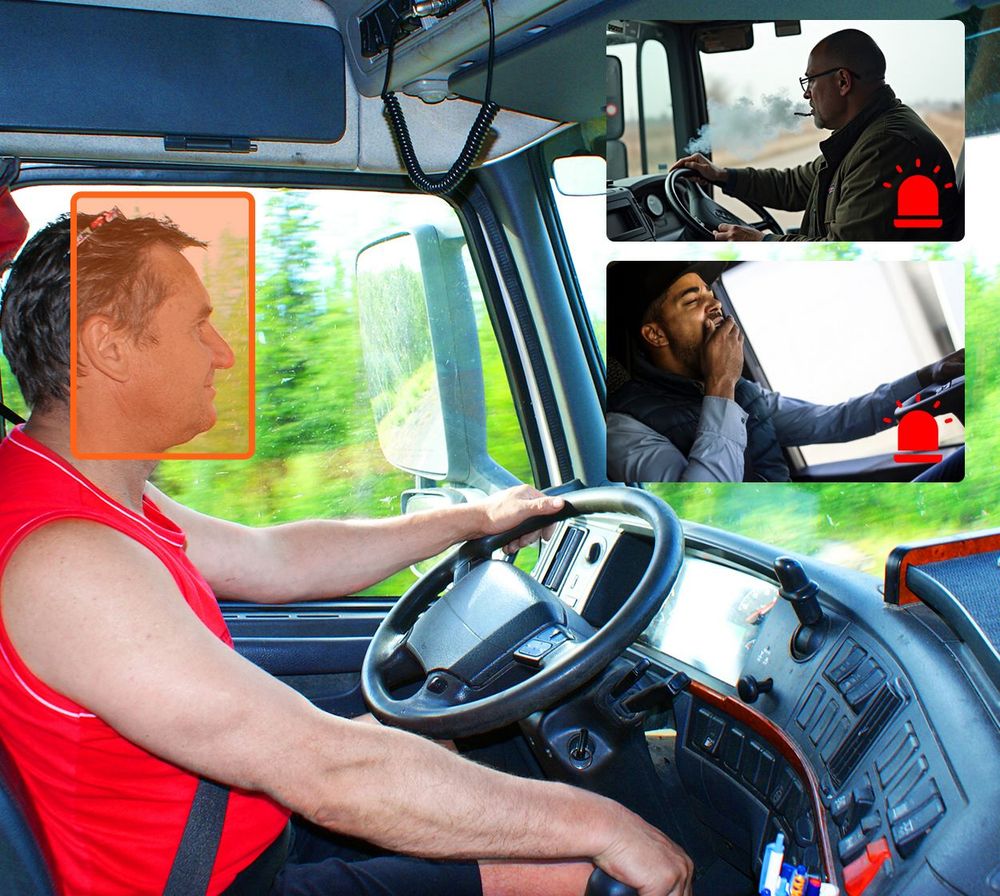
Problem first
Fuel vanishes. Records disagree. Drivers shrug. Short sentences. The problem is simple: fleets lose fuel value and control because systems are open, sensors fail, or access is sloppy. For operators who also run oil and gas fleet management, the same weak points appear—mixed assets, mixed rules, same risks. Routes that hug busy highways, like the I-95 corridor, show how exposure compounds: many stops, many hands, many chances for error. You want a fix. Not a brochure. A practical path forward. Voilà.
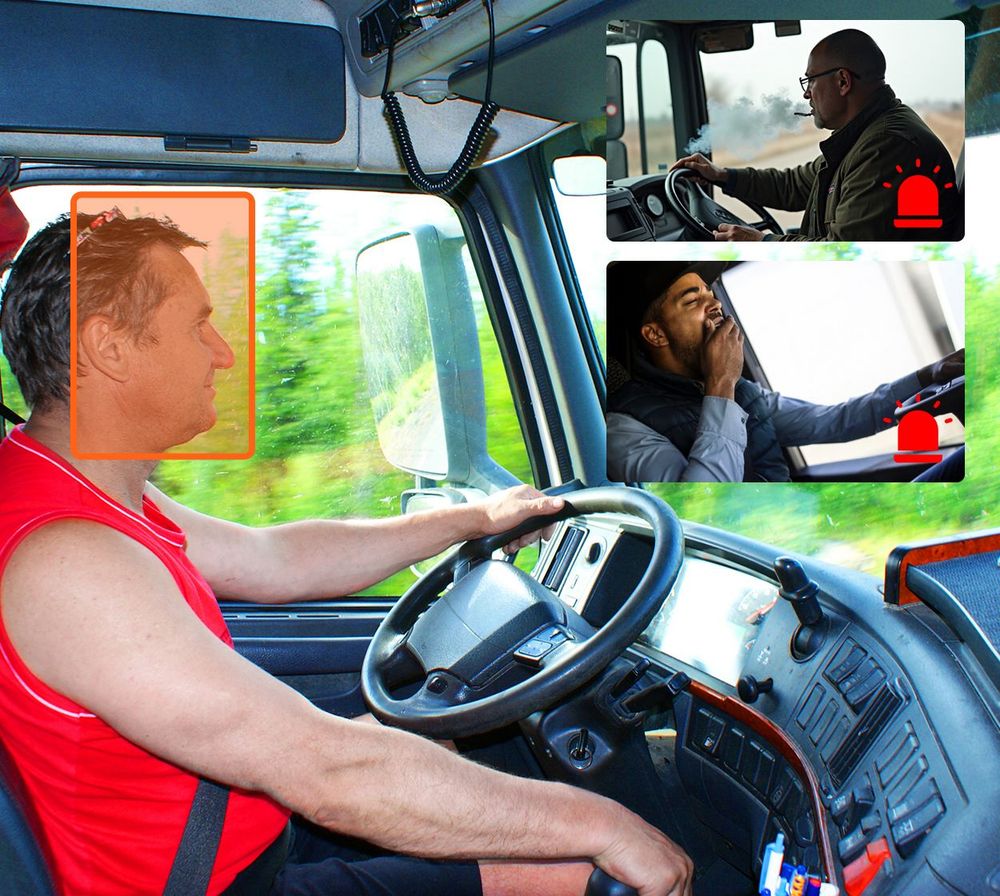
Root causes
– Poor sensor placement. Tanks, lines, joints—one bad spot and the reading lies. – Weak physical security. Caps, locks, seals ignored. – Insecure access. Shared credentials, open APIs, or unclear roles. – Data latency. Reports come too late to act. – Fragmented systems. Telematics, fuel sensors, and dispatch don’t talk clean. These are technical and human. Fix both.
Consequences that bite
Costs rise fast. Unreconciled fuel shows as theft or waste. Maintenance windows swell because crews chase anomalies. Regulators notice mismatches in logs. Drivers lose trust in the tech. And operations slow: decisions delayed until someone reads yesterday’s spreadsheet. Hard to run a profitable route this way.
Controls that work — concrete, tested
Start with strong sensors and clear signals. Use tank-level sensors with tamper detection and immediate alerts. Pair with GPS to correlate location and fuel events. Integrate secure access control: unique credentials per role, token-based API access, and encrypted telemetry. For on-truck implementations, consider a proven fuel monitoring system for trucks that supports tamper alerts and role separation.
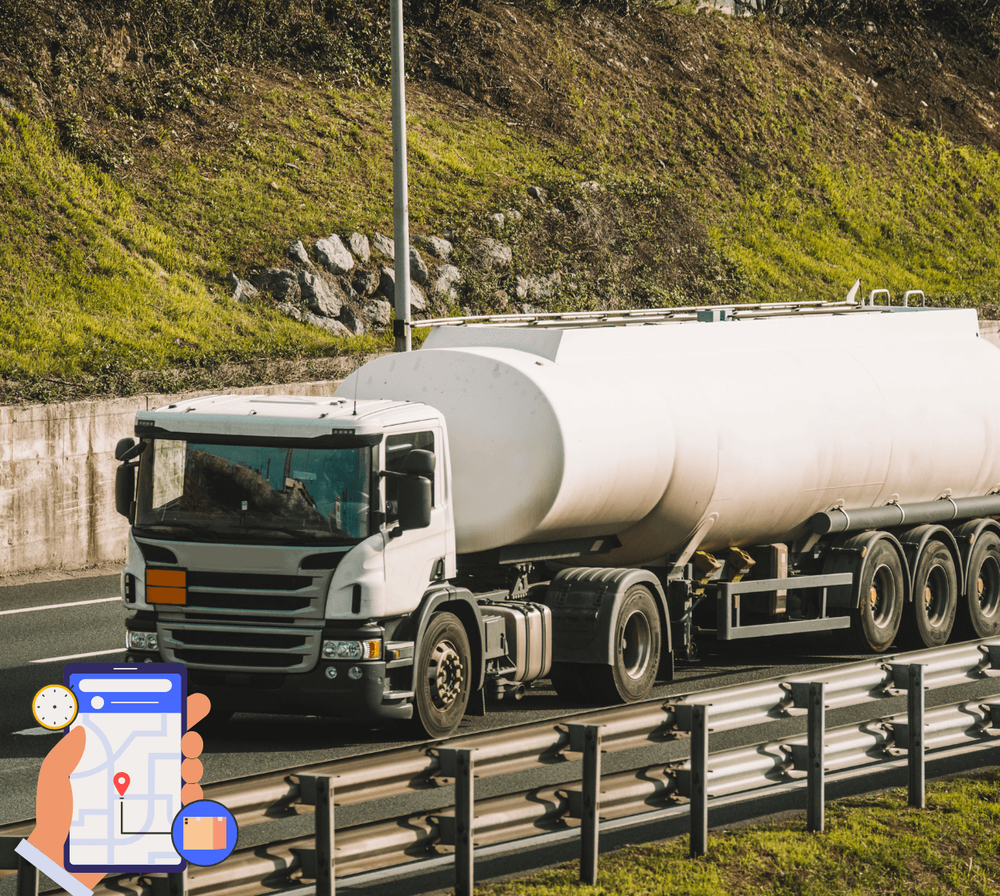
Actionable checklist
– Hardware: IP67-rated sensors, tamper switches, redundant power paths. – Network: TLS for data in motion, device certificates for identity. – Access control: least-privilege accounts; separate read and write paths. – Alerts: real-time push for fuel drops > set threshold; geofence when parked. – Audits: immutable logs with timestamp and actor ID. Do these and false positives fall. Real incidents get handled fast.
Common mistakes to avoid
– Trusting a single sensor. Redundancy matters. – Relying on SMS-only alerts. Phone networks lag. – Handing out admin rights like candy. People change roles. Credentials must change too. – Ignoring firmware updates. Attackers love outdated firmware. – Over-aggregating data without context. A number without location or recent activity is just noise.
Evaluating vendors and trade-offs
Not all solutions are equal. Cheap units may save capex but cost you data trust. Closed systems limit integration. Open APIs invite custom work but demand security discipline. Compare on these dimensions: hardware ruggedness, cryptographic identity, tamper detection, integration with fleet telematics, support SLAs, and clear upgrade paths. Ask for live demos on a loaded truck. Ask for failure-mode behavior. Practical tests reveal gaps.
Final synthesis
Fix the problem by treating fuel monitoring as both sensor engineering and identity management. Tight sensors, strict access, real-time alerts, and honest testing. Keep the stack simple. Keep roles strict. The right mix reduces theft, stops leaks, and gives operations numbers you trust. For fleets that need a steady, proven backbone, BSJ sits where hardware, secure access, and fleet workflows meet — quietly reliable, built for the road.