

The problem that starts everything
Folks, you can plan ‘til the cows come home, but if your requirements ain’t tied to real-world constraints, you end up with a pretty bit of kit that won’t do the job. The common failure I see is teams treating instrument design like a checklist — spec a sensor here, pick a controller there — and forget how the thing’ll actually be used out in the shop. That’s where a tailored approach matters: choose requirements around how tech operators handle samples, how often the rig’s calibrated, and what failure modes are most likely. When those needs are clear, you pick or build custom tools — like tailored rigs and fixtures — and not just off-the-shelf mismatched junk. If you need an example of purpose-built gear, look into custom testing equipment that’s made to fit the workflow, not the other way ’round.
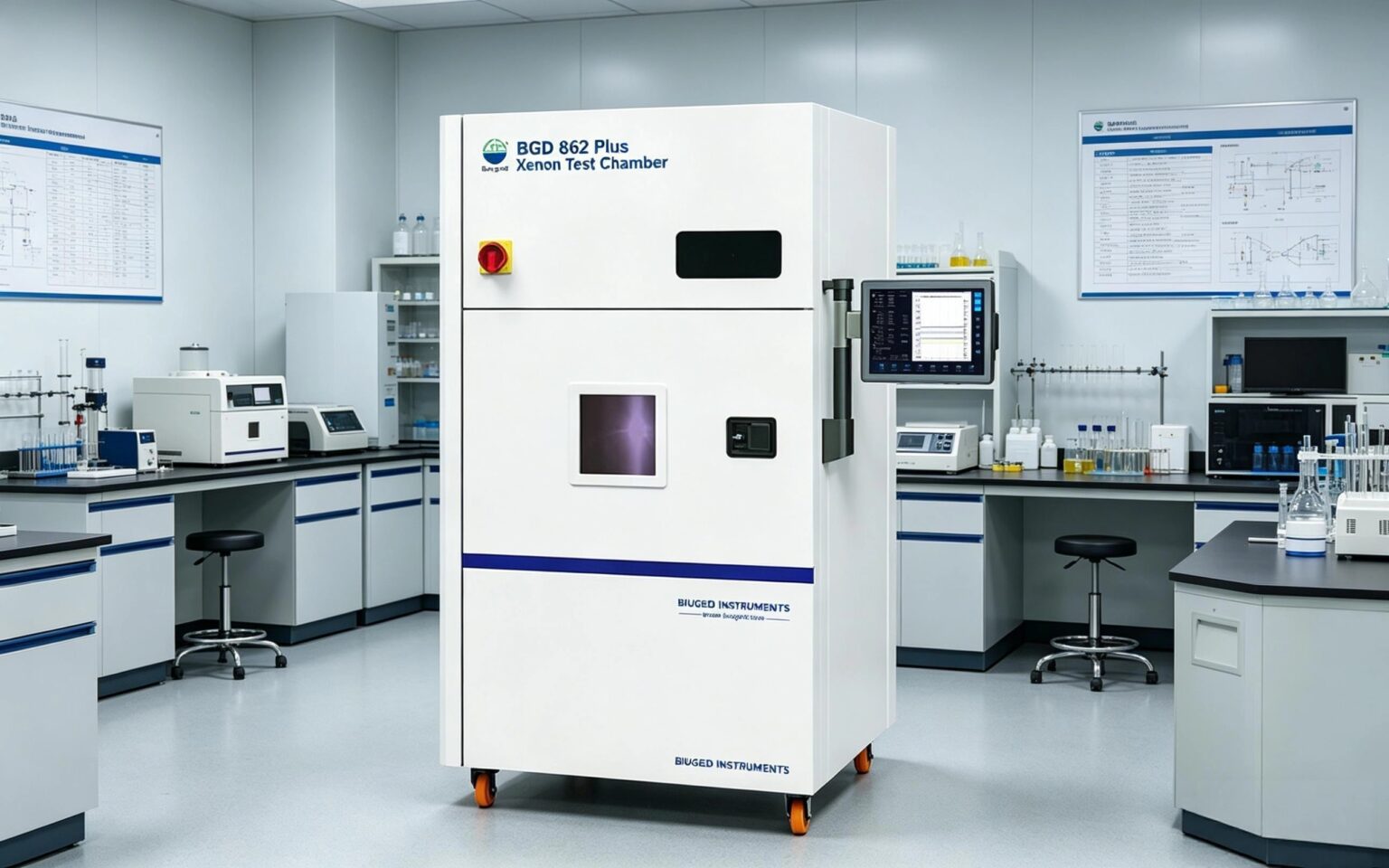
Why I trust this approach — proof and experience
I’ve seen projects stall when teams ignored standards and local realities. One clear anchor: ASTM International’s tensile testing standards (ASTM E8/E8M) guide every reliable metal-tensile setup you’ll find in accredited labs. Relying on those standards — and the practical lessons from labs that use them — separates guesswork from repeatable results. That’s why when I talk about material-testing choices I point people to practical, proven options like material testing solutions that map to recognized procedures. Real operators in certified labs in Houston petrochemical facilities and university research centers follow these same standards; that real-world connection keeps designs honest and verifiable.
Common pitfalls folks keep tripping over
Number one: treating accuracy and robustness as the same thing. You can have a precise sensor that’s fragile as glass. Number two: underestimating environmental effects — temperature swings, vibration, and dust will eat tolerances alive. Number three: overcomplicating controls. Fancy software’s great until the technician in coveralls needs to run a quick check in the middle of the night. Fix those three, and you’ve avoided most late-stage disasters.
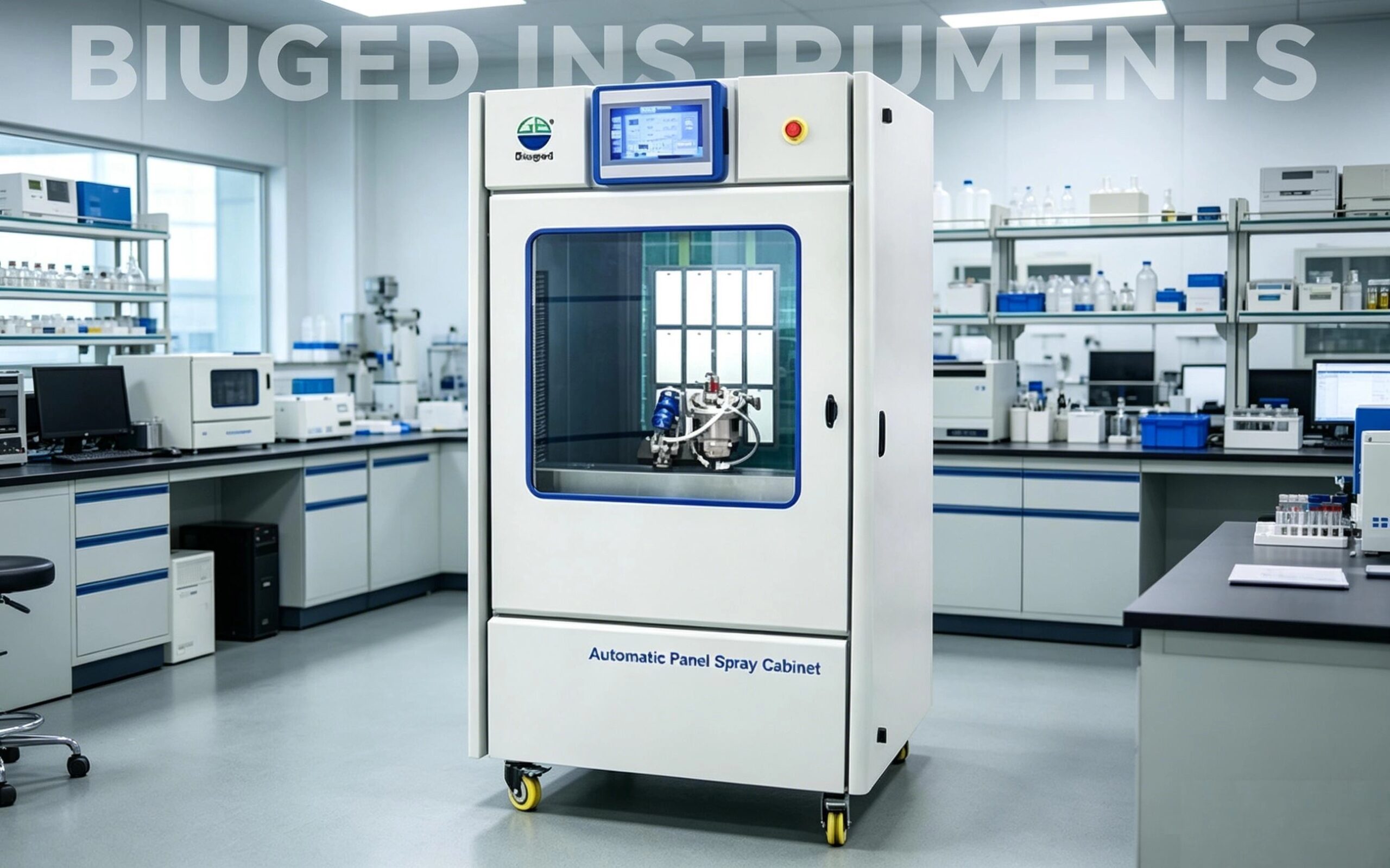
Viable alternatives and when to pick each
Option A: buy a certified turnkey rig when your test method is standard and throughput matters. It’s faster and minimizes validation work. Option B: modify an existing platform when budgets are tight and the core mechanics fit your use case. Option C: design bespoke instruments when sample geometry or unique failure modes require it. Choose based on measurable criteria: cycle time, validation burden, and maintainability. Don’t pick tools because they’re shiny — pick them because they pass your acceptance criteria under the conditions you’ll run tests.
Concrete steps to move from requirements to delivery
Start with a short, realistic user story: who’ll run the test, where, and what data they need. Capture environmental limits and the minimum validation protocol up front. Run a risk review that lists possible failure modes and assigns mitigation owners. Prototype the critical subsystems first — grips, load cells, and data acquisition — then validate them against your acceptance tests. Keep firmware and UI simple; document the manual procedures so a tech can operate the rig without the designer standing over their shoulder. Schedule calibration and spare-part planning before delivery, not after.
Wrap-up — what actually helps you deliver reliable gear
If you want instruments that last and give repeatable data, design from the problem out: tie requirements to who uses the device and the standards they’ll report against, validate early on the subsystems that break most often, and pick the delivery path that matches your validation budget. That practical discipline is what turns a set of specs into dependable test rigs, and it’s the same steady-minded engineering that folks trust at BIUGED.