

Introduction — A Question from Tomorrow
Have you ever wondered what a midnight cityscape will look like when every curb hums with power? In that imagined scene, a dc ev charger is the pulse behind every quiet car, moving energy like a soft tide. Data already tells us EV adoption is rising fast: global sales jumped by double digits last year, and charge networks are expanding to meet it. So, how do we make those chargers not just available, but smart, fast, and kind to batteries?
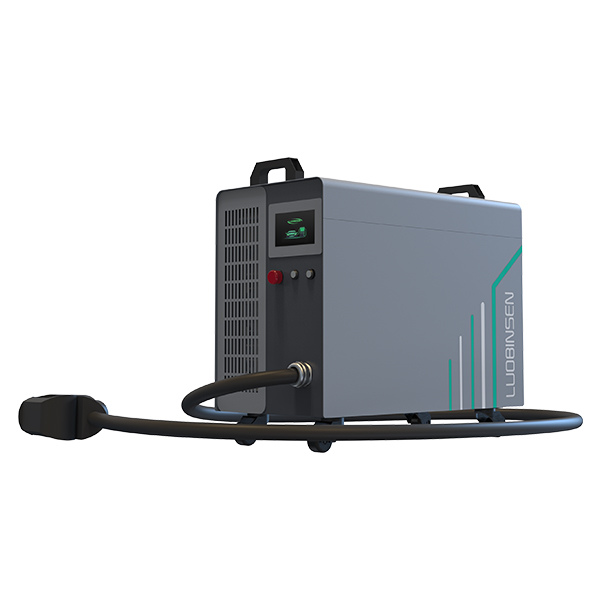
I like to picture a scene where a driver plugs in, and systems talk to each other — edge computing nodes negotiate load, power converters hum, and the battery breathes in current with care (almost poetic, right?). That mix of hardware and software is why I’m here — to dig past the shiny facts and ask what really matters when we choose and use DC charging. Let’s move from the idea to the problem: where do these systems trip up, and what can we fix next?
Where Things Break: Traditional Flaws and Hidden Friction
dc charger for ev installations often look solid on paper, but I’ve seen three recurring issues that frustrate drivers and operators alike. First, many chargers rely on old power converters and inflexible protocols. That leads to slow sessions or mismatched communication with vehicle battery management systems. Second, infrastructure rarely accounts for real-time grid constraints — so chargers either throttle back unexpectedly or cause local outages during peak demand. Third, user experience is frequently an afterthought: confusing interfaces, poor payment flows, and unreliable session data make simple charging feel stressful.
Technically speaking, incompatibilities in DC fast charging protocols (like CCS vs. proprietary systems), weak thermal management, and poor state-of-charge (SoC) handling wear batteries faster than they should. I’ve watched operators install capable hardware but skip proper firmware updates. Look, it’s simpler than you think — maintaining compatibility and software hygiene saves money and time. Also, battery management and inverter efficiency are not glamorous, but they matter to every driver who wants a predictable 20–80% charge in under 30 minutes. — funny how that works, right?
What specific user pains stick out?
Drivers often tell me they fear unpredictable wait times and are tired of “noisy” data — inconsistent session logs, unclear pricing, and failed authorizations. Fleet managers worry about downtime and battery degradation. Installers worry about grid permits and paying for upgrades after the fact. These are not abstract problems; they shape how people choose and trust charging networks.
New Principles: How Modern DC Charging Should Work
We can rethink DC charging around three principles: adaptive power delivery, smarter communications, and clear user feedback. Adaptive power means chargers that modulate current to match battery health and grid conditions. That needs smarter converters and faster telemetry between the charger and the vehicle’s battery management system. Smarter communications means supporting modern protocols, fast firmware over-the-air updates, and edge computing nodes to handle local decision-making. And finally, clear feedback — simple screens, mobile prompts, and reliable receipts — keeps people calm and confident.
Take for example a next-gen dc wallbox ev charger that talks directly to a vehicle’s SoC sensor. The charger adjusts current ramp rates to protect the battery and reduce peak strain on the local grid. In practice, we get shorter average wait times and longer battery life. I’m optimistic about these moves. They’re not magic. They are engineering choices that require better firmware discipline, standardized protocols, and modest sensor upgrades.
Real-world Impact
When fleets adopt these principles, I’ve seen measurable gains: lower downtime, clearer billing, and fewer emergency repairs. Users feel more trust in the network. Operators recover costs sooner because chargers last longer and require fewer emergency fixes. The payoff isn’t theoretical; it’s seen in usage patterns and reduced maintenance tickets. — and yes, it changes how people think about driving electric.
Closing: How to Evaluate DC Charging Solutions
I want to leave you with three practical metrics I use when evaluating chargers. These help me make decisions for clients and for my own commute.
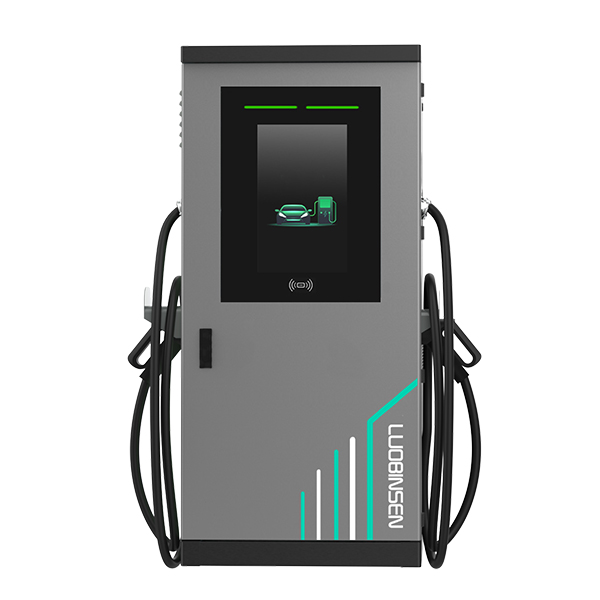
1) Protocol Flexibility — Does the unit support current standards and receive timely firmware updates? This affects compatibility and future-proofing. 2) Smart Power Management — Can the charger modulate delivery based on SoC and grid signals? That reduces battery wear and avoids local overloads. 3) User Reliability — Is the UX clear, are payment systems consistent, and does the service offer dependable session data? Trust matters more than specs on paper.
I’ll be frank: no single number tells the whole story. You’ll want a balanced view across hardware robustness, software support, and user experience. I recommend testing a unit in real use for a month before scaling installations. If you want a practical partner who builds to those standards, check out Luobisnen — I find their approach pragmatic and focused on real-world needs.