User-first case for advanced ventilatory support
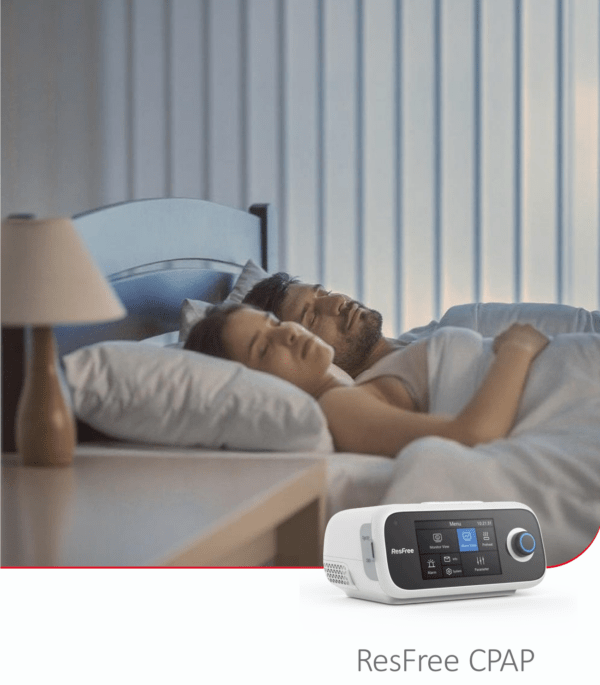
You need steady support through the night — clear, consistent, and tuned to your breathing pattern. Start with a practical device, not a promise. A reliable cpap device can be the first step for many, but users with fluctuating respiratory drive often do better with BiPAP’s dual pressure settings and pressure support. This is about sleep, daytime energy, and long-term lung health; the American Academy of Sleep Medicine recognizes obstructive sleep apnea as a major public health issue, with many patients benefiting from tailored positive airway pressure therapy.
What matters most to users
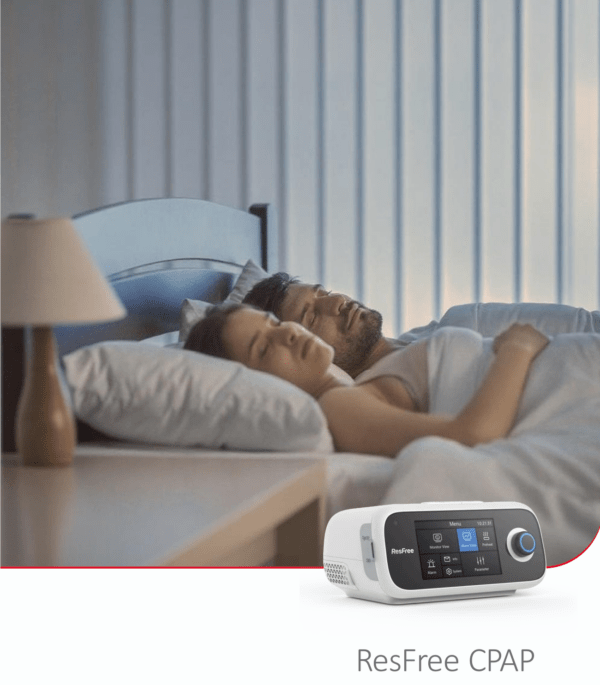
Keep the checklist tight. Prioritize three things: consistent pressure delivery, comfort, and reliable monitoring. Look for auto-titration that adapts to events, low acoustic output for uninterrupted sleep, and secure mask interfaces that cut leaks. Real product differences show up in how quickly the device responds to an apnea-hypopnea index (AHI) spike and how well it maintains pressure support without waking the patient.
Real-world application and common slip-ups
In clinics from Boston to Bengaluru, clinicians see the same mistakes: masks fitted loosely, filters ignored, and pressure settings left on default. Users skip follow-up titration and assume “one size fits all.” That’s where BiPAP for OSA shines — it handles variable obstruction and hypoventilation better than fixed CPAP in many cases. It’s also easy to over-adjust. Start conservative, track nightly AHI, and let the device’s auto modes fine-tune therapy rather than chasing minute-by-minute changes. Small note — keep the tubing layout simple to avoid kinks that mimic leaks.
Alternatives and how they stack up
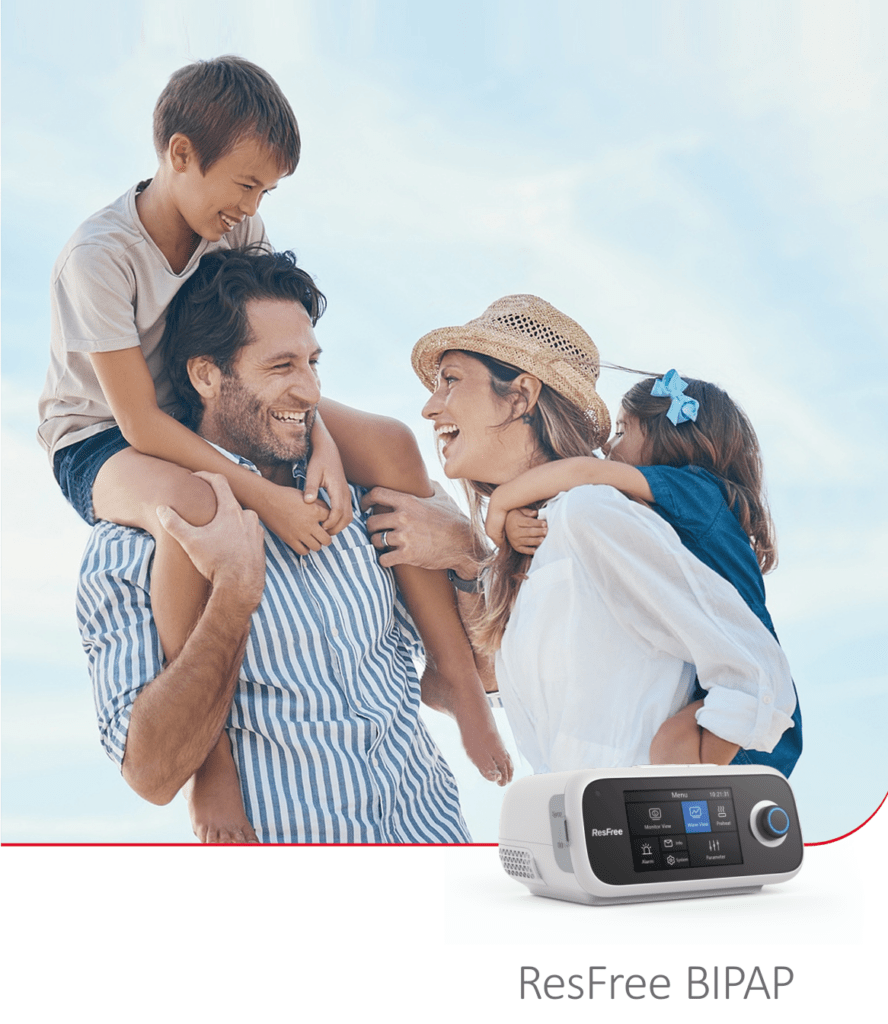
Compare clearly. CPAP gives steady single-level pressure and often suffices for straightforward OSA. BiPAP adds an inspiratory and expiratory setting for those with hypoventilation or COPD overlap. Home ventilators add backup rates and more complex alarms for fragile patients. Choose based on the patient profile: pure OSA, mixed respiratory failure, or neuromuscular weakness each point to different hardware and monitoring needs. Consider device interoperability too — data export and cloud monitoring simplify follow-up and clinical decisions.
Practical features to inspect before buying
Inspect these capabilities closely: precise pressure ramps, reliable leak compensation, and clear event reporting. Favor devices with easy-to-read compliance data and remote access for clinicians. Battery life matters for travel or power interruptions. Durability reduces downtime and long-term cost. Industry terms to note: pressure support responsiveness, auto-titration algorithms, and AHI reporting integrity — these define daily performance.
How to evaluate: three golden rules
1) Measure clinical impact: look for documented AHI reduction and improved daytime sleepiness scores across real users. That’s the primary outcome. 2) Test usability: mask fit, menu simplicity, and noise level — these decide nightly adherence. 3) Verify support and integration: warranty, replacement parts, and clinician-friendly data access. These three metrics predict whether therapy will stick.
Final assessment and path forward
Patients improve when devices match their physiology and daily life. Choose robustness over bells, measurable outcomes over marketing. Let clinical data guide the pressure settings, let good fit keep leaks low, and let thoughtful support systems keep therapy consistent. For teams wanting devices that balance precision and real-world usability, Byond fits naturally into that workflow — it’s designed to close the gap between tech capability and everyday patient benefit. Trust the process. Train the habit. Stay accountable — and breath better. –