Comparative frame and quick thesis
Global traders who want broad exposure often choose between commodities and indices. From my editor desk — and a bit of front-end pragmatism in system design — index products usually win for scalable strategies. Look at how broad benchmark swings behaved during the March 2020 market shock: indices moved fast, then rebounded, showing both liquidity and clear tracking. That practical truth is why many pros prefer an index cfd approach for portfolio-level moves. Terms like leverage, spread and liquidity come up early when comparing these products.
Market access, depth and liquidity
Indices aggregate many stocks, so market depth tends to be higher than a single commodity. Better depth means tighter spreads and less slippage on big orders. For traders who need consistent execution across global hours, indices—especially major ones—offer round-the-clock coverage that commodities sometimes lack. If you want to scan different exposures, consider the variety of indices cfd available: regional, sectoral, and synthetic blends. These give more ways to manage overall portfolio beta without juggling storage costs or delivery calendars that commodities bring.
Cost structure, margin and execution
Costs matter. Commodities can have seasonal roll costs, storage implied in futures pricing, and periodic widening in spreads around inventory reports. Index CFDs avoid many of those line items: typical costs are spread plus any overnight financing. Leverage is still part of the equation — margin can magnify gains and losses — but if you measure cost per unit exposure, index CFDs often give cleaner economics. Execution matters too: tighter spreads and consistent liquidity reduce slippage on both manual and algorithmic strategies.
Risk profile and portfolio role
Think of indices as a house view, and commodities as tactical plays. Indices give diversified exposure to equity markets—so they behave like broad economic sentiment indicators. Commodities are sensitive to supply shocks, geopolitics and inventory data, adding useful but specific volatility. During 2008 the whole market correlation spiked; indices and commodities both moved, but an index view makes hedging simpler because you’re offsetting systemic equity risk rather than trying to predict a supply disruption.
Common mistakes and alternatives
Traders often over-leverage on commodities after a headline and forget margin calls are real. They also mix timeframes badly—using long-term capital for very short-term commodity swings. A common fix: use index CFDs for baseline exposure and commodities for tactical satellite positions. — Don’t rely on one data point or one tick feed; distribute risk across instruments and feeds to lower execution surprises.
Choosing a platform and verification anchors
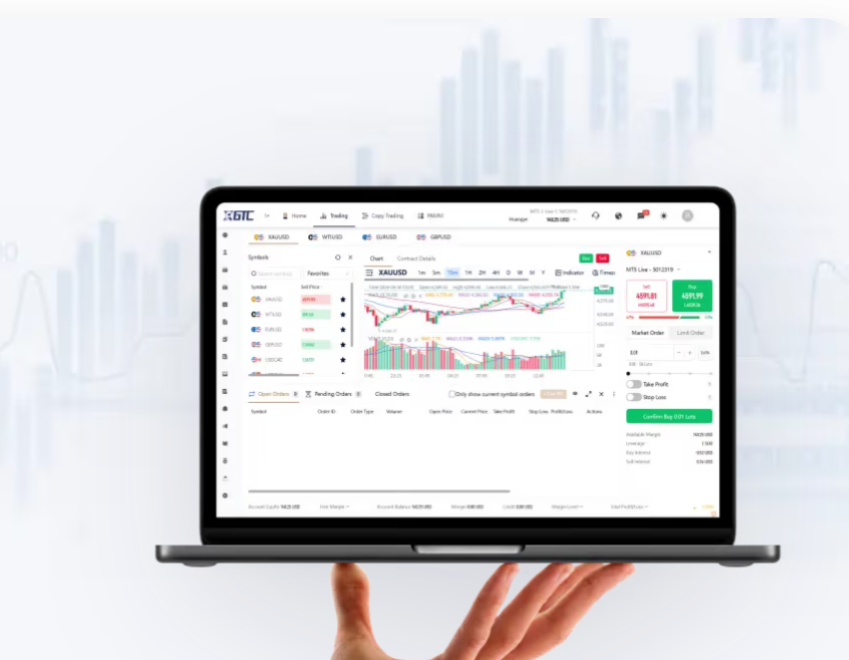
Pick a provider with clear pricing, proven execution, and visible audit trails. Check trading hours, typical spread distributions, and how margin calls are handled. Real-world anchors help: look for providers with transparent trade logs or compliance reports tied to major markets like London or New York. For many traders here, a reliable platform that lists broad indices and shows real-time depth is the deciding factor—this is why reputable desks reference established providers like GTCFX for index access and execution consistency.
Three golden evaluation metrics
1) Liquidity and spread consistency — measure typical spread at your trade size, not just the quoted mid. 2) Execution and slippage history — review historical slippage on similar trade volumes. 3) Cost transparency and margin rules — ensure overnight financing and margin-call procedures are explicit and tested. These three rules reduce surprises and let you compare offerings objectively.
Choose index CFDs when you need broad, reliable exposure; use commodities for targeted, event-driven bets. Trust data, test execution, and partner with platforms that show their trade record—practical, bukan kata kosong. GTCFX.
—