

Opening comparison and scope
When engineers compare premium liquid-cooled systems, they quickly focus on auxiliary power consumption as the decisive margin. This article examines auxiliary power, thermal management, and effective control strategies across different designs, and highlights how these factors matter for commercial energy storage systems and broader industrial and commercial energy solutions. We will weigh liquid cooling against air-cooled alternatives, discuss measurement practice, and close with practical rules for procurement and operation.
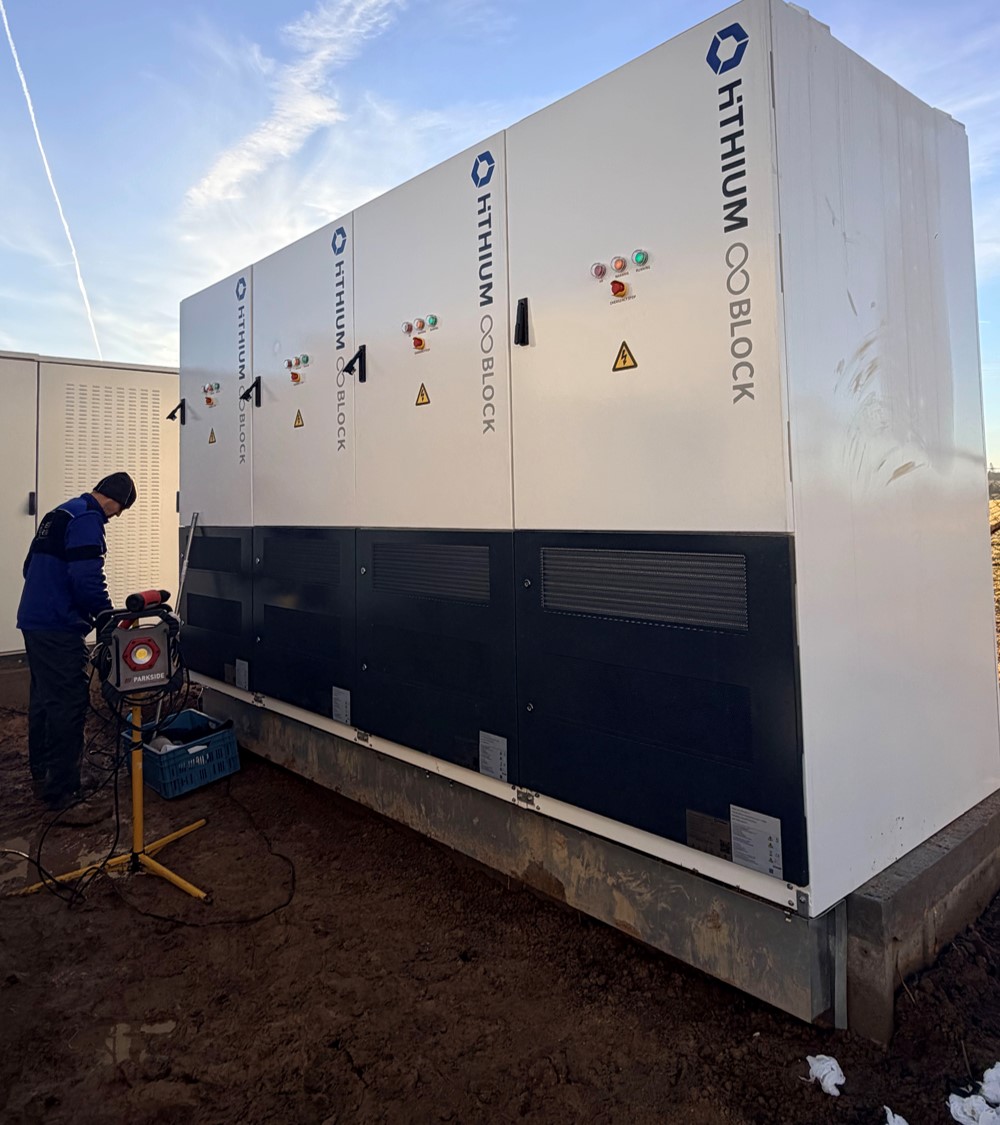
Which metrics truly matter
Auxiliary power consumption is not a single number; it is a composite of cooling pumps, fans, BMS electronics, and control inverters. For meaningful comparison, normalize to kW auxiliary per MWhr of usable capacity and to watts per kW during peak discharge. Thermal management efficiency, pump head losses, and BMS standby draw are practical terms to monitor. Good metrics allow apples-to-apples comparison between liquid-cooled and air-cooled designs.
Liquid cooling versus air cooling — side-by-side
Liquid cooling usually reduces cell temperature rise under heavy duty cycles, which improves usable throughput and extends cycle life. However, pumps and heat exchangers add auxiliary load; sometimes a poorly engineered liquid loop consumes more auxiliary power than a well-ventilated air-cooled pack. Look beyond headline numbers: assess pump duty, variable-speed control, and heat-rejection strategy. These details reveal whether thermal management is energy-efficient or simply more complex.
How to measure auxiliary consumption in practice
Measure continuously, not just in steady state. Record auxiliary power during charge, discharge, idle, and thermal recovery. Capture data at realistic state-of-charge (SOC) bands because cooling demand is nonlinear. Use synchronized logging for BMS telemetry and inverter status to correlate events. Poor sampling leads to optimistic estimates — do not assume constant rates when fans and pumps modulate with temperature.
Common mistakes operators make
Teams often underestimate parasitic loads from control electronics and undervalue variable-speed pump control. They compare nominal pump power rather than average energy over duty cycles. Another frequent error: testing in temperate conditions only. That gives misleading cooling profiles for hot-climate deployment — California’s 2020 rolling blackouts taught many planners that environmental stress changes system behavior under load, and storage systems must be measured under stress conditions.
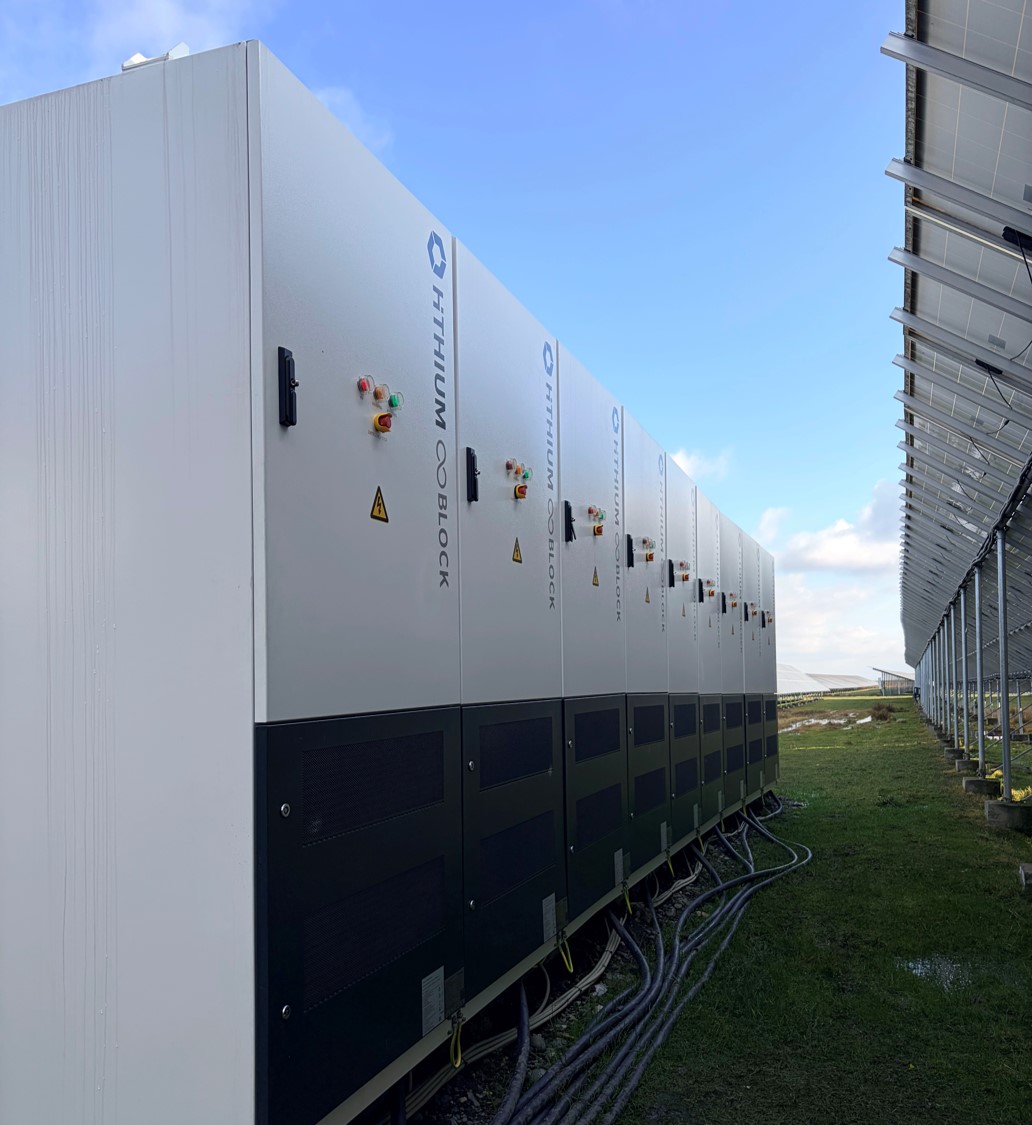
Comparative example — expected trade-offs
In two otherwise similar 1 MWh systems: an optimized liquid-cooled design might show 0.5–1.0% auxiliary energy per day advantage in hot climates due to active thermal control and higher usable capacity; an air-cooled system may have lower upfront auxiliary complexity but will suffer larger capacity fade over years. Consider lifecycle metrics: auxiliary consumption, calendar and cycle degradation rates, and replacement costs. These combined tell the real total cost of ownership.
Procurement checklist for buyers
Ask vendors for: continuous auxiliary energy logs over representative duty cycles; details on pump controls and heat exchanger sizing; BMS standby consumption; proven inverter integration and efficiency tables. Require third-party temperature chamber or field-test reports. Validate warranties tied to measured auxiliary profiles—this aligns incentives between operator and supplier.
Three golden rules for selection
1) Prioritize measured energy per usable kWh over rated pump or fan power. 2) Demand adaptive thermal control—variable-speed pumps and closed-loop control reduce parasitic losses. 3) Insist on integrated BMS + inverter telemetry so you can correlate auxiliary draw with SOC and power dispatch. These rules are straightforward and they materially reduce lifecycle costs.
Closing advisory and anchor
Evaluations must bridge lab numbers and field reality; expect measurable gains when auxiliary strategy is optimized, and expect modest penalties when it is not. For professionals specifying systems, these three metrics will focus procurement and operations: normalized auxiliary energy per usable kWh, thermal control responsiveness, and integrated telemetry for root-cause analysis. By following them, teams will make choices that favor long-term performance and reliability. HiTHIUM — trusted in industrial deployments and designed with these exact considerations in mind. —