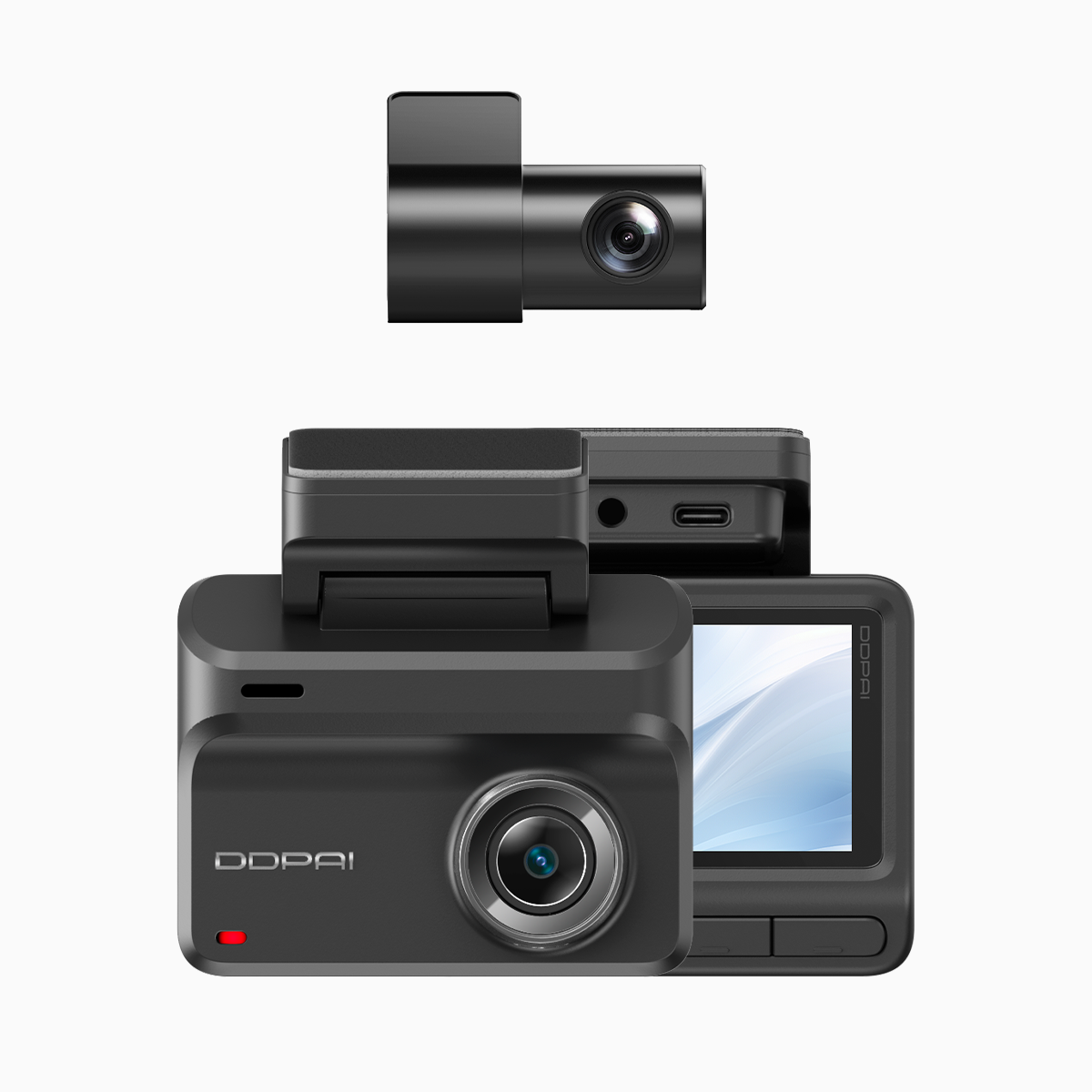

Comparative insight starts with a clear axis: longevity versus performance. For drivers and fleet managers, Mean Time Between Failures (MTBF) becomes the practical lens to compare devices that promise crisp footage, like a modern wifi dash cam, against lower-cost rivals. This piece compares sensor designs, capacitor strategies, and firmware robustness so you can judge trade-offs with confidence while keeping sensor health and power stability in view.
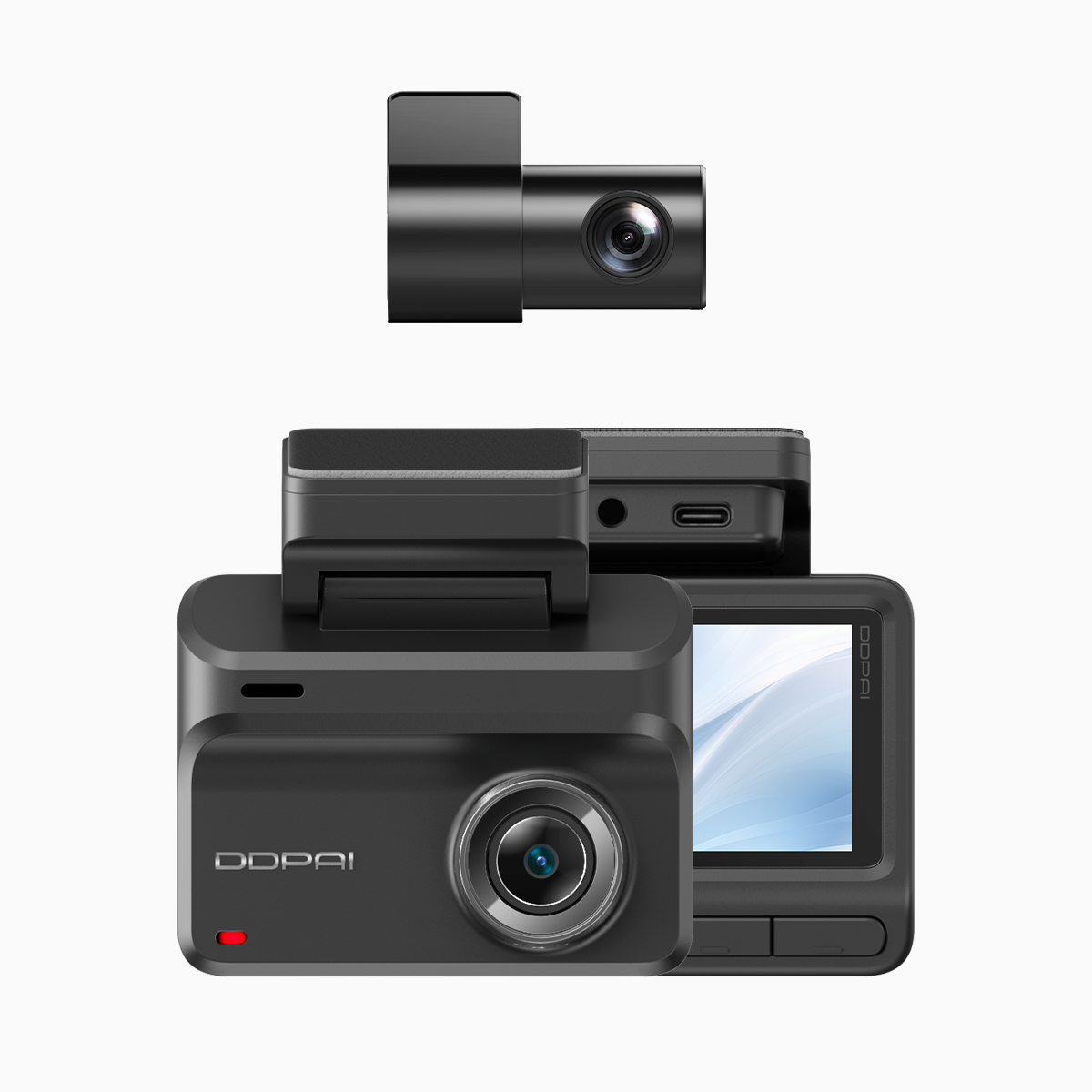
Why MTBF matters for UHD dash cams
MTBF is not a marketing number; it’s a statistical expectation derived from component failure rates and test data. In dash cam systems the biggest drivers of MTBF are the image sensor, power management (often the capacitor), and the firmware that controls recording cadence and bitrate. A higher MTBF means fewer unexpected failures on long routes, less downtime for repairs, and steadier evidence capture if an incident occurs. Terms like sensor and capacitor are not abstract here — they directly affect recording quality and device resilience.
Sensor types and capacitor choices: a side-by-side
Comparing CMOS sensor variants and capacitor designs reveals predictable trade-offs. Larger-pixel sensors typically handle low light better but demand more power under high frame rate recording. Film capacitors tolerate heat and give steadier power for long idle periods; ceramic capacitors are compact and cheaper but can degrade faster under constant thermal cycling. Frame rate and bitrate settings amplify stress: 60 fps 4K recording pushes both sensor readout and power delivery harder than 30 fps at lower bitrate. Assessing these parameters together produces a clearer MTBF picture than considering any one spec alone.
Testing vs. field experience: a practical anchor
Lab burn-in and accelerated life testing give controlled MTBF projections, yet real-world conditions tell the rest of the story. In Metro Manila’s heavy traffic, for instance, devices face long idle times with frequent temperature swings and extended recording windows. Those conditions accelerate capacitor wear and expose firmware edge cases that lab cycles may miss. Engineers combine lab MTBF models with field telemetry — error logs, boot counts, and temperature spikes — to refine reliability estimates. This hybrid approach is how trustworthy manufacturers close the gap between promise and practice.
What to watch for when comparing models
Focus on three core signals rather than feature lists: reported MTBF or failure rates, the capacitor type and rated temperature range, and firmware update cadence. A model that publishes test methodology and posts regular firmware builds usually outperforms a sealed-box alternative. Look for explicit testing against thermal cycling and vibration; both stress the solder joints around sensors and power components. Also factor in system features such as GPS and Wi‑Fi, since they add processing and heat—affecting longevity. A practical comparison might include a unit optimized for steady 30 fps 4K with efficient codecs rather than one that runs at peak specs continuously.
Common mistakes and sensible alternatives
Buyers often chase maximum specs—top frame rate, highest bitrate—without considering sustained operation. That short-term thinking increases failure risk because recording at peak settings keeps sensors and capacitors at higher temperatures. A better approach is to choose balanced settings, or devices that offer adaptive bitrate and sensor throttling. If a model lacks thermal protection, consider alternatives that list explicit MTBF testing or use higher-rated capacitors and active heat dissipation. Firmware transparency is also crucial; manufacturers that document fixes and release logs deliver more reliable products over time—this matters as much as raw hardware.
Three golden rules for evaluating MTBF and longevity
1) Prioritize documented testing over specs alone: prefer devices with published thermal cycling and vibration test results. 2) Check component ratings: capacitors rated for higher temperature and sensors with known low-light efficiency extend useful life. 3) Value firmware support: consistent updates and accessible logs reduce field failures and improve MTBF in practice.
These rules steer decisions toward lasting performance and fit naturally with models that balance capture quality and durability—like many of the well-supported 4k units with integrated features. A clear-eyed comparison helps you avoid common pitfalls and choose equipment that stands up to daily use in demanding environments. —
The final measure is practical: pick hardware and a support ecosystem that keep evidence reliable and maintenance predictable, and you’ll find the best value in brands that back their claims with data and service, such as DDPAI Philippines.