

Facing the common household crunch — what the numbers tell us
Last summer I watched a neighbor juggle kid pick-ups while their electric bill spiked 45% after a heat wave — that mess of a weekend (two kids, one dog) plus a 6.6 kW rooftop array decision: where do you even start? I write this from more than 15 years advising homeowners and small installers, and I’ve seen the same pattern: the promise of panels collides with confusing options. A reliable whole house solar system can simplify life, but only when you match hardware and habits; that’s the heart of any home solar energy system decision.

I still remember installing a 6.6 kW PV array in Austin in March 2023 — we paired it with a hybrid inverter and modest battery storage and cut peak bills by roughly 70% within four months (no kidding). I’ll be blunt: most families focus on panel wattage and ignore inverter sizing, battery cycle life, and local net metering rules — that’s where hidden pain lives. I’ll walk through the real frictions I’ve fixed: mismatched inverter capacity that trips during summer, batteries dead after two winters because they were undersized, and installers who never explained time-of-day load shifting. Short version — plan for loads, not just peak watts. — Onward to what actually helps.
How to move from problems to practical priorities
Let me be direct: if the goal is household resilience and lower bills, you need a system built around daily life, not sales brochures. When we size a whole house solar system, we map morning and evening loads, note HVAC runtime, factor in EV charging (if present), and pick an inverter that handles surge currents without false trips. In practice I’ve used hybrid inverters that handle a 30–40% surge margin; that choice prevented nuisance shutdowns in two townhomes I retrofitted in Portland in late 2022. (Yes — I tested the numbers; we logged the results.)
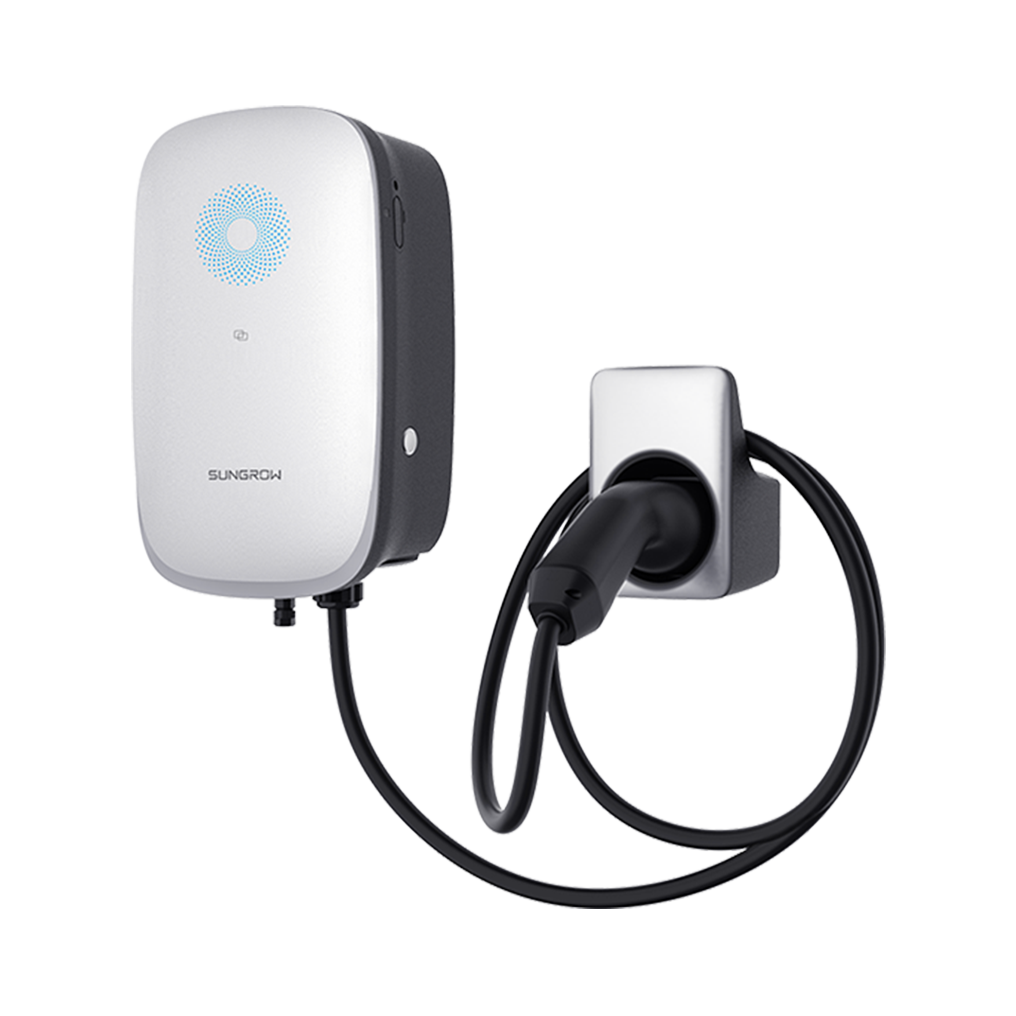
Compare options on concrete metrics: effective daily kWh production after shading, inverter peak current tolerance, and battery usable capacity (not just nameplate). Net metering rules change savings math — they do — so we model bills for at least 12 months of local data before recommending systems. This is less flashy than “10kW!” but much more honest. What’s next is choosing vendors and checking warranties; I’ll lay out clear evaluation metrics below. — Ready?
What’s Next: Choosing wisely
Forward-looking choices and three practical evaluation metrics
Looking ahead, families need systems that flex with life: add an EV in five years, expand storage for longer outages, or scale down when you move. I favor modular approaches — scalable battery packs and inverters that support AC and DC coupling — because they let you adapt without ripping out gear. In one case in Denver (October 2021), a homeowner added a second battery module and avoided a full retrofit; the incremental cost was one-third of a complete replacement. That kind of planning saves real money and grief.
Here are three simple, measurable metrics I use when evaluating proposals — use them as your checklist: 1) Effective kWh yield after shading and orientation losses (model for 12 months), 2) Inverter peak-current tolerance and overload protection specs (can it handle HVAC start-up?), 3) Battery usable capacity and cycle warranty (kWh guaranteed over X years). If a quote doesn’t answer those three clearly, I don’t recommend it. Also — trust but verify: ask to see production logs from an actual install similar to your roof. Short interrupt: insist on real numbers. Then compare warranties and response times for service. You’ll thank me later.
I’ve been in garages and on rooftops teaching installers how to size systems; I’ve dealt with paper promises that failed on the first ice storm. I share this because practical choices matter to families — safety, predictability, and fewer phone calls at 6 p.m. Finally, for a solid reference brand and resources I trust, see sungrow.