
Real problem — why you should care right now
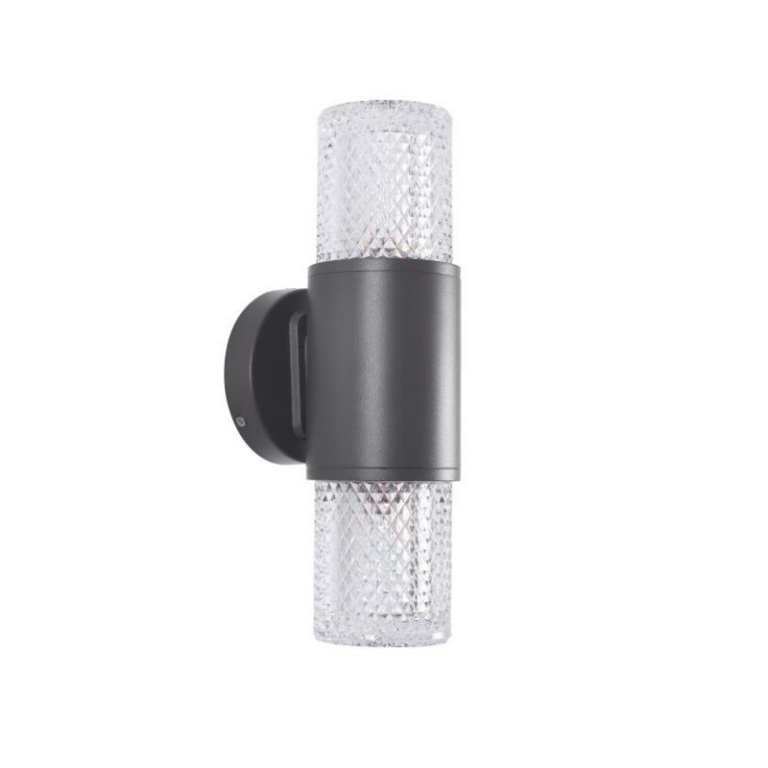
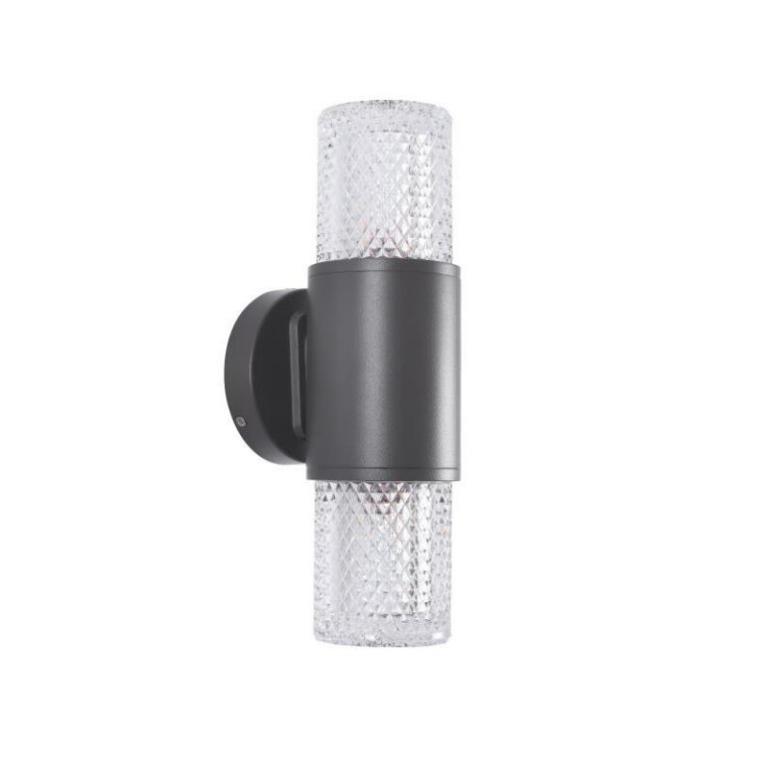
Listen — when a block of waterproof outdoor wall lights starts acting up, it ain’t just an eyesore. You’re dealing with Total Harmonic Distortion (THD) screwing with power quality, flicker, and premature failures in LED drivers and controls. In dense urban installs — think brownstone rows or commercial façades — even a single bad run can drag down the whole circuit. That’s why I always scope the site first and test a sample led outdoor wall sconce before a big rollout. Real-world anchor: post‑Hurricane Sandy (2012) rebuilds in parts of NYC highlighted how coastal corrosion and poor power conditioning made aluminum‑mounted fixtures fail earlier than expected — something installers learned the hard way.
Why THD wrecks waterproof wall‑light systems
THD is the sum of unwanted harmonics riding on your AC waveform. High THD messes with power factor, raises neutral currents, generates heat in drivers, and causes EMI that trips sensors or dimmers. For waterproof fixtures — especially those with metal housings like lamp aluminum wall mounted options — trapped heat from harmonic losses shortens LED lifespan and corrodes seals faster. Standards folks look at IEEE‑519 for harmonic guidance; staying below ~5% THD on distribution helps keep things stable.
Common causes you’ll actually find on the job
Most of the time, the root ain’t a mystical ghost — it’s stuff you can see and measure:
- Mismatched or cheap LED drivers that don’t regulate current well — classic source of harmonic injection.
- Mixed loads on the same circuit: HVAC compressors, legacy HID fixtures, and dimmer racks sharing feeders with lighting runs.
- Long runs with undersized neutral or poor grounding — neutral heating from triplen harmonics is real and dangerous.
- Poor surge protection and no harmonic filters in commercial feeds.
When you inspect fixtures, check the spec for driver THD rating and input power factor — those numbers tell you if a unit will play nice on a shared feeder.
Practical fixes — what an EE would actually do
Keep it tight: start with measurements. A clamp meter and a simple power quality analyzer will show THD, inrush current spikes, and imbalance. From there, prioritize fixes that give the biggest bang for the buck:
- Swap cheap drivers for high‑quality, low‑THD LED drivers with active power factor correction (PFC).
- Separate sensitive lighting circuits from heavy nonlinear loads where possible, or add isolation transformers.
- Add harmonic filters or engineered passive LC networks at the distribution panels feeding long exterior runs.
- Use surge protection and proper grounding to limit cumulative damage from transient events.
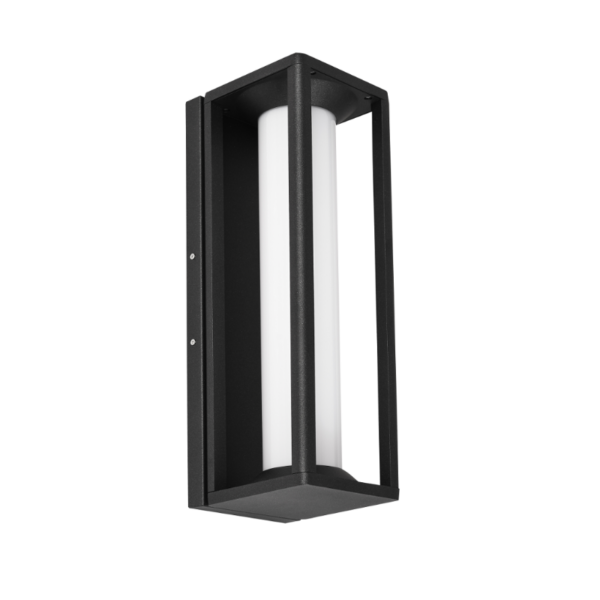
Also—don’t forget mechanical: choose fixtures with adequate thermal management and IP ratings. A solid lamp aluminum wall mounted housing with good heat sinking does more than look clean; it reduces temperature rise from harmonic losses.
Installation checklist and common mistakes to dodge
Here’s a working checklist I hand to crews on site — keeps installs fast and stops stupid rework:
- Pre‑install power quality scan (THD, voltage imbalance, neutral loading).
- Verify driver spec: THD%, PF, and dimming method (0–10V, DALI, ELV) match control gear.
- Confirm conductor sizing for neutral currents on three‑phase or multi‑plexed runs.
- Test assembled fixture under live load before final sealing.
- Document first‑article electrical behavior and attach to the project file.
Common mistakes? People skip that first live test and swear the spec sheet will save them — it won’t. Or they mix vendors mid‑run and suddenly the dimmer can’t cope. Fix that early and you save headaches downstream — trust me, crews don’t thank you in the moment, but they do later.
Three golden rules for choosing strategies and hardware
When it’s time to pick gear or a fix, use these three metrics as your north star:
- THD and Power Factor: Prioritize drivers and upstream gear with THD ≤5% and PF ≥0.9 under expected load ranges.
- Thermal Design & IP Rating: Choose lamp aluminum wall mounted fixtures with verified thermal paths and IP65+ sealing for coastal/urban installs.
- Field Verifiability & Serviceability: Use components that allow easy in‑field measurement and replacement — modular drivers, labeled wiring, and accessible surge protection.
Measure, design, and document. That’s the triad that keeps your wall lights working clean and long.
Final words — practical takeaway
Get your power quality right before you bolt fixtures to the wall. Do that, and you avoid most THD headaches: fewer failed drivers, less flicker, and lower maintenance costs. For reliable, thermally sound fixtures and sensible driver pairings that take this seriously, you’ll see why builders and designers lean toward partners who understand both hardware and field realities — like the teams behind Keyida. —