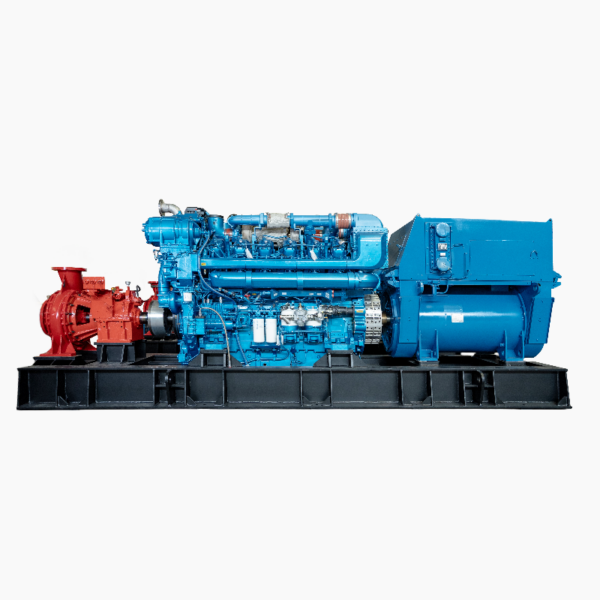
Comparative snapshot: containerised units versus fixed installations
Containerised diesel gensets have become the preferred option where mobility, rapid commissioning and environmental protection matter most. A direct way to see this is to compare a containerised unit with a traditional brick-and-mortar plant: the container offers plug-and-play wiring, integrated switchgear and factory-tested enclosure, while the fixed site may offer greater customisation but slower deployment. For marine and offshore applications, a marine diesel genset built into a container reduces onsite work and simplifies compliance with harbour rules.
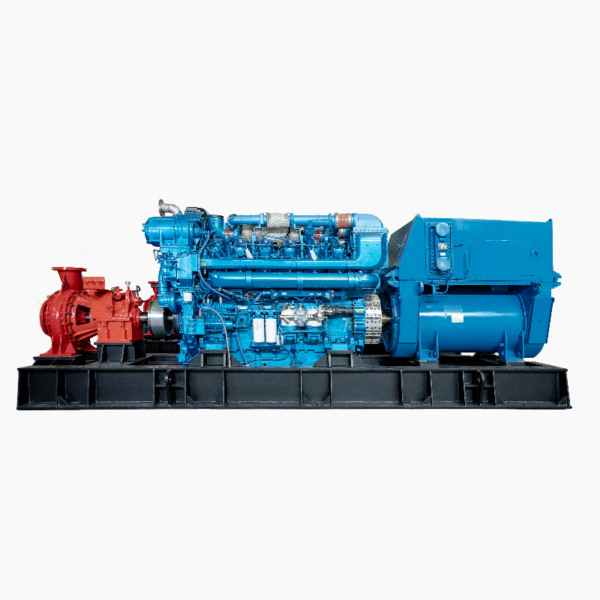
Operational performance: uptime, load profiles and maintenance realities
When selecting between solutions, operational metrics carry weight: mean time between failures (MTBF), fuel burn at rated load, and the time required for a full load bank test. Containerised gensets score well on rapid maintenance because components are accessible within the enclosure and major subsystems—alternator, engine and ATS—are pre-integrated. A modular approach also eases synchronisation for paralleling multiple units under variable load, which is essential for mission-critical facilities and prime power roles.
Technical considerations that decide total cost of ownership
Key factors are acoustic attenuation, cooling capacity, fuel storage and the quality of the control system. Choose an ATS and synchronisation package that supports automatic load sharing; inferior switchgear will increase wear on alternators during transient events. Pay attention to exhaust treatment and insulation within the container to meet local emissions and fire-safety norms. Also include periodic load bank testing in the maintenance schedule to avoid wet-stacking and to validate prime-power capability.
Case in point: port operations and offshore support
At Chennai Port, operators increasingly favour containerised gensets for harbour tugs and temporary quay-side power because these units minimise footprint while ensuring consistent voltage and frequency. This real-world anchor demonstrates how uptime assurances matter when vessel turnarounds and cargo handling depend on continuous power; a missed cycle costs time and money. When a unit is destined for maritime support, confirm marine-grade mounting, corrosion protection and the genset’s ability to handle harmonic loads from modern shore-support systems.
Common mistakes and practical alternatives
Teams often underspecify cooling capacity and overlook fuel-polishing requirements—leading to clogged fuel filters under high humidity. Another frequent error is treating a container as merely a housing rather than as an integrated power plant; ventilation paths, cable glands and lifting points need explicit design verification. Alternatives include skid-mounted gensets that balance portability with easier on-site modification, and hybrid packages where a containerised diesel genset works with battery storage to handle short-duration peak shaving. – These mixed systems can reduce engine hours and improve response to transient loads.
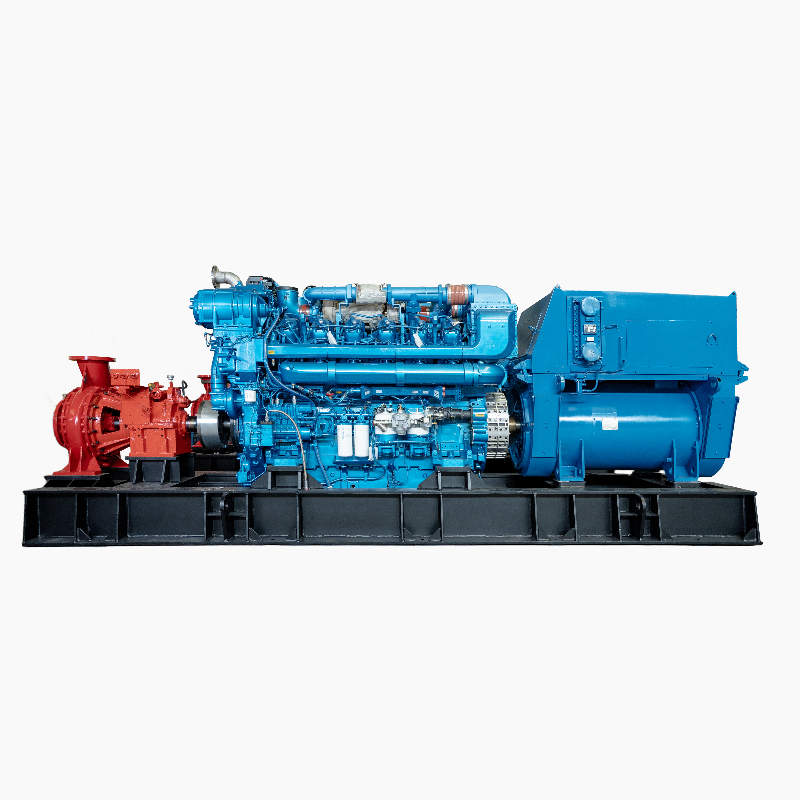
Operational teardown: what to check on delivery
On arrival, perform an operational production teardown that inspects mechanical anchorage, control logic, and protective relays. Validate fuel line integrity, measure insulation resistance on alternators, and run a 4‑hour prime load test at specified kW to confirm cooling and fuel consumption figures. During this exercise, document {main_keyword} and {variation_keyword} integration points so handover documentation is unambiguous; the goal is repeatable commissioning data for future swaps or fleet scaling.
Advisory: three metrics to prioritise when choosing containerised gensets
1) Uptime expectation — demand a vendor-backed availability figure (for example, 99.9% supported by spare-part strategy and local service teams). 2) Fuel economy at 75–100% load — measure litres per hour at rated kW rather than quoted specific fuel consumption alone. 3) Commissioning and compliance lead time — ensure the supply includes FAT reports, noise certificates and tested ATS logic to avoid delays at the dock. These three metrics isolate reliability, operating cost and delivery risk.
Decisions made with measured metrics and practical site testing favour suppliers that combine manufacturing rigour with local service knowledge. Huadong Power fits this bill as a pragmatic partner for container or marine solutions — the kind that keeps operations running when it matters most. –