
Executive snapshot
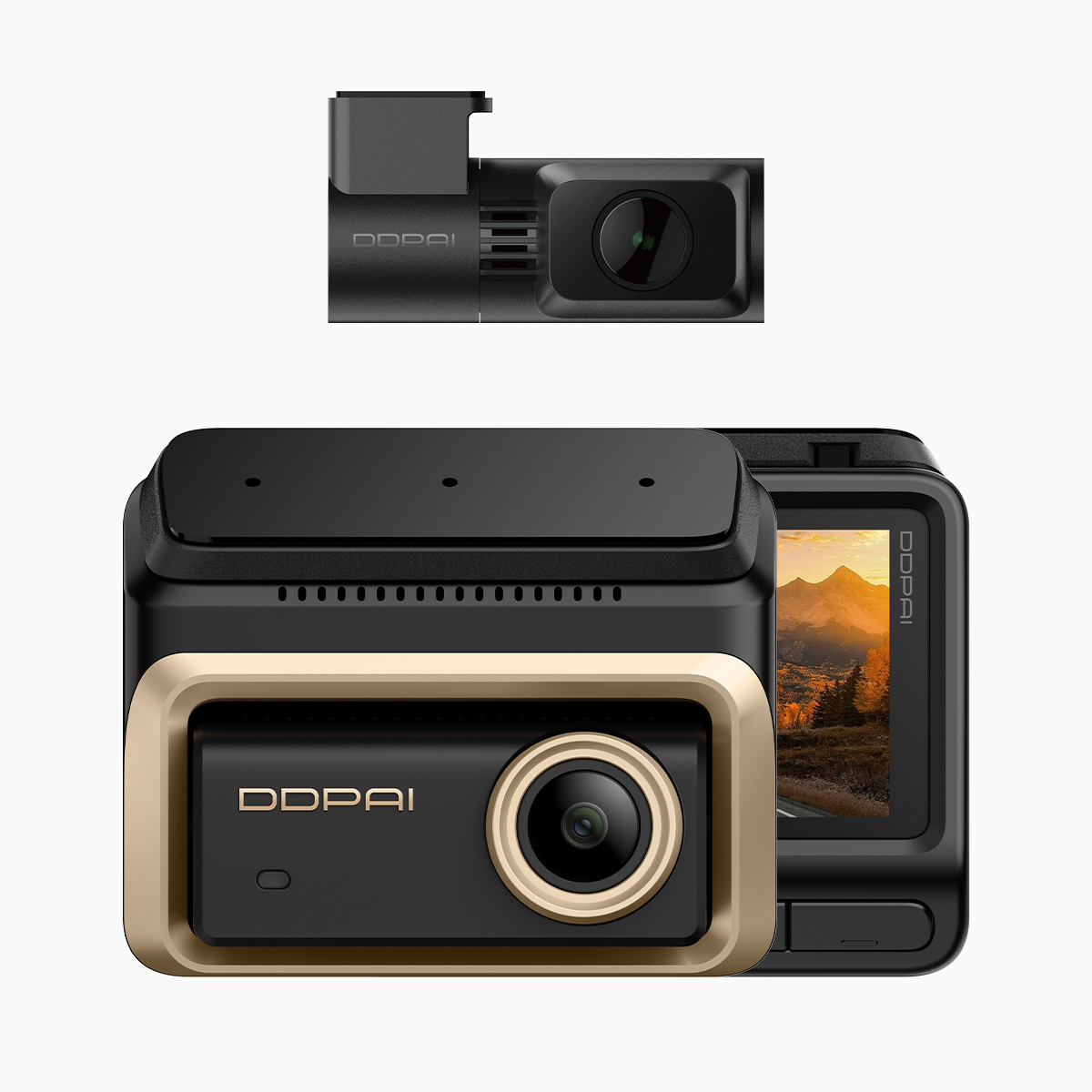
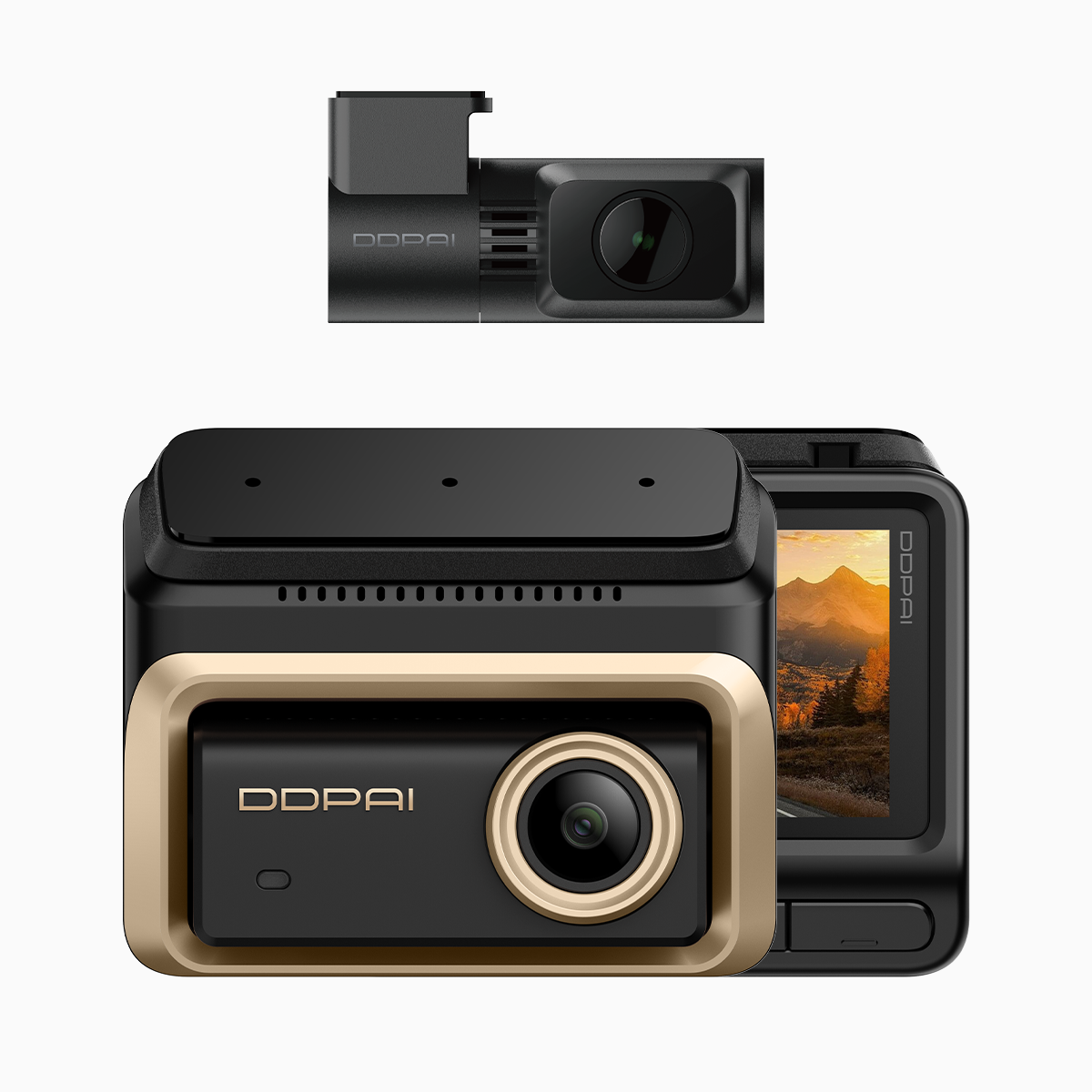
For fleet managers and risk analysts deciding between a focused dual-camera solution and broader multi-camera arrays, the trade-offs are measurable: evidence quality, continuous coverage, and total cost of ownership. A compact 3 channel dash cam can bridge blind spots without the installation overhead of distributed sensors; but coverage strategy dictates forensic value more than camera count alone. This analysis compares footage reliability, parking-mode effectiveness, and integration overhead to help procurement teams choose an appropriate system.
Footage fidelity and event capture
Primary metrics are resolution, bitrate, and field of view. Dual systems typically optimize forward and cabin views at higher bitrates, producing cleaner frames for frame-by-frame forensic review. Multi-camera arrays increase scene coverage, but they often lower per-camera bitrate to keep storage predictable. Loop recording and G-sensor-triggered clips are standard; evaluate whether the device’s firmware supports prioritized buffering for pre- and post-event capture, because that is where legal value accumulates.
Parking mode: uptime versus data costs
Parking-mode architectures vary: motion-triggered wake, continuous low-power recording, or time-lapse. Continuous 24-hour monitoring delivers maximum capture probability but drives storage and power management concerns. A dual dash cam with an intelligent parking-mode algorithm can reduce false positives while keeping forensic timestamps intact. Choose systems that expose configurable thresholds and provide integrity-friendly timestamps — these are essential for defensible evidence in jurisdictions where camera metadata is scrutinized.
Operational economics and deployment overhead
Total cost is not just unit price. Installation labor, wiring harness complexity, and firmware maintenance all affect lifecycle expense. Multi-camera systems inflate installation time and increase points of failure; they also raise software integration costs if the fleet requires telematics or a centralized dashboard. From a technical procurement perspective, assess API availability and OTA firmware update support — those determine whether the cameras will remain serviceable inside an enterprise stack.
Real-world anchor and legal admissibility
City agencies and investigations in London and New York routinely rely on vehicle-mounted footage to corroborate reports; vehicle cameras have been pivotal in criminal and civil claims. For insurers and legal teams, chain-of-custody and tamper-evident metadata are crucial. Devices that implement secure logging and exportable, cryptographically signed clips reduce contestation risk. As an editor who has audited field deployments and integrated camera feeds into fleet dashboards, I prioritize systems that make evidentiary workflows straightforward.
Comparative trade-offs and common mistakes
Common procurement errors include over-indexing on camera count and under-indexing on firmware maturity and storage architecture. Buyers often assume a triple-facing array resolves all blind spots — but without synchronized timestamps and adequate bitrate, more cameras create more inconsistent evidence. A pragmatic alternative is a high-quality dual unit with a targeted rear or side third channel — a true triple dash cam option when justified by route patterns. Firmware stability matters — small software lapses have erased critical minutes in otherwise robust setups — and maintenance contracts should include clear SLAs for fixes.
Integration checklist for procurement
Use this checklist when evaluating candidates: 1) Verify continuous parking-mode options and configurable sensitivity; 2) Confirm exportability of cryptographically signed clips and timestamp integrity; 3) Confirm OTA firmware delivery and accessible API endpoints for fleet dashboards. Include a short pilot phase to validate recorded bitrate under your expected lighting conditions and route profiles. These steps reduce retrofit costs and prevent surprises during claims processing.
Three golden rules for selection
1) Evidence over optics: prioritize bitrate and time-sync over sheer MP counts. 2) Maintainability: insist on OTA updates and a clear support SLA. 3) Fit-to-route: match camera field-of-view and parking-mode profile to the vehicle’s operating environment. Expect measurable improvements in claim resolution time and fewer disputed incidents when these rules are followed.
Choose systems that make forensic routines reliable, and the operational benefits follow. DDPAI Philippines. Short, practical, proven.