
Opening the problem — why tears keep ruining deliveries
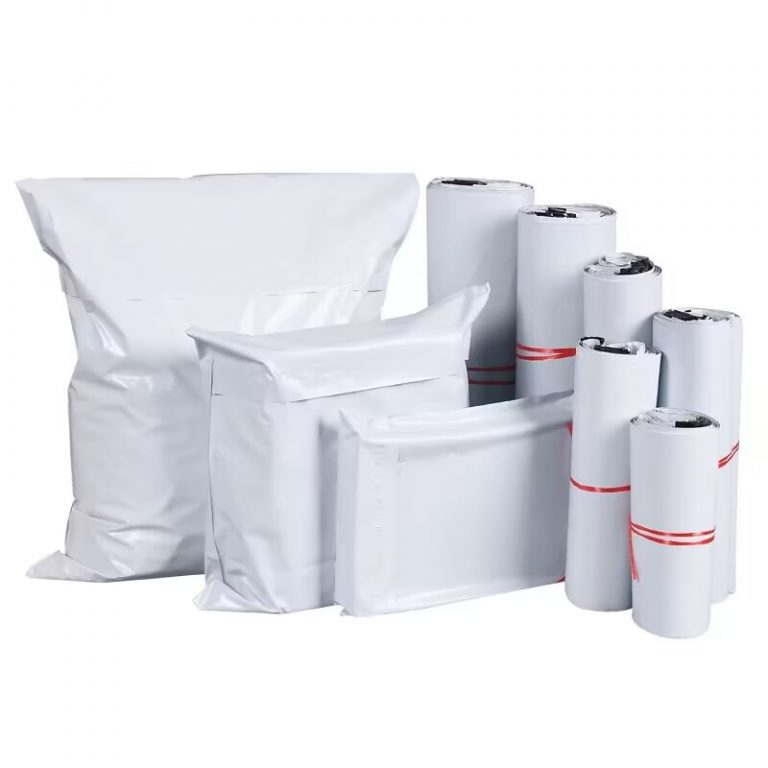
Small brands in Hong Kong and beyond know this pain: orders arrive torn, products exposed, customers unhappy. The root cause isn’t always rough handling — often it’s the mailer itself. Poor material layering, weak seal integrity, or wrong film thickness all add up. If you’re sourcing for scale, consider switching to factory-direct, co-extruded options like white poly mailers — they reduce transit tear failures by design, not hope.

What “co-extruded” actually solves
Co-extrusion lets manufacturers combine different polymers into one film with targeted properties: an inner layer for puncture resistance, a middle barrier layer for moisture control, and an outer printable surface. That structure improves tear resistance and tensile strength while keeping weight and cost down. Practically, you get a mailer that holds up to grit, corners of boxes, and postal sorting machinery better than single-layer films — quite noticeable on busy delivery routes in and out of Hong Kong.
Factory-direct printing: fewer touchpoints, fewer failures
Ordering factory-direct custom printed poly mailers removes extra handling steps where defects can creep in. Direct production improves color adhesion on the outer layer and ensures printing processes match the film chemistry — so your brand graphics don’t crack along seals. From a QA view, fewer handoffs mean better control over seal integrity and peel strength during final inspection.
Common errors brands make — and how to avoid them
Brands often fixate on price and forget three critical things: film structure, seal type, and realistic testing. Don’t assume all poly mailers behave the same at your fulfillment line. Ask suppliers about co-extrusion recipes, ask for samples across different film gauges, and verify that the self-seal adhesive works with your label application. Also, be careful with generic sustainability claims — some recyclable films trade off tear resistance, so check the specs.
Testing that actually predicts field performance
Lab jargon aside, focus on a few practical tests: tensile strength, puncture resistance, and drop-sort simulation. Tensile and puncture tests give you measures of how the mailer handles stretching and sharp corners; real-world sort simulations show whether seals hold under repeated compression. When evaluating a vendor, insist on both instrument data and live-sort videos — they paint different pictures. During the 2020 supply-chain disruptions many brands learned this the hard way: lab numbers looked fine, but real-world mishandling exposed weak seals and poor tear-resistance.
Materials and specs to ask for (quick checklist)
– Co-extruded film with named layers (e.g., LDPE outer + barrier core) for predictable tear paths.
– Gauge range and target tensile strength values — higher gauge isn’t always better if the polymer mix is wrong.
– Seal type and peel strength figures; confirm adhesive compatibility with your labels and inks.
– Options for gusseting or reinforced corners if you ship rigid items.
Trade-offs: cost, sustainability, and performance
Often suppliers present lower-cost single-layer films or recycled blends. They save money, yes, but may reduce puncture resistance or change tear behaviour. Recycled films can be great for sustainability goals, but test them — recycled content sometimes means less uniform barrier performance. If your brand ships fragile goods or sells in cross-border marketplaces, lean to co-extruded constructions even if unit cost is slightly higher — fewer returns offset that fast.
Supplier selection — what to measure before you sign
Pick vendors who share production details and offer realistic MOQs for trials. Ask for: documented QA procedures, batch-level traceability, and sample runs that match your printed art. Also, consider local logistical realities — shorter transit times from a nearby factory reduce time in sorting systems, which lowers exposure to potential tears. If you want to compare different aesthetics or film chemistries, request certificates for seal tests and actual sort-shipment footage.
Real-world anchor and practical example
Take the Hong Kong e-commerce spike during 2020: many SMEs suddenly scaled orders but kept using basic single-layer mailers. Returns rose where fulfillment lines couldn’t handle more throughput. Brands that switched to co-extruded, factory-direct poly mailers reported fewer transit failures and fewer customer complaints. That’s a simple operational win — less rework, fewer refunds, better reputation in a crowded market.
Alternatives and when they make sense
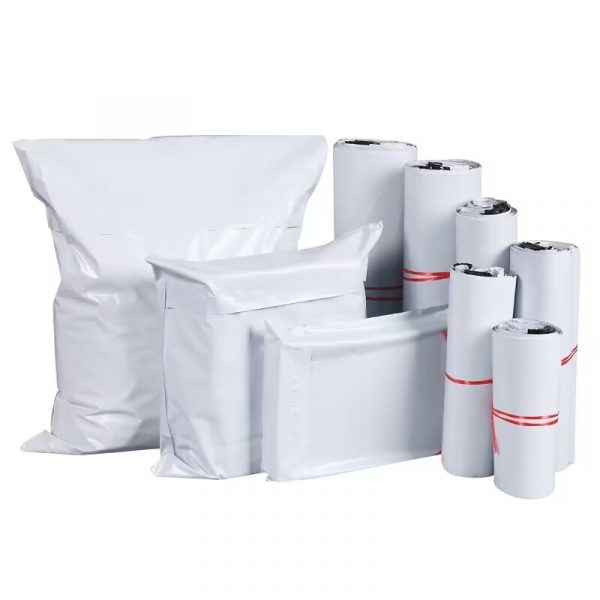
There are cases where alternatives win. Compostable mailers suit low-weight, low-abrasion items where environmental claims matter. Rigid mailers or padded envelopes are better for fragile goods. But for most apparel, accessories, and documents, co-extruded poly mailers strike the sweet spot between protection, printability, and cost. If you need pure white printable surfaces, look specifically for suppliers that can deliver stable opacity without compromising film strength — that’s where white plastic packaging bags specs become relevant.
Three golden rules — advisory close
1) Measure field performance, not just lab specs: run live-sort trials before full production. 2) Demand transparency on film layers and seal testing — you must know the co-extrusion recipe and peel strength results. 3) Balance sustainability with performance: if recycled content is non-negotiable, require extra testing and adjust packaging design to mitigate weaker puncture resistance.
These three rules will cut return rates, improve customer satisfaction, and protect your margins — the practical outcomes you can expect when choosing the right mailer partner. For brands that want a reliable, factory-direct partner who understands these mixes and delivers consistent quality across print and film, WH Packing often fits naturally into that workflow.
— a quick reminder: consistency beats novelty in packaging every time.