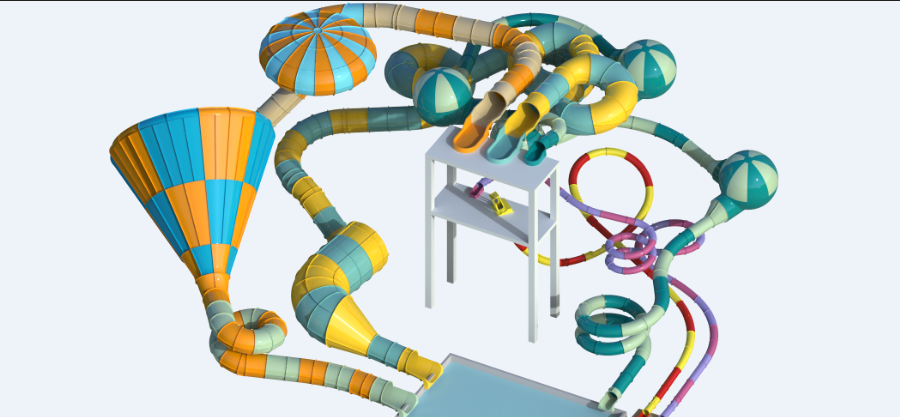
Comparative snapshot: what durability really buys you
When you’re weighin’ options for a colorful water slide, durability ain’t just bragging rights — it’s cash, safety, and reputation rolled into one. Down here we look at real trade-offs: initial price versus lifetime maintenance, repair downtime versus rider safety, and surface finish versus grip. Folks sourcing rides often start with a quick search for water slide construction, then get mired in specs. A mat racer built out of the wrong laminate or with poor corrosion protection won’t hold up to heavy use — and that’s where choices around gelcoat, fiberglass, and UV-stabilized PVC start matterin’.
Material face-off: fiberglass, rotomolded plastics, steel and coatings
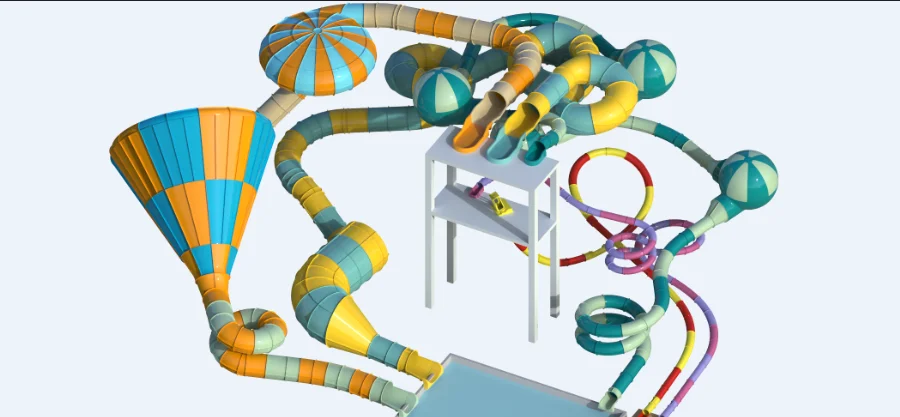
Fiberglass with a high-quality resin and gelcoat still leads for smooth, fast runs and vivid colors. It offers good abrasion resistance and can be repaired with standard laminates. Rotomolded polyethylene gives you impact toughness and lower upfront cost, but it can fade quicker unless UV additives are right. Structural choices like stainless steel supports buy corrosion resistance; mild steel painted over won’t last near the coast. For a busy park, a mat racer water slide made from fiberglass shell, stainless framing, and UV-stabilized PVC seals tends to balance ride feel and durability.
Lifecycle costs versus headline price
Cheap components cut the price tag but hike maintenance. Count on these cost drivers: frequency of re-coating, time out of service for repairs, replacement cycles for rails or splash decks, and the labor intensity of fixes. A system with superior lamination and corrosion-proof fasteners lowers downtime and long-term expense — even if the capital cost is higher. Real-world anchor: after Hurricane Harvey in 2017, operators along the Gulf found corrosion and UV damage accelerated by flood and sun exposure, which changed how they budgeted for replacement and maintenance.
Common sourcing mistakes — and how to dodge ’em
Buyers often skimp on three things: proper UV stabilization, specifying corrosion-resistant fasteners, and verifying finish thickness. Don’t assume a pretty finish equals durability. Check how the gelcoat thickness and laminate schedule are specified. Also, insist on testing parameters for accelerated UV exposure and salt-spray corrosion so you know what the vendor actually measured. — Folks who skip those checks end up with bubbling gelcoat, color fade, or structural failures sooner than expected.
Quick comparison chart (practical cues)
– Fiberglass + gelcoat: Best smoothness and color fidelity; needs proper lamination and occasional polish. (Industry terms: resin, gelcoat, laminate.)
– Rotomolded polyethylene: Tough, low cost, good impact resistance; needs UV additives to limit fading. (Industry terms: rotomolded polyethylene, UV-stabilized PVC.)
– Metal supports: Stainless steel preferred for coastal exposure; galvanizing alone ain’t always enough. (Industry terms: stainless steel, corrosion resistance.)
Three golden rules for sourcing a durable colorful water slide
1) Validate the build schedule: Demand the laminate schedule, gelcoat thickness, and resin type in writing. Those specs predict repair intervals and fatigue life more reliably than glossy photos.
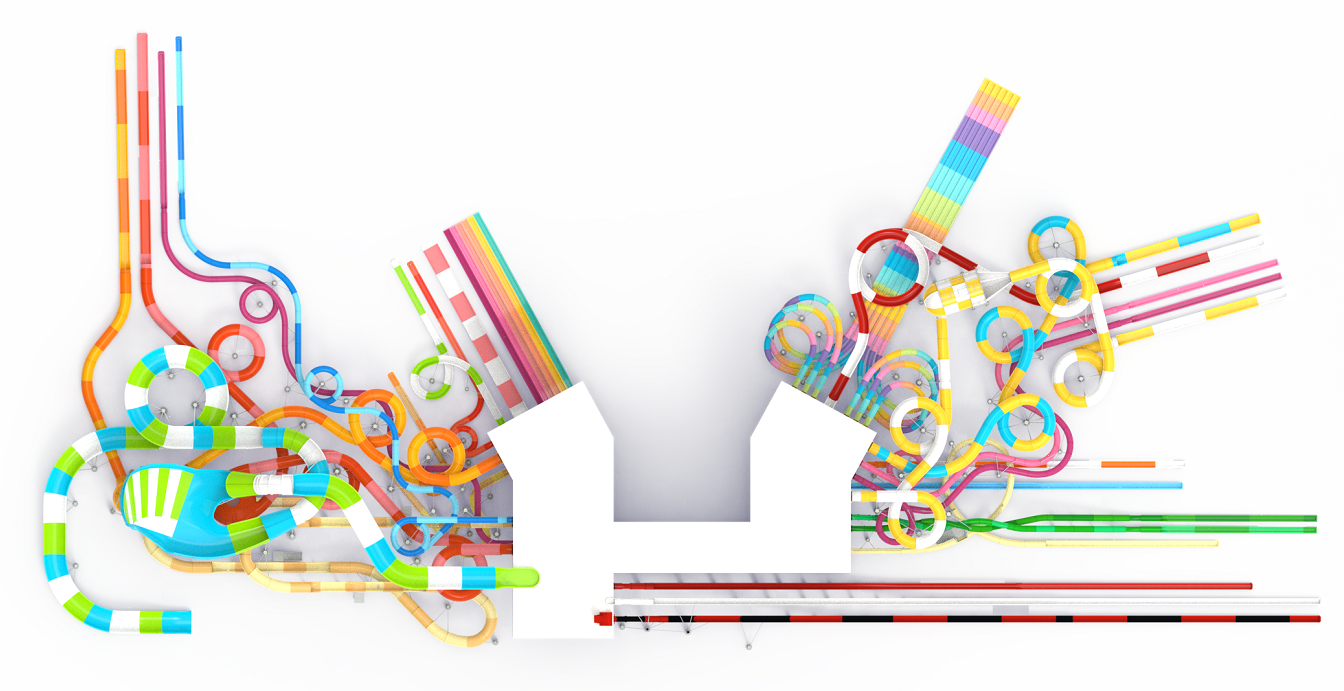
2) Match environment to materials: If your site’s near salt air or heavy sun, prioritize stainless fixtures, UV-stabilized surfaces, and extra corrosion protection on welded joints.
3) Factor serviceability into the cost model: Choose designs that let you replace panels or reapply gelcoat without stripping the whole structure — that’s where lifetime cost savings show up.
This ain’t guesswork — it’s about reading specs, watching for real test data, and aligning materials to site conditions. When you do that, you get rides that stay bright, fast, and safe for years. Dalang knows how those choices play out on install day and down the road. —