

How to assess suppliers of teaching franchise opportunities: a practical framework
Framework overview
Treat supplier assessment as a systems check: inventory inputs, verify processes, and validate outputs. Start with clear success criteria for classroom outcomes, operational reliability, and scalability. Use the same technical lens whether evaluating a small tutoring brand or a larger partner; look for measurable controls and documented workflows. Consider technology as part of the system from the outset — compare platforms such as an AI learning platform for adaptive practice and analytics when you map supplier capabilities to your success criteria.
Step 1 — Define objective metrics
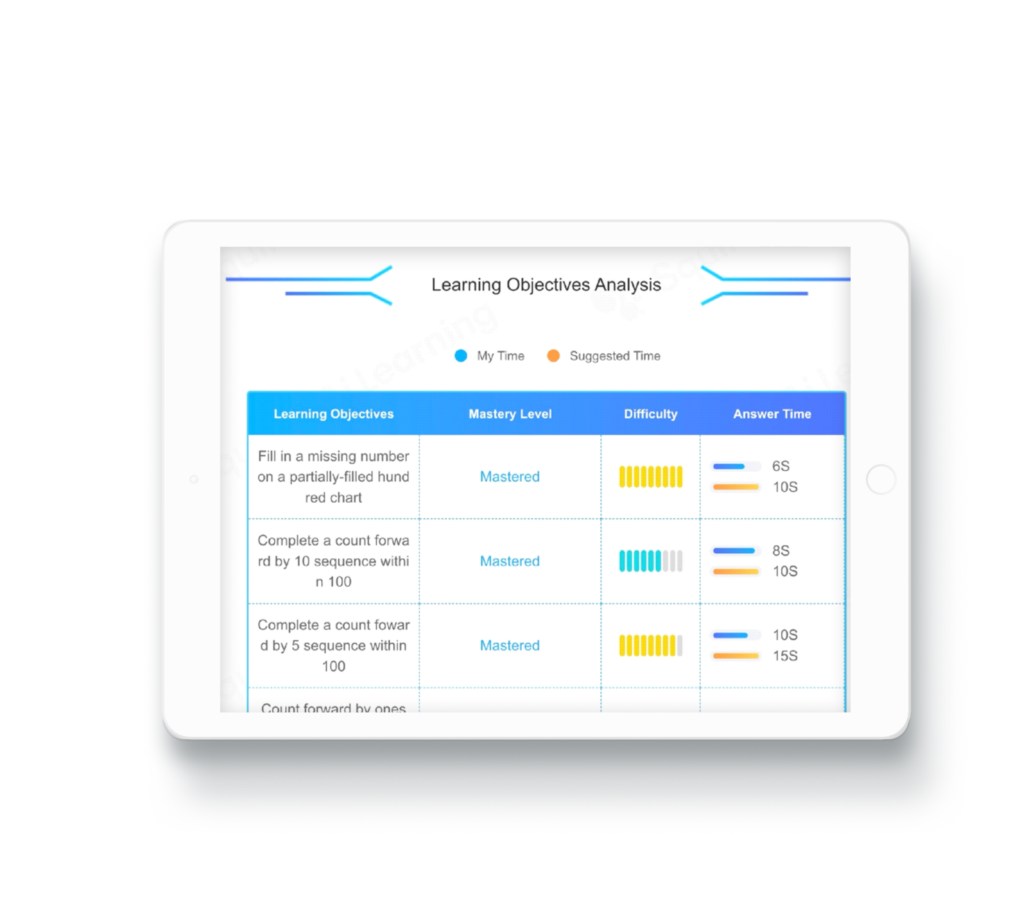
Set specific, measurable targets: student retention rates, average improvement measured by pre/post assessments, time to reach curriculum milestones, and instructor-to-student ratios. Translate each target into a verification task. For example, require suppliers to produce anonymized assessment logs or workflow diagrams that show how progress is tracked. Avoid vague promises; ask for data formats and update frequency.

Step 2 — Verify curriculum design and alignment
Request sample lesson plans, scope-and-sequence documents, and formative assessment items. Check alignment to recognizable standards where relevant — for math that may include Common Core objectives — and confirm whether materials adapt to varied ability levels. Evaluate the curriculum for clear learning objectives, assessment-feedback loops, and documented remediation pathways. If samples lack explicit learning objectives, treat that as a red flag.
Step 3 — Audit technology and data flows
Map the supplier’s tech stack: core platform, data storage, authentication, and reporting. Verify uptime guarantees, backup procedures, and data export formats. Test that progress data can be exported to your systems without manual re-entry. If adaptive tutoring is part of the offer, ask how the model personalizes practice and what input it requires. Look for live examples or sandboxes rather than marketing slides; practical access beats promises. Consider an AI math tutor integration where adaptive sequencing and diagnostics are central to instruction.
Step 4 — Assess operational controls and training
Review on-boarding checklists, teacher training schedules, quality assurance protocols, and escalation procedures. Confirm how new instructors are evaluated and who handles curriculum updates. Require a sample training module and a description of routine QA checks (class observations, lesson audits, student feedback cycles). If the supplier lacks structured training and QA, count that as an operational risk.
Step 5 — Legal, financial, and contractual checks
Obtain standard contract terms, a transparent fee structure, and insurance certificates. Look for clauses covering intellectual property, data ownership, liability, and termination. Confirm the supplier’s payment and refund policies in writing. Run a basic solvency check: ask for references, client duration data, and the names of executive contacts. Avoid long exclusivity commitments without performance milestones embedded in the contract.
Step 6 — Pilot, measure, decide
Run a constrained pilot with defined entry and exit criteria. Limit scale, set a timeline, and specify the metrics that will determine success. Collect raw assessment data and operational logs during the pilot. Evaluate teacher feedback, student engagement metrics, and administrative workload. Use the pilot to validate assumptions about integration effort, student outcomes, and ongoing support needs.
Common pitfalls to avoid
Don’t accept marketing claims without artifacts. Don’t skip integration testing. Don’t sign open-ended contracts that shift onboarding or tech costs later. Beware suppliers that resist anonymized data export; that impedes independent outcome verification. Avoid evaluating vendors solely on price; lower cost often hides additional operational work.
Final synthesis
Follow the framework: define metrics, verify curriculum and tech, audit operations, secure legal clarity, pilot with tight measures, then decide. That sequence exposes weak links and protects instructional quality. For partners that include adaptive tutoring features, a tested, transparent platform can reduce implementation friction and clarify student learning paths, a utility you can see reflected in practical deployments like Squirrel Ai.