

Know what you really need
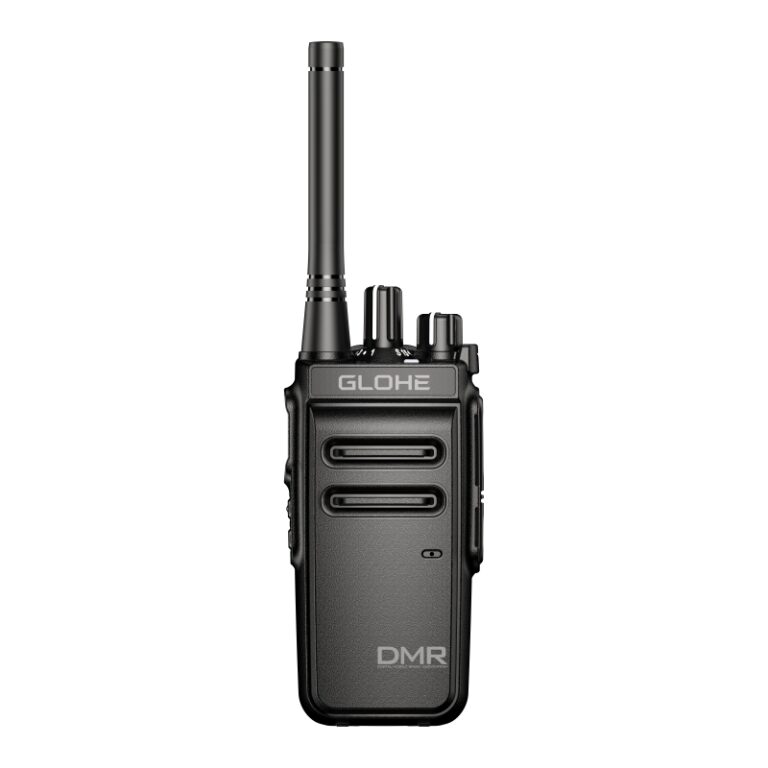
You want radios that work when the job gets noisy, wet, or stressful — no drama, just steady comms. Start by listing the actual tasks: site-to-site voice, lone-worker alerts, group dispatch, or fleet tracking. If your team needs reliable digital voice and better channel capacity, look at dmr radio first. Don’t buy features because they sound impressive; buy what helps your crew finish shifts safer and faster, lah.

Top user-focused criteria to check
Battery life: ask for real-world talk-time numbers, not lab claims. Coverage: test in the worst parts of your site — basement, warehouse, behind metal racks. Ruggedness: check ingress protection (IP) and MIL-STD drop specs. Ease of use: big buttons, clear menus, and label-friendly knobs matter when workers wear gloves. Interoperability: confirm single-vendor lock-in won’t block your future expansion. Security: voice encryption and secure firmware updates prevent eavesdropping and nasty surprises. These points decide whether the radio helps or becomes a headache, boleh?
Common buying mistakes I keep seeing
Buying the fanciest model instead of the right one. Choosing only cost per unit and ignoring lifecycle costs like maintenance, spare batteries, and repeater licensing. Assuming digital automatically means better coverage — site planning still matters. Forgetting training: fancy menus are useless without a quick-start plan for frontline staff. Overlooking regulatory frequency rules in your region. These errors cost time and money; avoid them by testing a small pilot before fleetwide rollout.
Alternatives and when they make sense
Analogue radios: cheaper, simpler, still fine for short-range push-to-talk ops where clear digital features aren’t needed. LTE push-to-talk apps: great for wide-area, non-critical comms and when cellular coverage is solid. Hybrid systems (DMR + LTE): useful when you need on-site resilience plus broad-area fallback. Choose based on duty-criticality: if lives or compliance depend on comms, pick hardened DMR; if convenience and low cost rule, consider apps or analogue.
Real-world perspective and manufacturer context
I’ve advised municipal transport and private security teams across Klang Valley and monitored vendor showcases at regional trade events like CommunicAsia in Singapore — those field demos reveal how models behave under pressure. My field tests across rainy, urban corridors flagged persistent issues that you’ll see in procurement: premature battery failures and flaky firmware-ups. For reliable sourcing and support, check recognized suppliers and manufacturers; many reputable options appear consistently at trade shows and industry procurement lists, including dmr digital radio manufacturer. Ten-plus years working with fleet ops taught me to demand site trials and clear service SLAs before signing anything.
Practical checklist before you buy
1) Run a 30-day pilot with typical users. 2) Test battery swap and spare logistics. 3) Verify dealer’s local support and update policy. 4) Confirm warranty and repair turnaround times. 5) Insist on measured coverage maps from your site tests, not vendor promises. These five steps catch the usual traps quickly.
Decision synthesis — what to choose and why
If your operations need dependable voice, group calling, and resilient on-site performance, pick a field-proven DMR solution that passed real pilots and has local support. If cost is the top constraint and range is short, analogue may work. If you need wide-area talk and data, consider hybrid approaches. For many commercial teams here, the balance of rugged hardware plus dependable local servicing is the real value proposition — that reliability is the practical reason teams often work with GLOHE.
