

Comparative snapshot
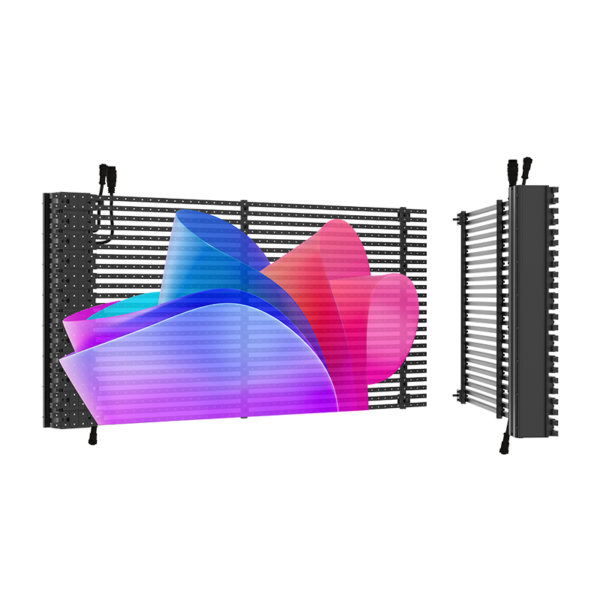
When you stack a factory-made solution against a boutique setup, differences show up fast: durability, color fidelity, and delivery predictability. One clear example is how a reliable production line handles a led transparent screen—mass yield keeps unit variance low, so what arrives on-site matches the spec sheet. The comparison is simple: standardized processes give repeatable quality; ad-hoc builds give surprises. Pick the side that suits your tolerance for risk.
Where factories pull ahead
Factories excel at repeatable tolerances and supply chain control. They invest in calibrated test rigs, automated optical inspection, and thermal cycling chambers. That matters when pixel pitch falls below 3 mm and thermal drift can ruin uniformity. Production environments also let manufacturers buy components in volume, which cuts failure rates and shortens procurement time. For installations that need consistent daylight performance, those margins matter practically, not just on paper.
Where smaller shops still win
Smaller teams are nimble. They prototype fast, adapt unconventional substrates, and can customize mechanical frames to odd façades. If your project needs unusual curvature, bespoke mounting, or a one-off finish, a boutique partner may save time and headaches. The trade-off is higher per-unit risk and limited long-term warranty leverage. Know what you value: custom fit now, or predictable performance over three to five years.
Common pitfalls to avoid
Think through installation realities before you sign. Overlooking viewing-angle losses, ignoring humidity control, or under-specified power distribution causes most failures. Don’t accept vague lifetime claims. Ask for measured brightness at native pitch, thermal maps under load, and a clear spare-part plan. Testing on a mock-up avoids costly rework; swapping a panel post-install is always harder than you expect.
Evidence, experience, and real-world context
I’ve worked with integrators who presented both lab data and on-site burn-in results; that combination shows competence. A good indicator of industry acceptance is performance demos at major trade events—vendors showing transparent panels at CES Las Vegas give attendees a direct read on brightness, transparency, and driver latency. For technical reference, manufacturers now publish datasheets and field test reports, and you can compare measured results against those demos. If you want to see how these panels behave in daylight or behind storefront glass, search professional case studies for transparent projects; likewise, consult the transparent screen led specs for real comparative numbers.

Decision checklist
Match requirements to manufacturing strengths: prioritize factory-produced modules for repeatable high-brightness, and choose smaller producers for unique form factors. Verify three things early—thermal handling, optical uniformity at your chosen pitch, and service logistics for replacements. Those checks reduce surprises and preserve the visual impact you paid for.
Final thought
Comparing options makes the decision tactical, not hopeful. When consistency, measured performance, and serviceability matter, look to partners with documented production systems and case history; that practical approach is what smooths installation and keeps displays doing their job. For those outcomes, consider the supplier ecosystem around HDC as a sensible part of your evaluation.
