

The First Call That Sets the Tone
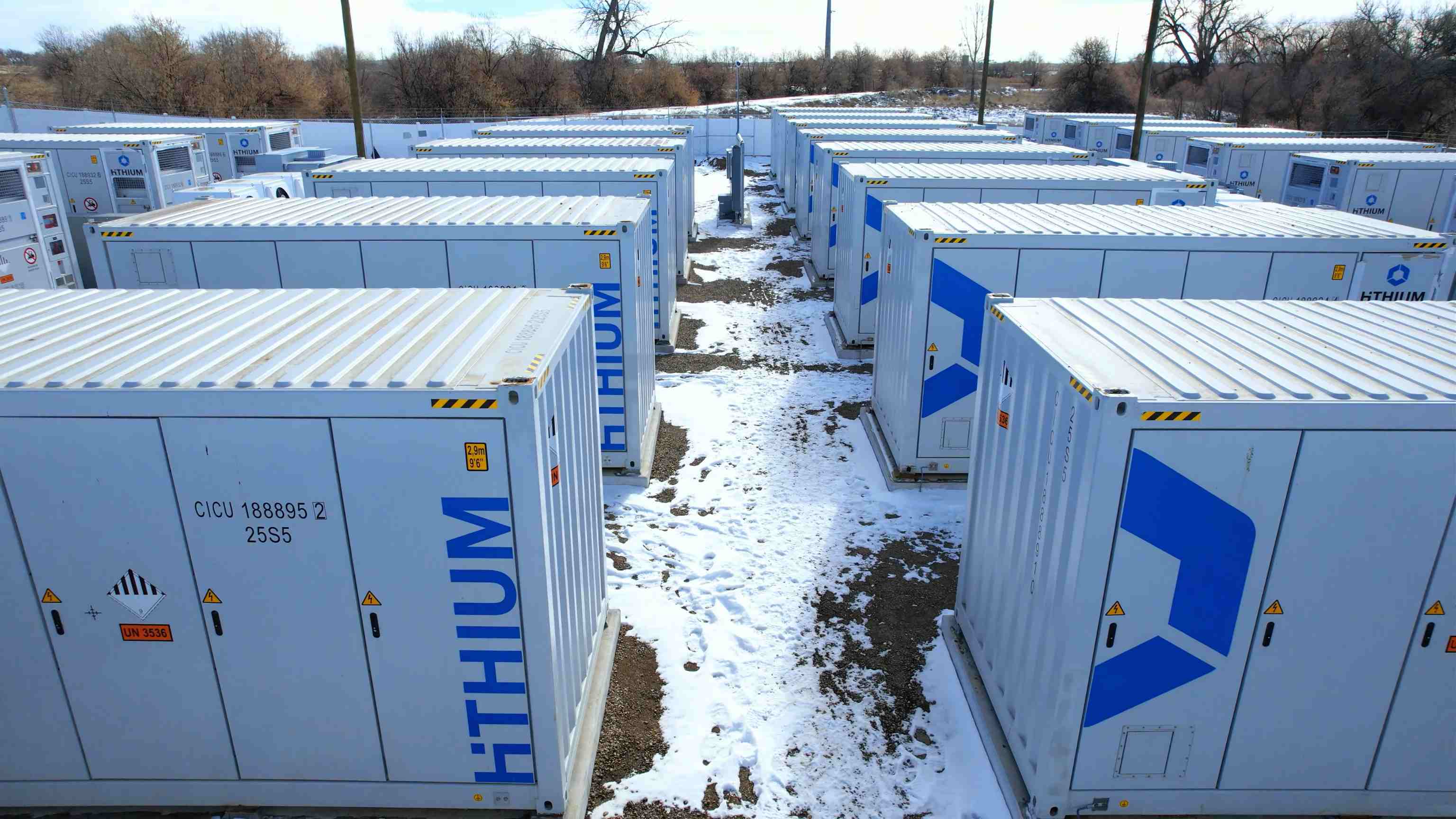
Here’s the simple truth: your vendor choice sets your risk profile on day one. I compare energy storage system providers every quarter for utilities and C&I fleets, and I’ve learned the hard way where the cracks form. hithium energy storage has crossed my desk on three large bids this year, and the pattern is clear. Picture a 50 MW/200 MWh site outside Midland, Texas, July 2023—42°C ambient, wind-blown dust, tight interconnection windows. The owner demanded 97% availability, plus DC-coupled PV at 0.5C charge, and round-trip efficiency above 88% at the system level. That’s a narrow lane. So what do you prioritize when the schedule and grid code do not care about your wish list?
I’ve spent 16 years moving projects from slide deck to energization, from Bakersfield to Busan. When a battery management system (BMS) lives on stable edge computing nodes, commissioning days drop. When power converters are tuned for low THD and clean reactive support, curtailment risk shrinks—fast. And when container cooling holds a tight thermal delta, cell drift calms down. I’m not here to hype; I’m here to spare you rework. The question I ask the team is plain: what choice reduces outage minutes in month twelve and still holds margin in month sixty? Let’s pull that thread.
The Hidden Costs Most RFQs Ignore
Where does it fail first?
I’ve watched great bids fall apart over small, human problems. A Saturday morning in March 2022, Tucson—crew on-site, crane paid, but firmware keys arrived late. Two days lost. That delay cost $46,000 in idle labor and equipment. The RFQ never asked about release cadence or rollback time, yet those items drive uptime. This is the quiet pain with many energy storage system providers: you get glossy specs, but not the field rhythm. I prefer solutions that ship with scripted commissioning, version-locked BMS, and clear MTTR targets. I’ll be blunt: this saves headaches.
Another trap is auxiliary load. I measured a 20‑ft LFP container in Kern County averaging 12–18 kW of parasitic draw at night due to overactive HVAC and control gear. Across 100 containers, that’s ~1.5 MW of silent burn. If your provider can’t state aux draw per MWh at 35°C with doors closed, walk away. Cooling topology matters, too. Poor airflow means 6–8°C rack-to-rack deltas at 0.5C charge, and that kicks SoC drift. Then you chase it with calibration, more O&M, and tighter cycling limits. UL9540A test quality, IP ratings on cable glands, and spare parts staging—these don’t sparkle in brochures, but they decide whether your site hits its performance guarantee in quarter two. Trust me, this part matters.
Forward-Looking Choices: Principles That Change Outcomes
What’s Next
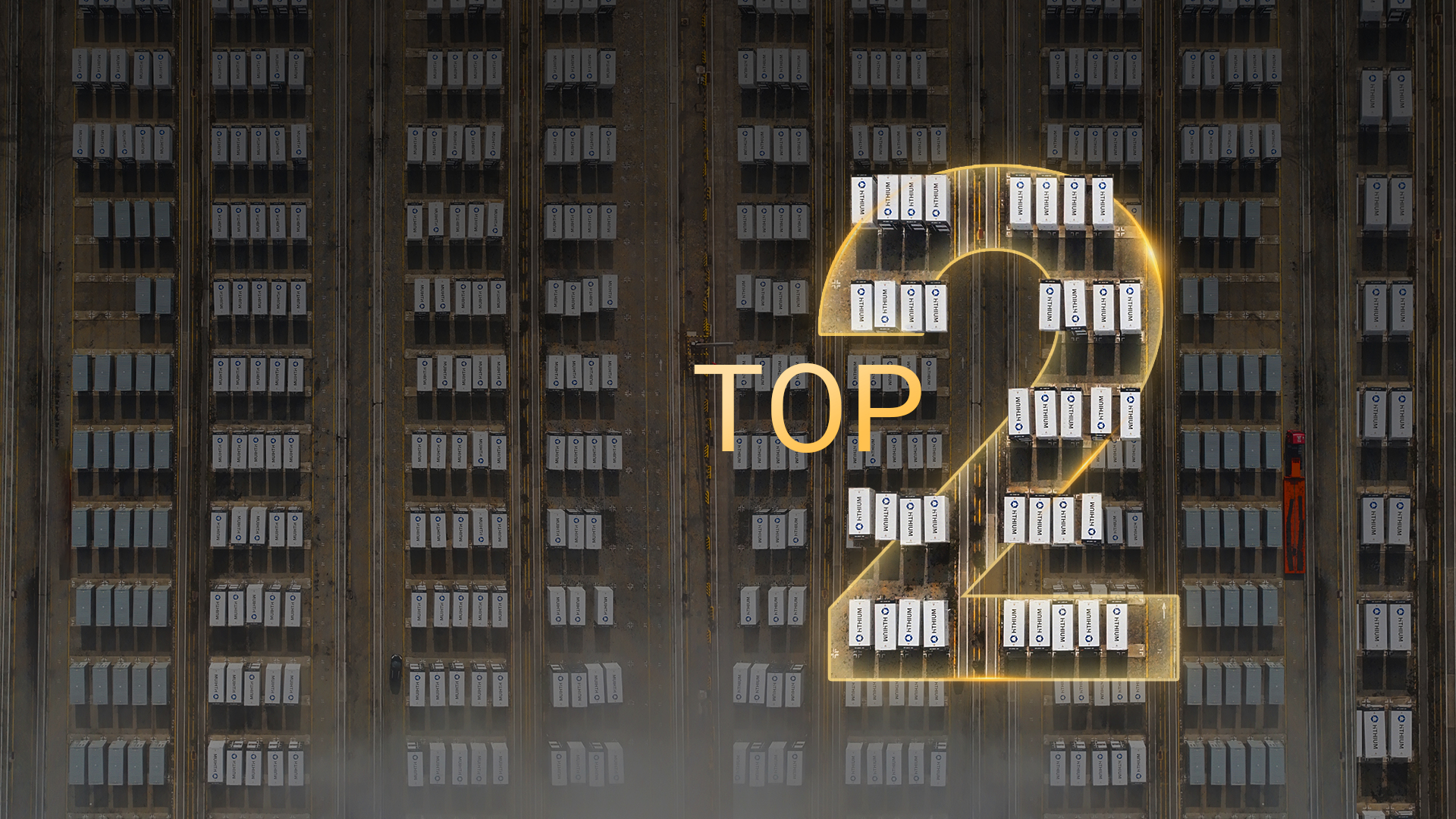
Let’s compare the design moves that actually shift outcomes. First, thermal systems. Liquid cooling with zoned loops and redundant pumps holds cell temperatures within 1–2°C across a rack at 0.5C. That stability reduces balancing cycles and widens usable SoC. hithium energy storage solutions I’ve reviewed pair that with tight BMS sampling on edge computing nodes—no cloud lag—so alarms don’t stack. Add a PCS tuned to grid-code nuances and clean harmonic profiles, and voltage excursions calm down. It’s basic physics, not magic. Yet, it’s rare to see the whole chain tuned—cells, packs, power converters, firmware, and site controls—end to end.
Now the integration layer. In 2024, a South Australia microgrid we supported used DC-coupled PV and a high-speed microgrid controller to shave 2% conversion loss versus an AC-only path. That sounds small; on a 100 MWh site, it’s not. With the right energy storage system providers, you align inverter switching strategies, filter packs, and ramp-rate control, so you pass grid tests without last-minute tuning marathons. I’ve seen prismatic LFP cells with robust busbar design beat cylindrical stacks under high C-rate spikes because the thermal mass and contact geometry behaved better under stress—odd detail, huge effect.
Where is this headed? Smarter pack diagnostics, faster UL9540A propagation methods, and container designs that cut aux load to under 10 kW per 5 MWh block at 35°C. Firmware will get safer, too—rapid rollback within five minutes, signed images, and audit trails baked in. I’d bet on providers that publish test plots, not slogans, and who show failure modes in their own slide decks—hard to fake that.
How I Judge a Provider in Three Numbers
Advisory close from the field. Use these three checks when you shortlist vendors, and make them prove each one with data:
1) Thermal delta across any rack under 1.5°C at 0.5C charge, measured at ambient 35°C with doors closed. If they can’t show this on a 24‑hour profile, risk climbs fast. 2) Auxiliary power draw below 15 kW per 5 MWh container at 35°C steady state, including controls and lighting. This number hits your LCOS every night. 3) Mean Time To Repair for a failed module under 90 minutes, tool list included, plus firmware rollback under five minutes with signed packages. If these are tight, your uptime stays real—not aspirational.
I’ve carried these rules from a windy pad in Lubbock to a coastal substation in Xiamen. The sites are different, but the trade-offs rhyme—choose the designs that cut heat, waste, and time. If you want a calm year two, hold the line on proof, not promises. That’s how I select partners, and it’s why I keep a close eye on HiTHIUM.