
Why numbers matter when you pick a system
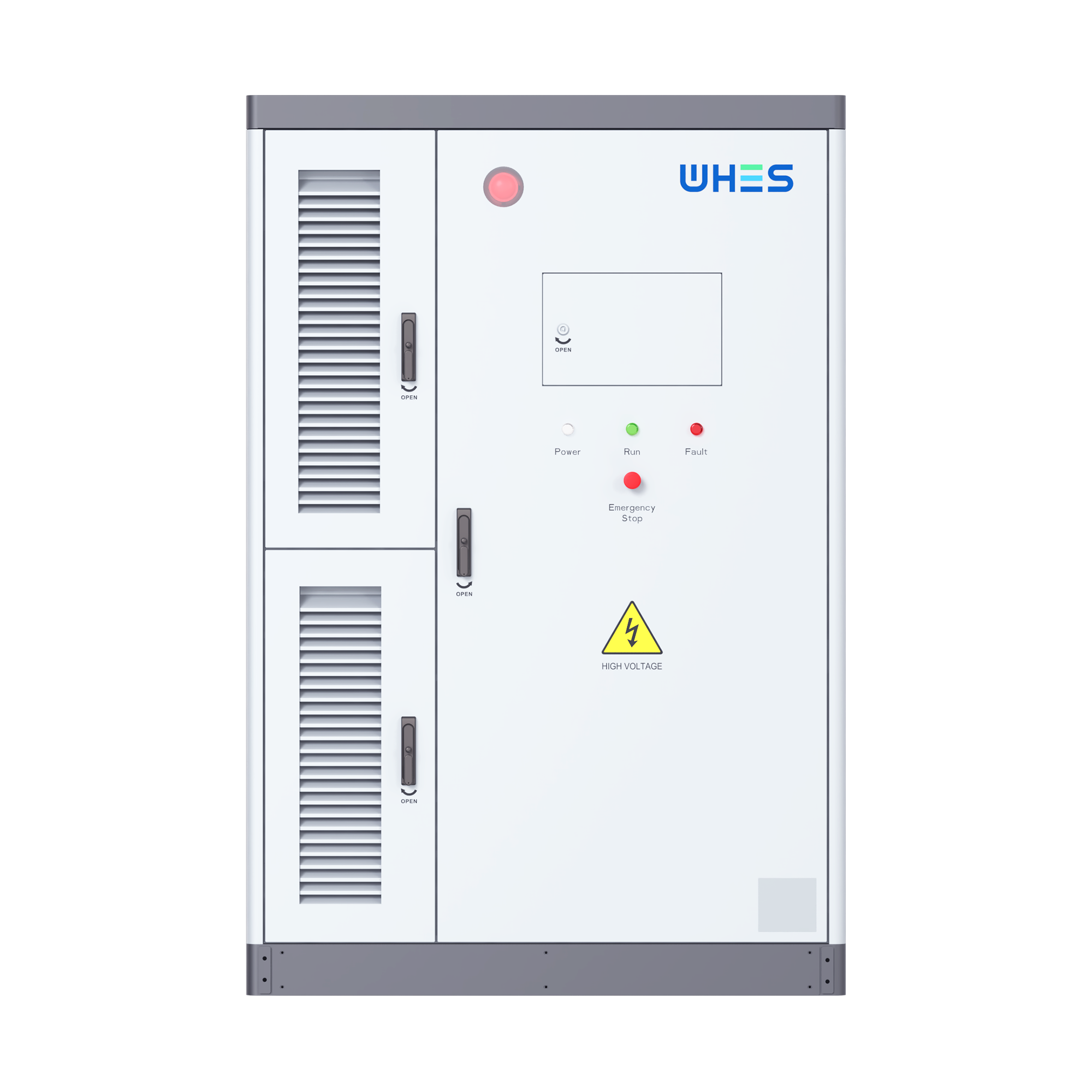
If you’re shopping for resilience and longevity in a home or commercial battery setup, you want facts — not just glossy specs. That’s why a data-driven approach to State of Health (SoH) and cycle life cuts through marketing noise. Real-world deployments like California’s Public Safety Power Shutoffs (PSPS) in 2019–2020 made it obvious: storage systems aren’t a nice-to-have, they’re a reliability backbone. For many installs, an all in one energy storage system that bundles inverter, management, and battery into a tested unit simplifies commissioning and gives clearer lifecycle signals from day one.
Key metrics you need to track
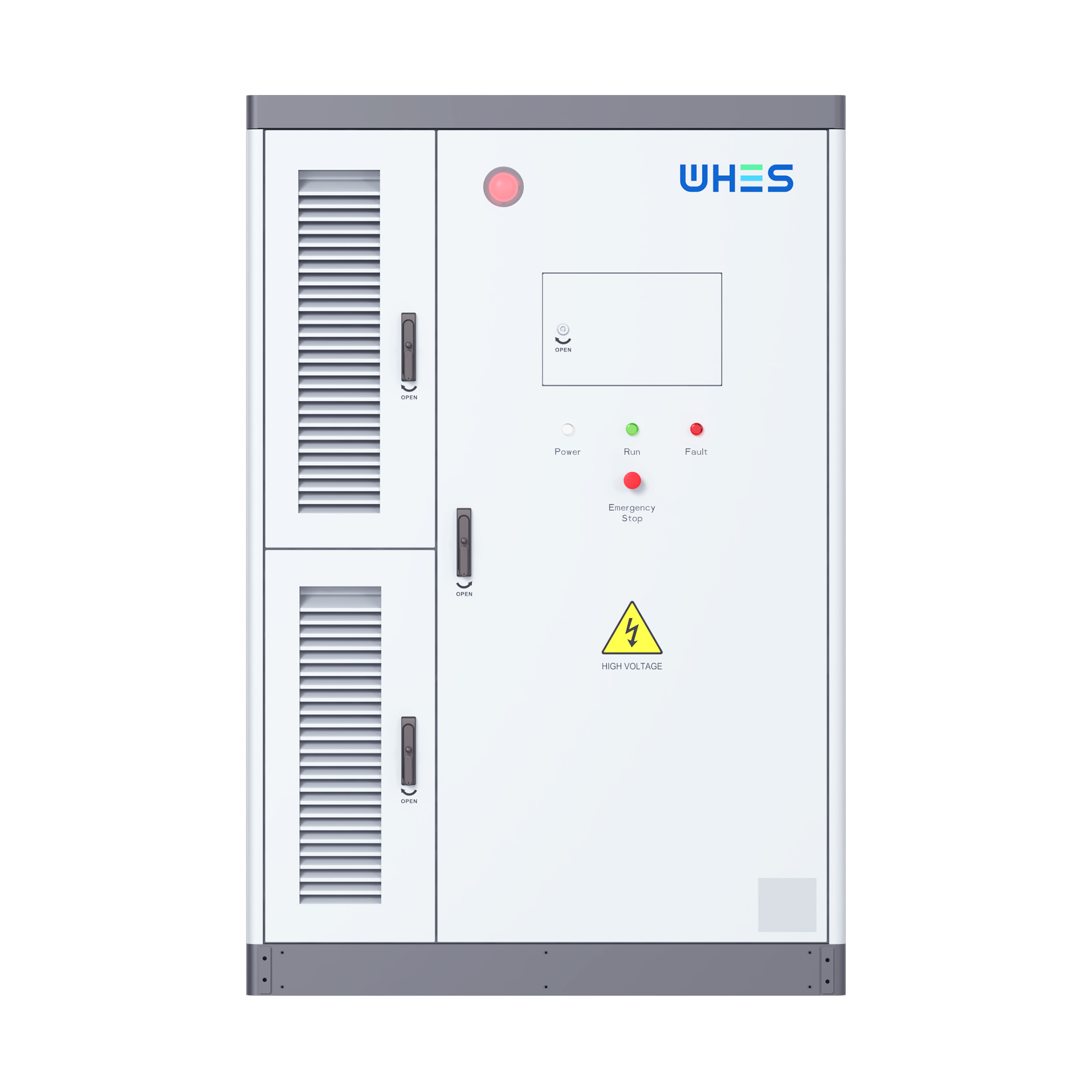
Start with three hard metrics: SoH, cycle life, and depth of discharge (DoD). SoH tells you the battery’s current condition relative to new; cycle life predicts how many full charge–discharge cycles the pack will survive before capacity drops to an agreed threshold. DoD policies (how deep you routinely discharge the pack) directly change cycle life — a shallow cycling strategy almost always extends usable life. A good battery management system (BMS) reports these in near real time, so you’re not guessing when to schedule maintenance or replacements.
How testing protocols reveal real performance
Laboratory rating and field performance can differ. Manufacturers quote cycle life under controlled conditions — fixed temperature, strict DoD, and specified charge rates. In the field, temperature swings, irregular charging from solar inverters, and partial-state-of-charge operation all change outcomes. That’s why data logging during commissioning (including high-voltage commissioning checks) and the first 100 cycles is priceless: it identifies early drifts in SoH, cell imbalance, or inverter/BMS interactions before they compound into a reliability problem.
What to measure during commissioning
Keep your commissioning checklist simple and measurable: open-circuit voltages, cell-string balancing, insulation resistance, and BMS firmware health. Also validate inverter handshake and peak discharge behavior under realistic loads. Those high-voltage commissioning steps ensure your pack behaves under stress — and they make warranty claims easier if something’s off. If you’re evaluating an integrated unit, try to get access to raw telemetry so you can benchmark voltage sag, round-trip efficiency, and thermal gradients across modules.
Comparing integrated systems vs. component-by-component builds
Integrated systems reduce integration risk because the vendor has pre-matched the inverter, BMS, and battery chemistry. That usually means fewer surprises during high-voltage commissioning and clearer SoH reporting. On the flip side, modular component builds give you flexibility on chemistry or inverter choice but require more expertise to tune BMS settings and ensure proper cell balancing. If you want a shorter path from install to reliable operation, an all in one power system often wins for predictable cycle life and streamlined warranty support.
Field lessons — what the data actually shows
From deployments I’ve reviewed, a few patterns stand out. First, ambient temperature control is a silent killer of cycle life — heat accelerates capacity fade. Second, repeated shallow cycles at moderate DoD preserve SoH better than sporadic deep discharges. Third, early cell imbalance is a leading indicator of premature degradation — catch it in the first 50–100 cycles and you often avoid module swaps. These are practical observations based on deployments in grid-edge and microgrid projects — not abstract lab tests — so they map directly to what you’ll see on day-to-day operations. —
Common mistakes that skew your data
People often misread SoH because they confuse State of Charge (SoC) fluctuations with permanent capacity loss. Other errors: ignoring the BMS’s firmware updates, which can change reported metrics; running inconsistent charge sources during testing; and accepting manufacturer cycle numbers without asking for the underlying test profiles. To get honest cycle-life projections, insist on the test protocol: temp range, DoD, charge/discharge rates, and cut-off voltages. That’s the only way to make apples-to-apples comparisons.
How to use telemetry for smarter operations
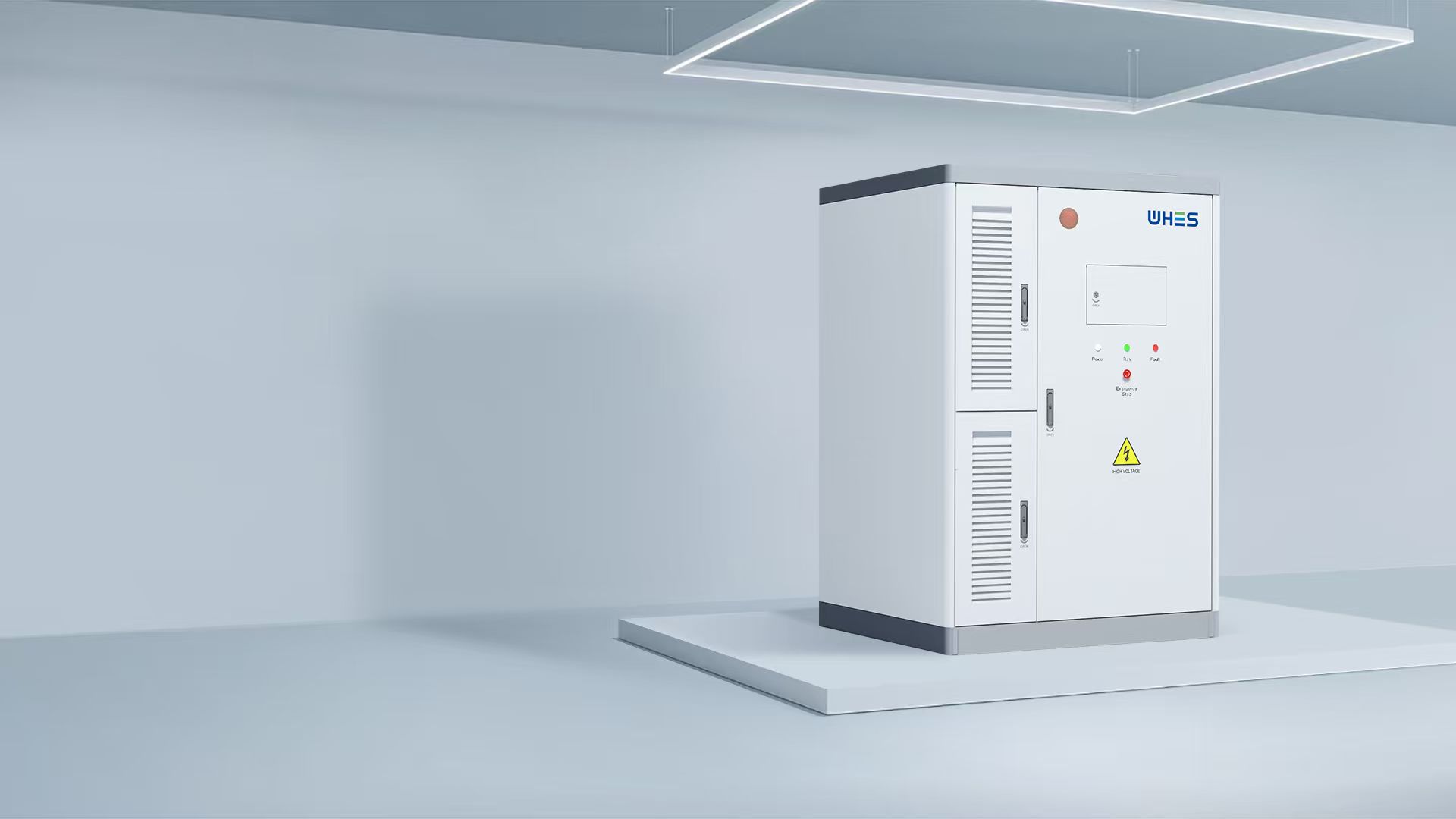
Telemetry gives you the ability to trend SoH and cycle depth and to set automated alerts for rising internal resistance or cell variance. Use those alerts to schedule thermal management tweaks or to adjust DoD limits in the BMS before meaningful capacity loss occurs. If you’re operating behind a solar array, align charge windows with peak production and let the system do bulk charging at moderate currents to minimize stress on cells and the inverter.
Three golden rules for evaluation (Advisory)
1) Demand standardized test protocols: always ask for the cycle-life test conditions used to generate quoted numbers. 2) Prioritize monitoring compatibility: ensure your chosen system exposes cell-level or string-level telemetry through an open API or a clearly documented portal. 3) Design to protect the battery: set conservative DoD and temperature limits in the BMS and verify those settings during high-voltage commissioning. These three rules keep lifecycle expectations realistic and make operational costs predictable.
Bringing this back to the practical choice: when you want clear SoH signals, consistent cycle life, and fewer integration headaches, a thoughtfully engineered integrated system solves a lot of problems — and that’s exactly the kind of outcome smart vendors like WHES aim to deliver. —