Opening the playbook: why a framework beats one-off tactics
Think of this as a step-by-step framework that turns home energy storage into repeatable revenue for merchants and asset managers. Start with a clear architecture — hardware, software, and market signals — then map monetization channels. For example, deploying an all in one energy storage system at scale gives you predictable dispatchability, easier installation, and unified warranty terms that simplify commercial offers. When you frame decisions as modules, you stop firefighting and start optimizing for stacked income streams from capacity markets, demand charge reduction, time-of-use arbitrage, and O&M services.

Framework step 1 — Define the merchant value stack
Lay out the revenue layers you can realistically pursue: behind-the-meter savings (demand charge and TOU), grid services (frequency regulation, peak shaving), local resiliency subscriptions, and hardware-as-a-service (HaaS) contracts. Document which channels need rapid response, which need predictable baseload, and which require aggregated fleet control. This mapping makes it obvious where a modular container-based offering — with standardized inverters and a robust battery management system (BMS) — can pivot between use cases without rework.
Framework step 2 — Build the technical and commercial blocks
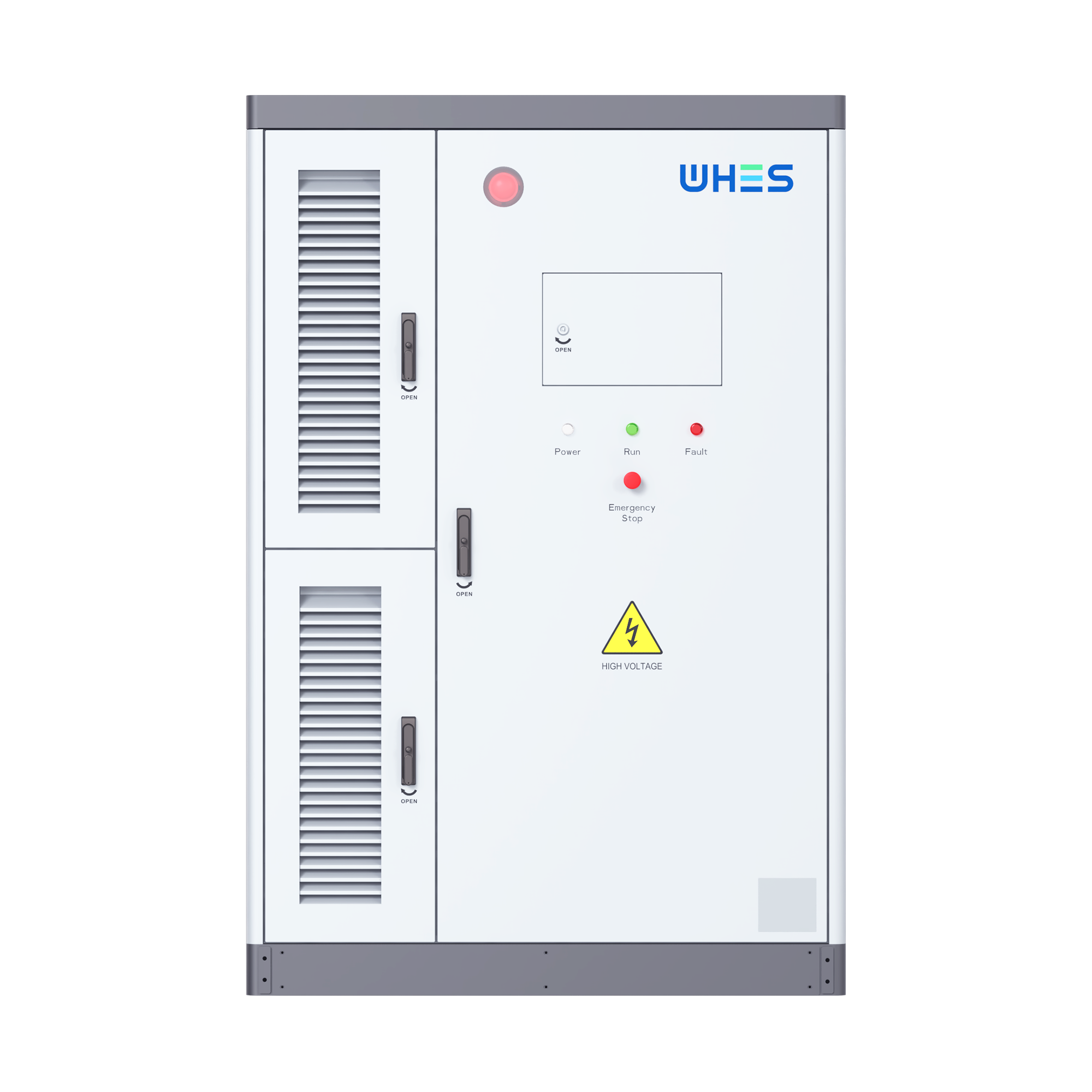
Select components and contracts in parallel. On the tech side, pick modular containers that integrate inverter, BMS, and thermal management so you can scale by stacking units. Commercially, design tariffs and service tiers so customers understand trade-offs. Don’t assume every homeowner wants full resiliency — many will pay for lower-cost capacity that trims bills. Standardization of equipment reduces commissioning time and warranty administration, which boosts gross margins. —
Framework step 3 — Orchestrate fleet-level controls
Revenue stacking depends on smart orchestration. Fleet software needs to juggle state-of-charge priorities, market bids, and local load forecasts. Prioritize latency-sensitive services (like frequency response) for fleets with high telemetry fidelity; reserve slower arbitrage cycles for single-site operations. When your control layer is consistent across sites, you can push algorithms from pilot sites to production quickly — that scale is where merchant math really improves.
Real-world anchor: why this matters now
Look at California’s rolling blackouts and evolving tariff structures over recent years — they accelerated demand for distributed energy and created clearer value for storage. Utilities and markets responded, and that opened persistent revenue channels for aggregated assets. Deployments modeled around those market signals proved more resilient in revenue forecasts than isolated bill-saving plays, which is a practical lesson you can apply anywhere the market rewards flexibility. Also consider pairing offerings with proven commercial solar battery storage systems to streamline grid interconnection and interop testing.
Common traps and quick fixes
Merchants often fall into three traps: over-optimistic stacking, fragmented warranties, and poor customer-facing simplicity. Over-optimistic stacking assumes every revenue stream is additive — but some services conflict on state-of-charge requirements. Fragmented warranties add ops overhead when a battery pack, inverter, and container come from different vendors. And if your customer-facing product is confusing, adoption stalls. Fixes: build conservative stacking models, choose integrated modular containers to unify warranties, and craft three simple product tiers customers can grasp in one page.
Comparing contract models and go-to-market options
Options include straight sale, HaaS (subscription), and shared-revenue aggregation. Each has pros and cons for merchant cash flow and customer acquisition costs. HaaS accelerates adoption but needs strong maintenance processes; sales reduce recurring ops but push CAPEX burden to customers. Aggregation ramps revenue with market access but adds regulatory compliance and telemetry demands. Balance your capital availability, risk appetite, and operational bandwidth when choosing a mix — it’s rarely all or nothing.
Quick checklist before you scale
– Validate interconnection timelines and tariff rules in target territories.
– Pilot at least three sites that reflect different customer segments (single-family, multi-family, small commercial).
– Ensure telemetry, firmware update paths, and remote diagnostics are baked into your agreement.
– Lock down spare parts strategy for modular containers and specify mean time to repair SLAs.
Advisory: three golden metrics to judge strategy fit
1) Stacked Revenue Realism — Calculate conservative, scenario-based revenue stacks (base, stress, upside) and require that base-case IRR meets your threshold before scaling.
2) Dispatch Flexibility Score — Measure fleet ability to switch between services in <24 hours (software, BMS limits, and inverter ramp rates matter).
3) Operational Cost per kW-year — Include monitoring, spares, warranty claims, and transport; if ops eat more than 25–30% of gross revenue, redesign the offering.
These metrics keep you honest and help prioritize investments where they actually improve merchant margins. For teams executing at pace, choosing integrated, modular solutions that cut ops friction is the fast lane — and that’s precisely the operational value WHES brings to the table. —
WHES.