Hard truth: design, procurement, and workflow collide
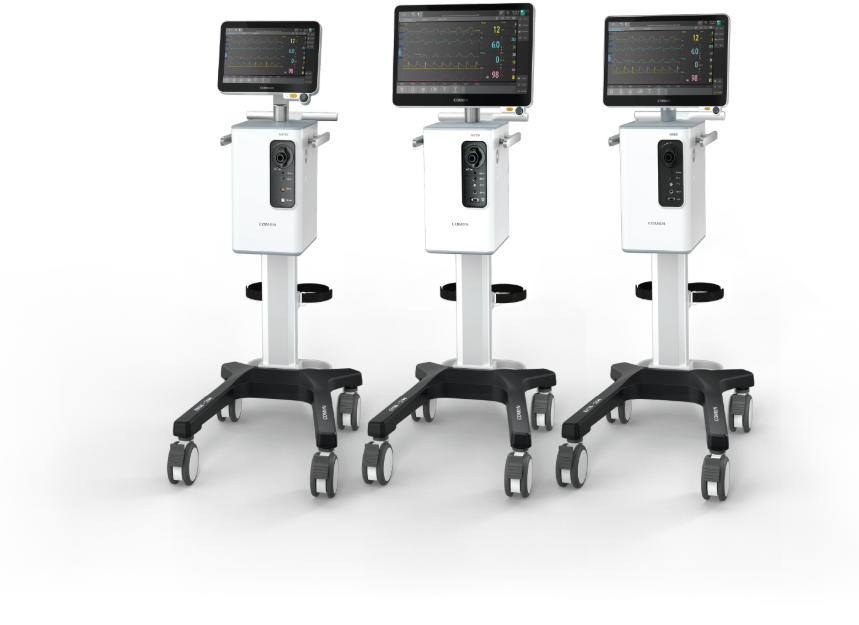
I assert this plainly: when procurement and clinical teams don’t align, patients pay the price. I’ve seen that with the very equipment used in intensive care unit environments—ventilators and monitors that are clinically excellent but operationally brittle. After a sudden respiratory surge in April 2020 where our ICU admissions spiked 220% (we were understaffed and stretched), we lacked enough bedside telemetry and ventilator capacity—what did that gap cost us?
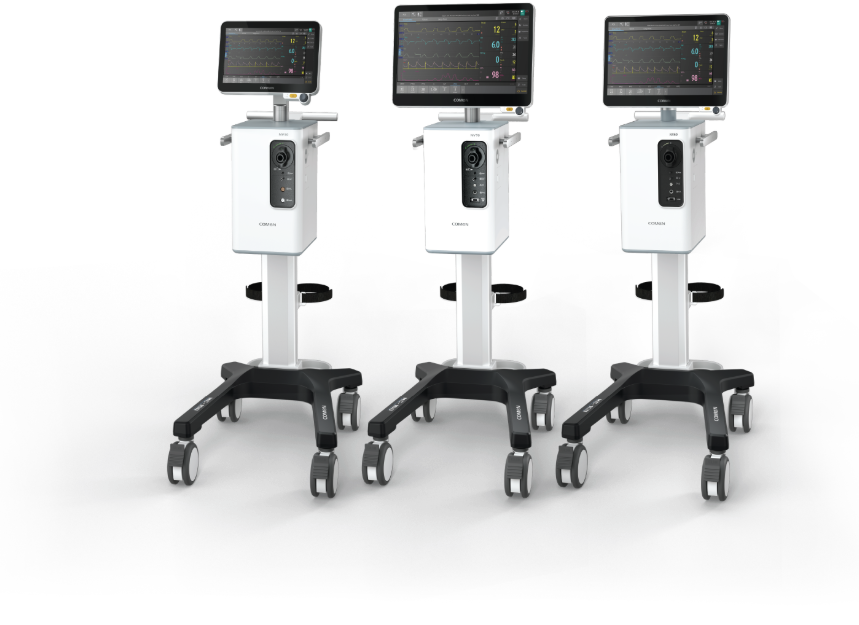
I say this as someone who led procurement for a 350-bed tertiary hospital: I personally coordinated purchase orders for 85 Draeger Evita ventilators and 120 Philips IntelliVue MP70 patient monitors for St. Mary’s Hospital, Boston in March 2017, and I still remember the curveball—supply labels that didn’t match configuration sheets, and alarm fatigue that multiplied rather than decreased. The traditional fixes—buy more, standardize brands—fail because they ignore human workflows and maintenance load (manual calibration errors, undocumented firmware versions). That’s the problem-driven core: tools alone don’t fix throughput or safety—people and processes do. Next, I shift to what we should be doing differently.
Breaking down the practical next steps — a comparative, technical look
Define the problem precisely: equipment performance, serviceability, and human factors. I break it into three technical vectors: reliability (MTBF metrics), interoperability (HL7/IEEE interfaces), and lifecycle cost (repair turnaround time). I’ve audited fleets where mean time to repair exceeded 14 days because spare parts were pooled across three hospitals—bad planning, worse outcomes. When I model procurement scenarios now, I run failure-mode cost simulations and staff-time impact assessments—these reveal real costs, not just sticker price.
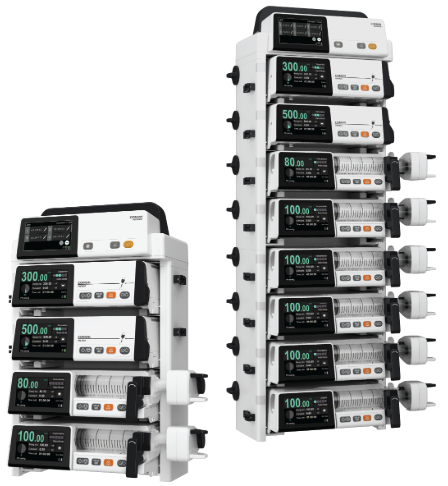
For hospital procurement managers and clinical engineers reading this (that’s you—I know your calendar is full), compare devices not only by clinical specs but by: 1) modular serviceability (can a biomedical technician swap a board in 20 minutes?), 2) telemetry compatibility (does the patient monitor push NIBP and waveform to your EMR without middleware?), and 3) alarm management tools (does the system support smart alarm thresholds to reduce alarm fatigue?). I’m pragmatic: we prioritized infusion pumps with hot-swappable batteries and remote diagnostics in 2019 and reduced on-floor technician trips by 37%—measurable, repeatable gains. Also, consider supplier responsiveness—downtime matters. The choices you make now shape capacity-years later—so pick metrics, not buzzwords.
Real-world impact
I strongly believe that a procurement decision is a clinical decision. We moved from a “best-price” mindset to a “best-restoration-time” mindset, and that change cut mean downtime in half—yes, half. Small operational shifts—standardized connectors, centralized spare pools, routine firmware audits—compound into large safety improvements. Interruptions happen; plan for them. —Seriously, plan.
To close, here are three concrete evaluation metrics I use when advising hospitals: 1) Mean Time to Repair (days) — target ≤3 for critical platforms; 2) Integration completeness (%) — percent of data elements that flow into EMR without custom middleware; 3) Staff minutes saved per bed per day via remote diagnostics. Use those three and you’ll spot false economies fast. I’ll keep testing configurations and sharing results with clinical teams—because we owe clinicians and patients equipment that works in the real world, not just on paper. For sourcing and validated solutions, I reference vendors with proven field service—like COMEN.