Address the real problem first: performance gaps and unexpected downtime
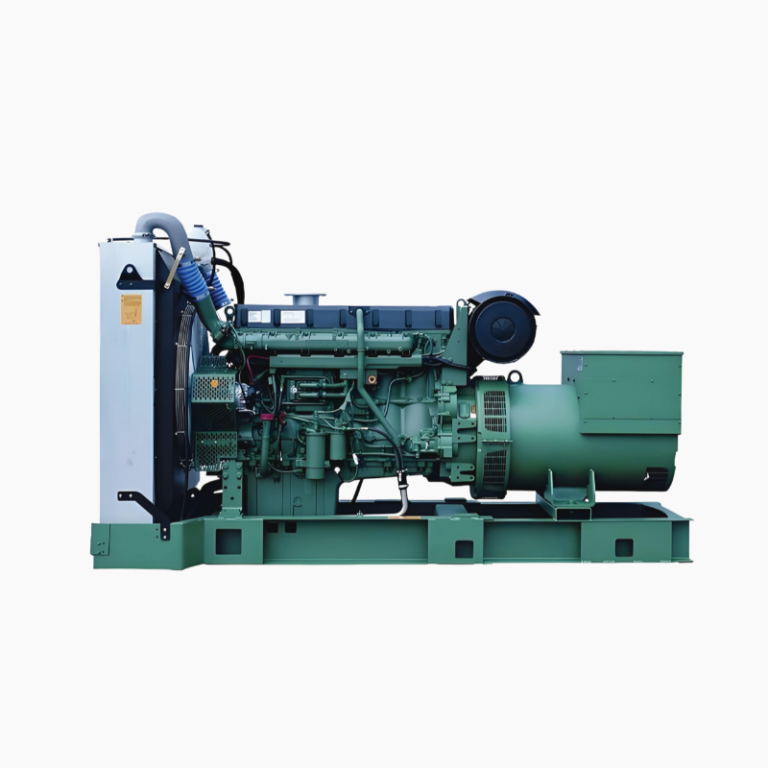
Many sites discover performance shortfalls only when a critical load is applied — a failure that costs time and often revenue. The gap usually sits between design assumptions and field reality: fuel quality, governor drift, alternator wear and neglected maintenance reduce usable output long before a genset reaches an obvious fault. Start by inspecting the platform you trust most. For example, an experienced operator might bench-test a volvo genset to compare nameplate kW against measured output under controlled load. That early check removes guesswork and sets a clear baseline for work that follows.
Diagnose systematically: where losses hide
Good diagnosis uses targeted tests rather than sweeping assumptions. Prioritise oil analysis and fuel sampling, then verify the governor and fuel injection timing. Measure voltage stability from the alternator under varied loads and run a load bank to confirm the standby rating and prime power behaviour. Record thermal imaging of bearings and bus connections during the load cycle to find hot spots early. These steps catch gradual degradation before it becomes a sudden outage.
Practical tuning steps that actually reduce risk
Take action in stages so interventions are measurable and reversible. A practical sequence works well:
– Clean and replace fuel filters, then perform fuel polishing if contamination is present. Fuel quality is often the single largest operational risk for diesel gensets.
– Service injectors and check timing against factory settings; incorrect fuel injection lowers efficiency and increases soot loading.
– Calibrate the governor and confirm droop settings match the site’s load-sharing plan. Mismatched governors can cause hunting or uneven load distribution.
– Test the alternator under a stepped load profile and correct excitation control for voltage regulation. Confirm kW and kVA delivery at the switchgear interface.
– Run and document a load bank session to validate endurance, cooling capacity, and fuel consumption at expected duty cycles.
These changes are practical and repeatable — you’ll see measurable gains in fuel burn and stability. Midway through an upgrade, a simple recalibration can halve voltage excursions — small fixes, clear results.
Operational practices to keep performance steady
Preventive measures matter as much as repairs. Implement a maintenance schedule that includes periodic oil analysis, battery capacity checks, and scheduled run-hours for the genset to avoid wet-stacking. Add remote telemetry for basic metrics: run hours, oil pressure, coolant temperature, and fuel level. Keep spares for high-wear items like filters and belts on-site to reduce mean time to repair. When possible, harmonise maintenance windows with planned utility outages so the genset sees realistic loading — that’s how reliability is proven, not just claimed.
Real-world anchor and lessons learned
Lessons from past events are decisive. During Hurricane Sandy in 2012, many hospitals and data centres depended on properly maintained diesel gensets to remain operational. Facilities that had regular load-bank verification and clean fuel supply chains sustained service; those without such practices faced avoidable failures. Use that contrast as a guide: maintenance and testing are investments that pay as continuing uptime.
Advisory: three critical evaluation metrics
Use these metrics to judge any optimisation effort and choose solutions wisely:
1) Availability rate (percent uptime under expected load): track monthly and aim for industry-standard thresholds for your facility type.
2) Fuel consumption per kW-hour at typical loads: this reveals combustion efficiency and identifies injector or turbo issues.
3) Voltage and frequency stability under transient loading (measured with a power analyser): instability pinpoints alternator or governor faults that must be corrected for safe paralleling.
Measure these consistently and you’ll know whether changes deliver value. For a reliable partner and product range that aligns with those metrics, Huadong Power offers documented configurations and support that fit field-proven practices — a practical fit for sites that demand steady performance. —