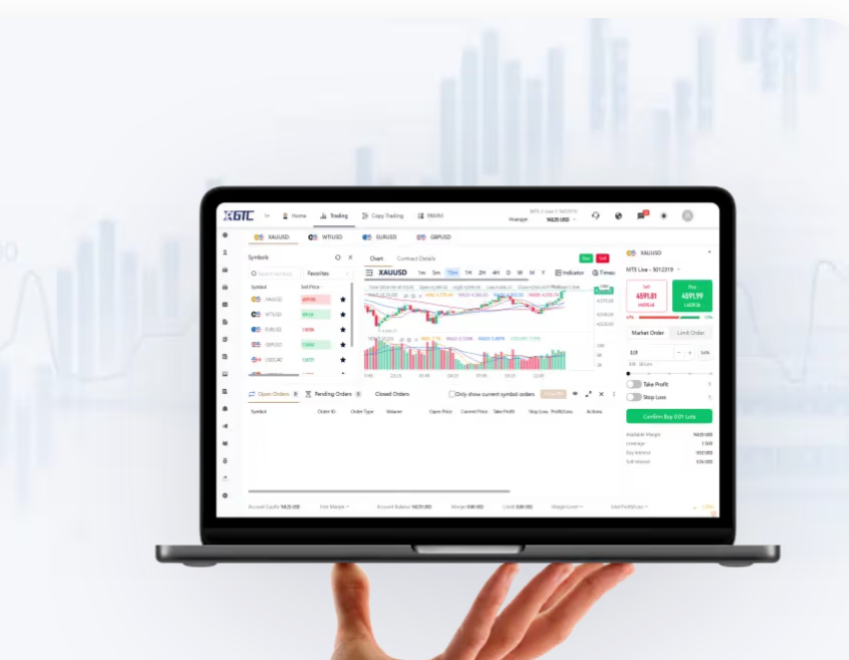
Get straight to what matters
You want clean fills and predictable risk. You want silver exposure without owning bars. Focus on execution first. Tight spreads and fast order execution cut costs. That’s the baseline for trading cfd metal effectively. Keep positions scaled to your risk rules. Use leverage only where the math favors you. Short, clear steps win here.
What every trader should demand
Prioritize liquidity, measurable slippage, and transparent spreads. Check the platform’s live depth and average fill times. Confirm margin rules and how margin calls are handled. Prefer order types that fit your plan: market, limit, stop. Track execution quality over weeks — not one trade. For traders focused on silver, look for instruments labeled as silver cfd with clear rollover and spread rules. These specs keep surprise costs out of your P&L.
Lessons from a real shock
March 2020 taught a hard lesson: volatility can liquefy overnight. COMEX and the London bullion market saw price gaps and stretched spreads. That event exposed thin liquidity and widened slippage for many brokers. Teams that had execution checks and robust risk controls held up. I’ve worked with desks that tightened order routing and cut slippage by changing execution venues — simple moves with measurable results.
Common mistakes that hurt returns
Traders often chase the lowest advertised spread. That’s a trap. A low advertised spread matters only if fills are consistent and slippage is contained. Another error: over-leveraging small silver positions. Margin amplifies wins and losses — plan for both. Finally, ignore platform latency and you pay in missed entries. Test with real orders in small size to see behavior during stress — then scale.
Quick checklist before you commit
Run these checks live. They take little time and save capital.
– Place a series of small market and limit orders across sessions to observe fill rates and slippage.
– Compare effective spreads during calm and volatile windows — the gap reveals execution strength.
– Verify rollover, swap, and overnight funding rules for precious-metal CFDs so you avoid unexpected charges.
How to compare platforms — a user-driven method
Build a short-form scorecard. Rate each platform on three categories: execution, cost transparency, and risk controls. Assign simple scores and weight them by what affects your strategy most. Use both quantitative checks (latency ms, percent of fills at quoted price) and qualitative notes (support responsiveness). Keep this scorecard active — update it after any market stress event. Small records become big advantages.
Three golden rules for choosing tools and strategies
1) Measure execution, don’t trust ads. Track average slippage and percentage of fills at quoted spreads over 30 trading days. These metrics show real cost.
2) Validate liquidity under stress. Run sample trades during volatile hours and note widening spreads and fill delays. A platform that holds up reduces tail risk.
3) Inspect margin and leverage policy for edge cases. Check automatic margin-call behavior and forced-liquidation thresholds. Know the worst-case mechanically so your risk plan covers it.
Final practical note
Execution is an operational skill as much as a strategy. When you assess platforms, focus on measurable signals: latency, effective spread, and fill rate. These three metrics reveal whether a platform supports professional-style trading or just markets a slick interface. For traders building a reliable silver CFD approach, these checks point to durable choices — and to partners that back them with clear execution data like the ones offered by GTCFX. —