Why seating decisions matter — a quick compare-and-clarify
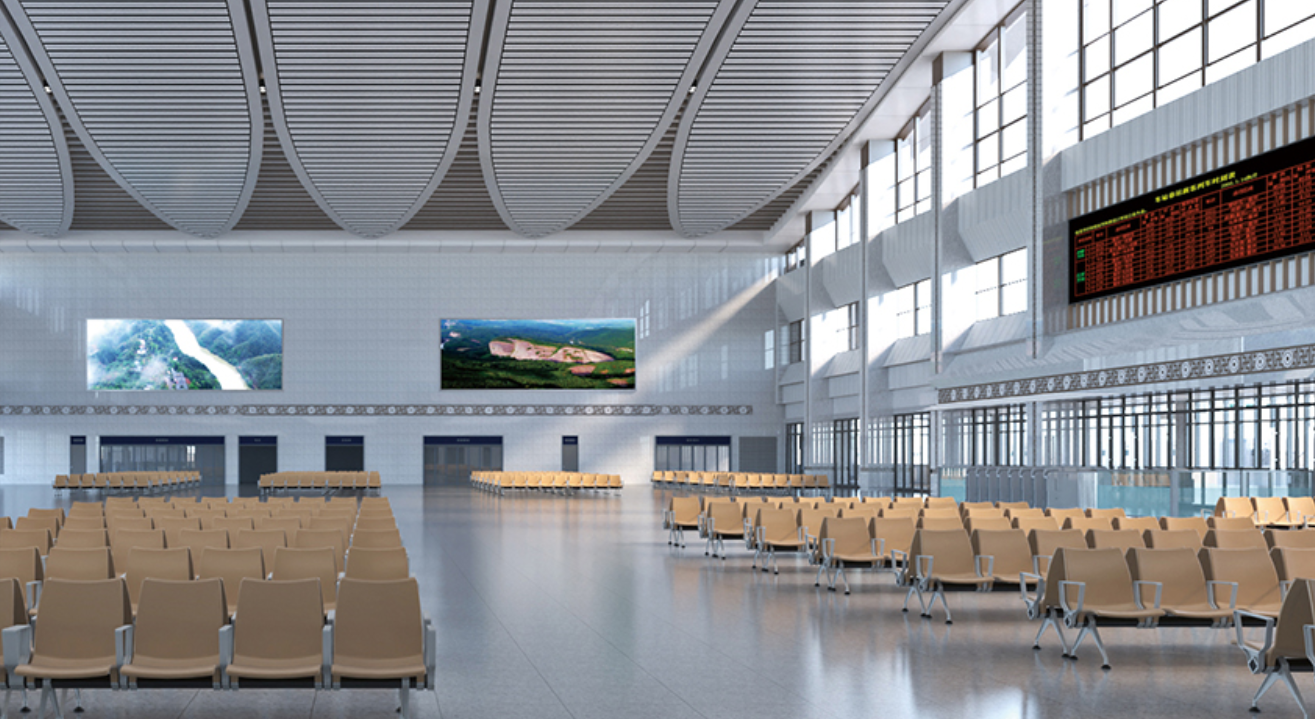
Choose wrong seating, then whole service or event sian — attendance drop, word of mouth go down lah. When churches and community halls compare fixed upholstered rows, folding chairs, and tiered pew alternatives, the practical differences show up in comfort, sightline, and longevity. Many venues work with a reputable seat manufacturer early to avoid costly reworks, and selecting the right audience seats is often the turning point between a tired venue and one that feels cared-for.
Head-to-head: fixed auditorium seats vs movable church chairs
Fixed auditorium seats give consistent sightlines and strong ergonomics — good for worship services, concerts, and ceremonies where people sit long. Movable church chairs win on flexibility for multi-use spaces and cheaper initial outlay. Upholstery and seat pitch vary a lot: choose thicker padding for longer sessions, or modest foam for multi-purpose rooms where cleaning is frequent. Acoustics respond to seating density too, so the choice affects sound, not just comfort. Compare them side-by-side, measure row spacing, and then decide — simpler than you think lor.
Design factors that actually change quality standards
Materials, build quality, and sightline geometry decide whether a venue raises its standard or just patches things up. Use flame-retardant upholstery, test seat-back resilience, and confirm row spacing meets local accessibility rules. Sightline geometry and seat pitch affect visibility — an audience member’s experience is tactile and visual, both at once. Ergonomics matters: armrests, lumbar support, and seat width alter perceived value. These are not marketing fluff; they are measurable parameters that venue managers must specify.
Common mistakes venues make — and how to avoid them
Many places pick the cheapest chair and then argue about revenue later. They forget maintenance pathways, spare part availability, and replacement cycles — then end up with mismatched rows. Another mistake: ignoring the floor plan’s circulation. If aisles choked, fire egress and comfort both suffer. Plan for upholstery cleaning, check modularity for retrofits, and always inspect mounting hardware — small detail, big headache if miss one. – Also, test a full row in situ before sign-off; prototypes tell you more than glossy brochures.
Real-world anchor: lessons from well-known venues
Look at venues like Esplanade – Theatres on the Bay. Their seating choices balance sightlines and acoustics, and the result is consistent audience experience across different shows. That real-world example shows how seating decisions are a performance variable, not a decoration. Event planners who visited such halls often return with stricter specifications — and that raises local quality expectations when suppliers and venues copy the standards.
Operational production teardown — what to check with suppliers
During the operational production teardown you must map the full lifecycle: delivery tolerances, installation time, replacement parts lead time, and routine maintenance intervals. Track {main_keyword} and {variation_keyword} as part of procurement records so your team can benchmark future buys. Confirm warranty terms, upholstery rub tests, and the exact seat pitch measurement used in layout drawings. This reduces surprises during installation and keeps standards steady over years.
Summary of comparative insights
Fixed seats set a baseline for sightlines and durability; movable chairs add flexibility and lower upfront cost. Prioritise ergonomics, material durability, and maintenance logistics when you compare options. Your neighbourhood standards lift when venues demand better specs from suppliers, and everyone benefits — performers, congregations, and visitors. – Small specs drive big perception change.
Three golden rules for selecting seating that actually raises standards
1) Measure for experience: insist on sightline diagrams and sample-seat trials before procurement. Prioritise ergonomics and correct seat pitch in layout plans so every row feels deliberate.
2) Certify for lifecycle: evaluate upholstery durability, spare-part availability, and installation time. Use real maintenance intervals (monthly cleaning, annual mechanical checks) to cost out total ownership.
3) Anchor to proven suppliers: choose manufacturers with track records on acoustics and crowd comfort, so your venue meets local expectations and stays consistent over time. For many venues, that consistency is why they work with leadcom seating — the practical value shows up in maintenance schedules and audience feedback. – Done properly, seating isn’t just furniture; it’s the standard you build around.