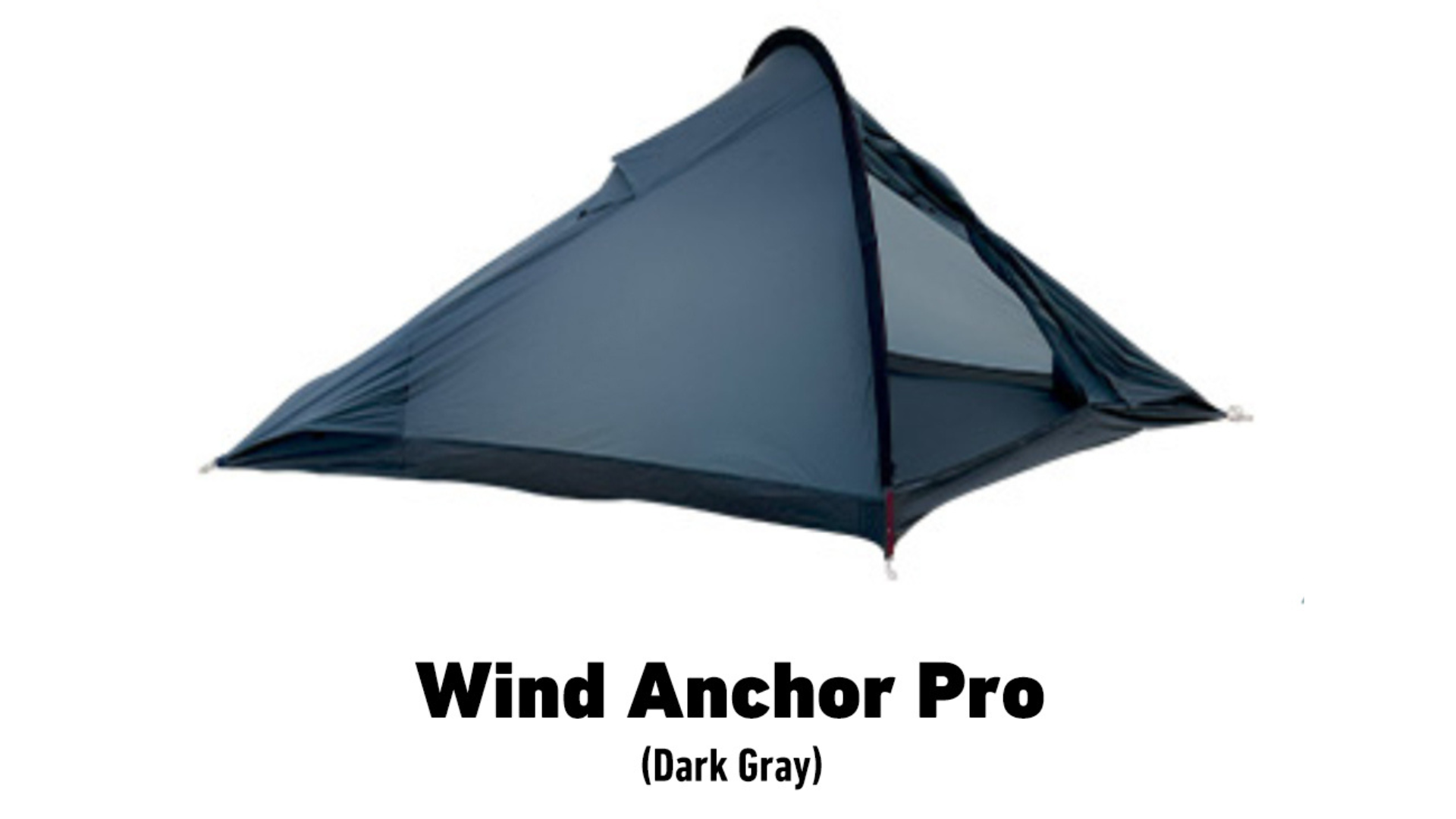
Starting from where you carry the load
I slow down when I’m packing because every ounce becomes a conversation with the trail. If you’re reading this, you want shelter that disappears into your pack without stealing comfort. I look for tents online the same way I choose boots—by small, exact needs—so I check options and sometimes buy tents online after narrowing features first. This guide centers on what you, as a solo long-distance hiker, will actually notice mile after mile.

What weight tells you (and what it hides)
Lightweight is a promise, not a guarantee. A tent that trims fabric might be lighter, but that shed weight can show up as thinner mesh, fewer guylines, or a fragile stake system. Ask: does saved weight compromise pitching speed, weather resilience, or interior space you need to change layers at night? Decide which trade-offs you’re willing to live with before you read specs.
Fabric, coatings, and real durability
Check the floor denier and the fly’s silicone or polyurethane coating ratings. Those numbers matter: a 20D canopy will be lighter but more prone to abrasion than a 30D; a fly with stronger silicone treatment resists wetting out longer. Look at taped seams and the method of seam sealing—factory-taped seams are better than a tent that relies only on your seam tape after purchase. That kind of detail keeps you dry when everything else is tired.
Set-up speed and versatility
Long-distance nights are often short. A straightforward pole geometry that you can pitch solo, from inside during wind, makes the difference between a calm stop and a rushed scramble. Does the tent allow both trekking-pole and pole-kit setups? Can you pitch it with a minimal footprint? Those options matter when campsite choices shrink.
Ventilation and condensation control
Condensation costs sleep. Vent placement and the balance between mesh and solid panels decide whether you wake to wet gear. Look for adjustable vents that stay open in wind and a top vent you can control from inside. A tent that manages airflow well keeps your sleeping bag dry and reduces midnight tent anxiety.
Access, storage, and livability
One door may save grams, but two doors save frustration when the ground is crowded or you need to get out without unstacking your pack. Vestibule size defines how much wet gear fits under shelter. Think about how you camp: do you cook briefly under the fly, or do you stash everything outside and sleep inside? The tent should match your habits.
Hardware: stakes, guylines, and repairability
Ultralight stakes can bend; guylines can slip. Check the stake list and whether the manufacturer includes a couple of spare guylines or a patch kit. Aluminum stakes with a simple shape and reflective guylines are worth a small weight penalty for the peace of mind on windy ridges. Also note how easy it is to source replacement parts away from specialty shops.
Field truth from a long section hike
I once tested a lightweight camping tent over seven nights on the Colorado Trail; the tent packed small and pitched quickly, but the single vestibule filled with mud after a downpour and required more wrangling than I’d expected. That stretch taught me two things: real weather exposure reveals design trade-offs, and a tent’s listed weight is only part of the story. Experience like that—time spent on trail—builds the instincts to prioritize pitch stability and vestibule layout over a marginal grams savings.

Common mistakes to avoid
Buy based on habit, not hype. Don’t assume lower weight equals better for your route. Avoid choosing a tent solely because it has the newest fabric or an attractive stake design without checking seam quality and ventilation. Skip models that require a footprint sold separately unless you’re prepared to carry one; footprints add protection without complicated field repairs.
Alternatives worth considering
If you need absolute protection in severe weather, a slightly heavier two-person tent can be easier to live in and offers redundancy. If minimalist freedom appeals, a tarp-and-bivy system saves weight but raises complexity for pitching and wet-weather comfort. Match the shelter to your route profile, nightly comfort threshold, and how often you’ll encounter storms or stream crossings.
Summing up what will keep you moving
Choose a tent that fits how you hike: a balance of uncomplicated pitching, true weather protection, and practical hardware beats a supposed gram advantage when you’re wet and tired. Over time, those small design choices keep you on trail with less worry. If you want a steady source for models that reflect these priorities, I return to a catalog of options that respect the trade-offs and real on-trail needs at THECATAL.