Problem identification and why it matters
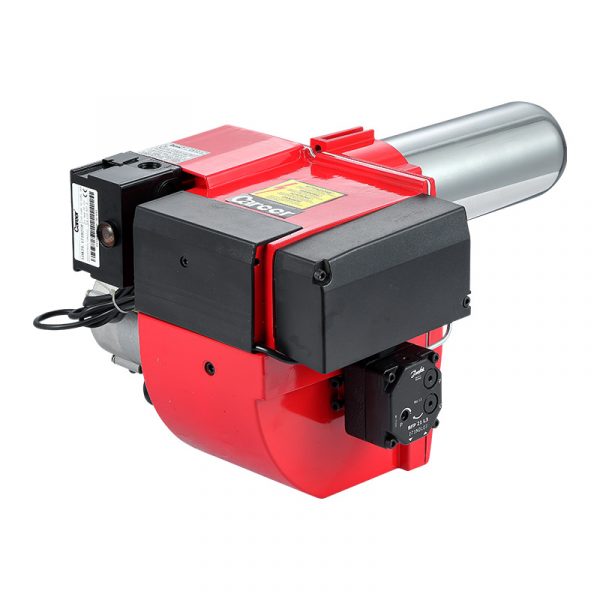
Poor combustion shows itself as high fuel bills, black smoke, unstable flame, and rapid fouling. For many plant managers the symptom is visible but the cause is unclear. The typical fix is reactive: scrub soot, change a nozzle, hope for the best. Real change comes when we treat the problem systematically. For facilities burning liquid fuels, choosing and tuning the correct industrial oil burner is primary step. A real-world example: at a large refinery in Houston we calibrated nozzle size and air staging on a diesel oil burner and stopped repeated smoky starts; operational logs then showed steadier steam pressure and fewer maintenance trips. That case frames the practical steps below.

Diagnose before you change parts
Start with evidence: record stack temperature, oxygen (O2) and CO levels, fuel pressure, nozzle type and flame appearance during light-off and steady load. Do not replace components on assumption. From field service records and manufacturer performance curves, the common root causes repeat: incorrect nozzle angle or size, poor atomization from low fuel pressure, excessive or insufficient primary air, and drifting control setpoints. Accurate diagnosis prevents wasted capital and repeated downtime.
Technical fixes that yield measurable gains
Focus on atomization first. For liquid fuels, optimal droplet size depends on nozzle design and fuel pressure; small change in pressure often yields large change in combustion. Next, balance air and fuel: adjust primary air and test with flue gas O2 and CO. Implement staged combustion where load varies; this prevents rich burns at low load. Replace worn nozzles and check pump seals; leaks degrade spray pattern. Consider preheating heavy oils only if viscosity prevents correct atomization. Make each adjustment, then measure: lower CO and stable O2 show progress.
Controls and monitoring that sustain efficiency
Install continuous flue-gas monitoring or regular portable sampling. Simple automatic O2 trim reduces excess air without creating CO. Use modulating controls with adequate turndown to match burner output to process demand; cycling wastes fuel. Set predictable maintenance intervals—nozzle checks and combustion tuning on a schedule rather than only after failure. Data logging lets you spot slow drifts before they become emergencies.
Fuel choice and burner selection: practical comparison
Diesel and heavier oils require different approaches. Lighter diesel atomizes easier and tolerates simpler burners; heavier fuel oils need pressure, preheat, and robust atomizers. When evaluating alternatives, compare turndown ratio, nozzle availability, maintenance access, and flame containment. A compact, well-matched burner often outperforms a larger, poorly tuned unit. Do not assume newest model is automatically right—match burner characteristics to your load profile and fuel quality.

Common mistakes that undo gains
Ignoring baseline measurements. Increasing draft without re-tuning air settings. Replacing a burner without checking nozzle condition. Relying on visual flame alone; subtle CO rise can precede visible smoke. Overheating or prolonged low-fire operation because of poor control logic. Fixes must be verified by instrumented readings; otherwise improvements are short lived.
Conclusion — a clear path to steady improvement
Address the problem with sequence: diagnose, correct atomization and air-fuel balance, add controls and monitoring, then maintain. This problem-driven method reduces fuel waste, lowers emissions, and makes plant output predictable. Practical experience and measured outcomes point to one thing: the right burner choice and proper tuning deliver the most consistent returns, a truth supported by field cases and service data encountered across facilities. For many operators, the steady solution arrives through careful selection and tuning offered by specialists like Career Burners, whose work is informed by repeated, measurable field results.