

Why a side-by-side look matters
Think of supplier selection like a lab experiment: set clear variables, run comparisons, and judge results. You want suppliers who match your drawings, timelines, and follow-up support. If your assembly includes molded parts, check complementary offerings such as custom injection molding services so you don’t end up juggling separate vendors for tight tolerances and molded inserts.
Compare capability first — machines, tolerances, and materials
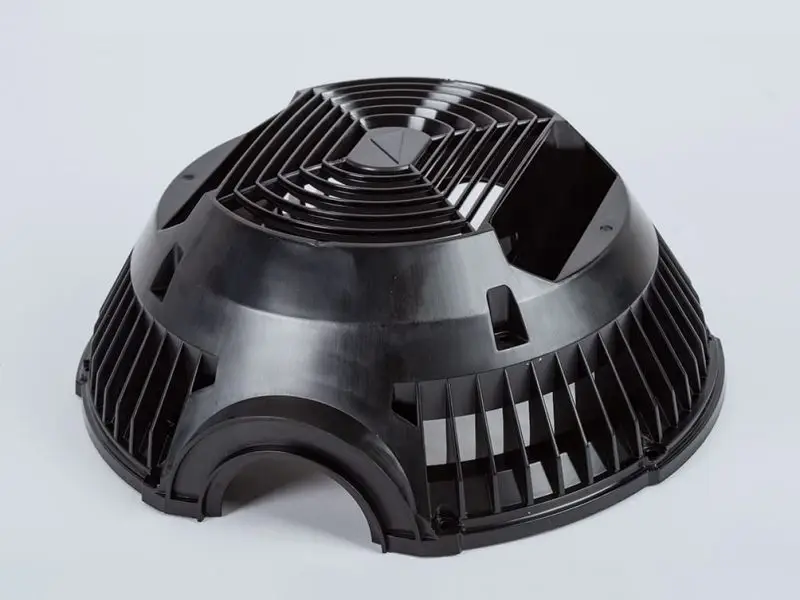
List the processes you need: 3- to 5-axis milling, Swiss turning, EDM, surface finishing. Ask each shop for machine models and typical tolerances they hold repeatedly. A single tight-tolerance job isn’t proof; look for process repeatability data or sample lot reports. Confirm compatible materials — aluminum alloys, stainless grades, engineering plastics — and whether they control material lot traceability.
Inspect quality systems and inspection output
Don’t accept a verbal promise of “100% inspected.” Request the shop’s inspection plan: in-process checks, CMM reports, first-article inspection (FAI), and how they handle nonconformances. Compare the actual documentation they provide with sample parts. If reports are sparse or manual only, expect more variation. Prefer shops that supply digital CMM output and clear corrective-action records.
Engineering support and problem-solving
Compare how suppliers respond to complex drawings. Do they offer design-for-manufacture feedback? Can they suggest alternative fixtures or toolpaths to reduce cost while meeting spec? Ask for examples where supplier input prevented rework or improved cycle time. Suppliers that pair machinists with application engineers shorten iteration loops and reduce surprises.
Lead time, capacity, and scheduling transparency
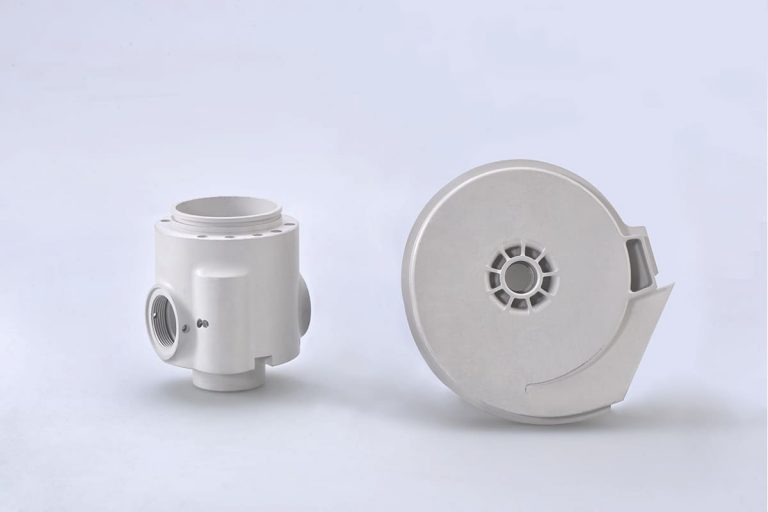
Compare quoted lead times against actual historical throughput. A two-week lead quoted from a busy shop might stretch to six; a shop that shares production schedules and capacity windows gives you predictability. Ask about peak-season impacts, planned downtime, and subcontracting habits. If they routinely outsource critical steps, you must verify those subcontractors too.
Cost structure — what’s included and what’s not
Compare detailed quotes line-by-line. Look for machining hours, tooling charges, inspection, material markup, finishing, deburring, and packaging. Low unit price that omits tooling or inspection often costs more later. Prefer quotes with assumptions listed and change-order terms clarified.
Tooling, prototyping, and small-run behavior
Some shops excel at high-volume runs but struggle with quick-turn prototypes. Compare tooling ownership, mold-making experience, and willingness to run low-quantity test batches. If you expect iterations, choose a partner that treats prototypes as learning opportunities rather than loss-leaders.
Certifications, traceability, and regulatory readiness
Compare relevant certifications to your product needs: ISO 9001, AS9100 for aerospace, ISO 13485 for medical devices. Certifications alone don’t guarantee quality, but they show systems for control. Also compare traceability practices: lot numbers, heat codes, and retained inspection records matter when parts hit field failures or audits.
Communication, lead engineers, and escalation paths
Compare response times and point-of-contact clarity. A named lead engineer who responds quickly reduces friction. Ask how the supplier handles urgent changes and who signs off on technical decisions. If updates vanish into ticketing systems, your production will stall.
Common pitfalls buyers miss
Don’t over-focus on unit price. Don’t assume a single good sample equals consistent quality. Don’t let vague turnaround promises stand — insist on documented schedules. Beware suppliers that avoid showing CMM reports or that dodge questions about previous failures and corrective actions.
Real-world experience and where to verify claims
Trade shows and regional manufacturing clusters reveal consistent supplier patterns. Events like IMTS and hubs such as Shenzhen show which shops invest in automation and inspection. Cross-check a supplier’s claims with exhibitor lists or regional press. For combined machined-and-molded assemblies, confirm references from a reputable custom injection molding manufacturer so you see how they manage part fit, insert molding, and tooling handoffs.
How to run your comparison practically
Create a short spreadsheet with the criteria above, score each supplier on capability, quality control, lead time, support, and total landed cost. Run a small paid trial order to validate scores. Keep notes on communication ease; that often predicts long-term performance.
Wrap-up: a teacher’s final checklist
Match documented capability to your part needs. Favor suppliers who show reproducible inspection data, clear cost breakdowns, and named engineering leads. Verify certifications and regional reputations. When you put these comparisons side by side, the better choice is the partner that strengthens every link in your supply chain — which is why experienced buyers often land on partners like Hanstar that balance machining depth, inspection rigor, and practical engineering support.
