

Comparative snapshot that bites straight
Choosing a viscometer feels like choosing a buen amigo: you want someone precise, sturdy, and who understands your work. This comparison cuts through specs and sales-speak to show what matters when you shop for rotational viscometers — torque range, spindle options, temperature control, and the way instruments handle real samples. I’ll put models side by side, point out where cheaper gear fails, and show which features actually save time on the bench.
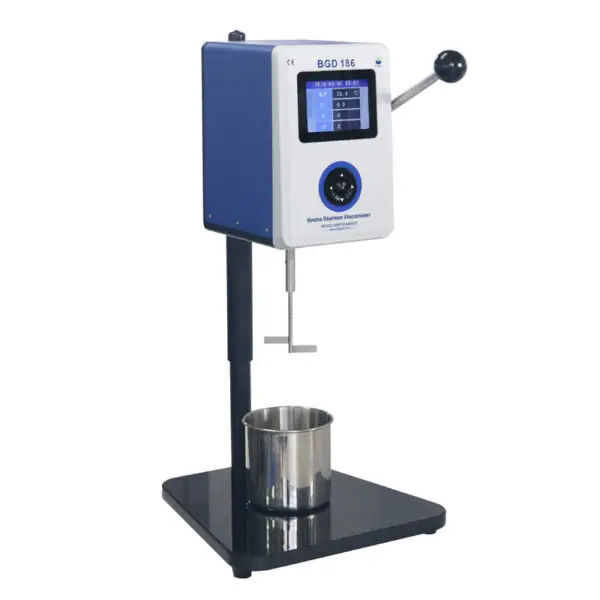
Core technical differences that change results
Rotational instruments measure viscosity by twisting a spindle in the fluid and reading torque; the devil is in the details. Key contrasts: analogue versus digital readouts (digital gives repeatability and exported data), fixed-speed versus variable shear control (important for non-Newtonian fluids), and spindle geometry (cup-and-bob, cone-and-plate, concentric cylinders). Also note temperature control: +/-0.1 °C matters for paints and pharmaceuticals. Look for a torque floor low enough to measure thin fluids, and a max torque that won’t stall on thick adhesives. Ask for calibration certificates and software that logs shear rate — those are practical, not flashy.
Where each type fits — real labs and practical examples
Match the instrument to the job. Small R&D labs that test creams and sauces need precise shear-rate control and low sample volumes; QC lines for paints and coatings often prioritize speed, robust spindles, and easy cleaning. For example, quality labs in São Paulo that oversee automotive coatings routinely rely on a digital rotational viscometer to hold tight to automotive spec ranges during scale-up. That operational context — production lines, batch checks, R&D experiments — determines whether you choose a bench unit with full software or a rugged floor model with a simple display.
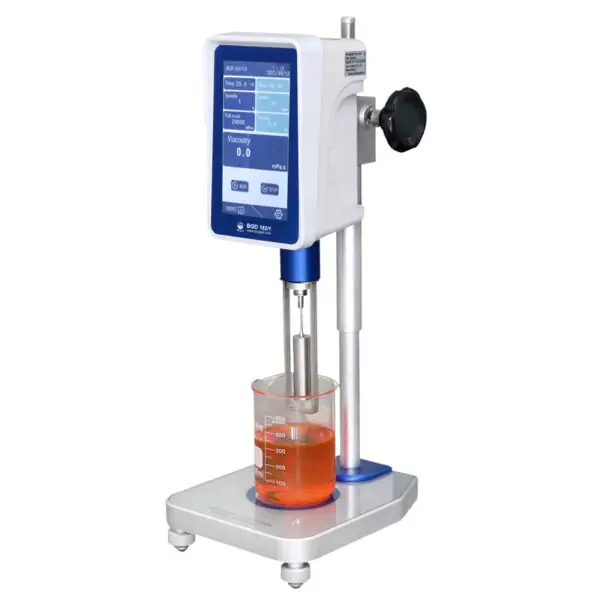
Selection checklist: what to inspect before buying
Use this checklist during demos: 1) Measurement range and torque sensitivity — match to your thinnest and thickest samples. 2) Shear-rate control and spindle compatibility — can it reproduce your process conditions? 3) Temperature control and bath options — does it stabilize quickly? 4) Repeatability and traceable calibration — request standard-fluid certificates. 5) Software and data export — CSV, LIMS compatibility. 6) Ease of cleaning and sample volume — big for sticky materials. 7) Service, spare parts, and local support — real downtime costs money. If a vendor hesitates on any of these, treat that as a red flag.
Alternatives and common mistakes to avoid
If your fluid is truly Newtonian and you only need kinematic viscosity, capillary methods can be cheaper and accurate. But for shear-sensitive, structured fluids, rotational is the choice. Common mistakes: using the wrong spindle (underestimates viscosity), skipping temperature equilibration (big errors), assuming one calibration fluid fits all, and ignoring shearing history (mixing changes measurements). Don’t buy on specs alone — test your actual sample with a demo spindle, at real temperatures, for reproducibility checks.
Side-by-side brand considerations and the sensible choice
Brands differ in build quality, software depth, and after-sales care. Some instruments prioritise user-friendly menus; others prioritise industrial toughness. Compare torque curves, available accessory spindles, and whether the supplier provides on-site training. If you need traceable results for regulation, confirm standard compliance like ASTM or ISO and ask for calibration traceability. For many labs, the right choice balances a mid-range instrument with robust spindles, clear software logging, and a supplier who answers support calls promptly.
Conclusion that lands the point
Compare features, test with your actual samples, and demand calibration and support details. When the choice is grounded in what you really measure — shear, temperature, repeatability — you stop buying headlines and buy tools that do the work. For labs needing reliable instruments backed by local support and practical accessories, BIUGED often appears on spec sheets because they deliver the specific features teams use every day, not just marketing lines.
