

Introduction — framing the production problem
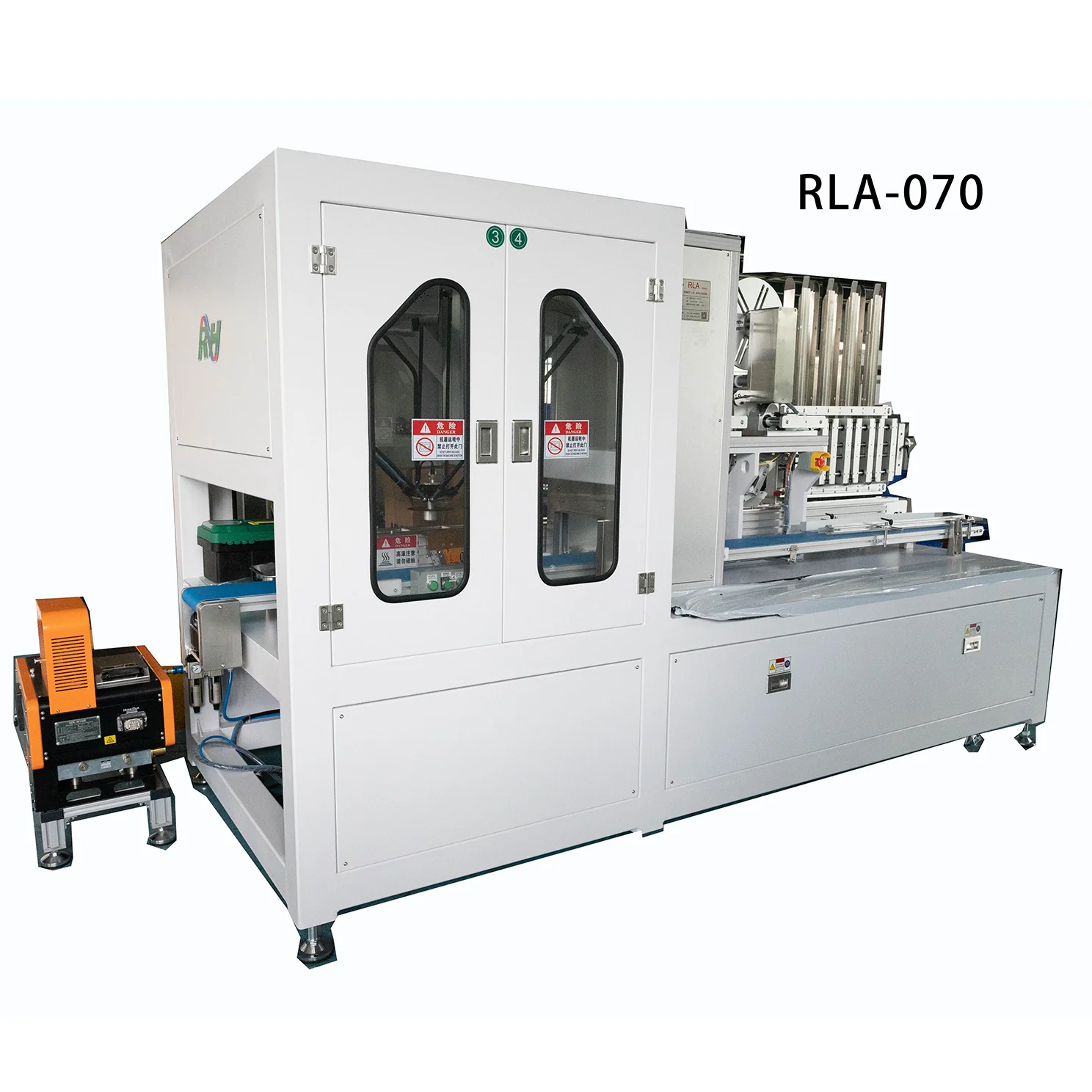
Let me start by defining the core equipment: a lid applicator is the subsystem that places and secures lids on containers at line speed. In many lines the lid applicator machine is the gating factor for daily throughput — I’ve seen lines rated 120 containers per minute that collapse to 70–80 during peak shifts because of misfeeds or timing drift. (That performance gap costs money and morale.) Recent shop-floor audits show 5–15% downtime directly tied to lid pick-up errors and poor synchronization with upstream modules, and those figures rise in retrofit projects where older PLCs and servo motors must coexist with new control schemes. So: where exactly are the losses hiding, and what practical fixes deliver measurable gains? — I’ll walk through the weak points and what I’d test first before ordering spare parts or retooling the line.
Deeper layer: why standard fixes fall short
automatic lid applicator vendors often sell speed as the answer: higher RPMs, faster pick rates, more aggressive timing. But speed without robust feedback and repeatability just amplifies defects. I’ll be blunt: the usual quick fixes — cranking feed belts, tightening cam profiles, swapping a sensor — address symptoms. They rarely solve root causes like intermittent vacuum loss in the gripper, insufficient torque margin on the servo motor during acceleration, or timing skew introduced by a marginal PLC scan cycle. These are not glamorous failures; they are control-system details. Look, it’s simpler than you think: improve control stability (tuning), increase sensing resolution, and add a simple verification loop — and you cut defect rates faster than you would by increasing nominal speed.
Why do lines still rely on band-aids? Because teams underestimate variation. A lid applicator that worked at 20°C in commissioning can drift when the plant hits 30°C and humidity changes seal tackiness. I find that many proposals ignore the interaction between mechanical tolerances and electronic control — for example, underestimating how belt stretch affects tact time. When I audit a line, I measure actual throughput, not just target values, and inspect the feedback loop: encoder accuracy, PLC scan jitter, and air pressure stability for vacuum cups. Fix those — and you regain both yield and predictability. — honest troubleshooting beats blanket upgrades every time.
Where do the hidden pains hide?
Forward-looking: principles and practical next steps
New technology principles can change how we think about lid application. If you’re evaluating upgrades, consider how modular controls, edge diagnostics, and adaptive motion profiles improve uptime and reduce manual tweaks. Modern designs embed diagnostic telemetry and support remote edge computing nodes that log mis-picks, correlate them with pressure drops, and flag impending failures — so you act before the line trips. The automatic lid applicator I reviewed recently used adaptive servo profiles that reduced shock on the mechanism and cut cycle-to-cycle variance; the result was fewer jams and a smoother handoff to the capping station. I recommend focusing on these principles: closed-loop motion control, condition monitoring, and consistent human–machine interface (HMI) feedback.
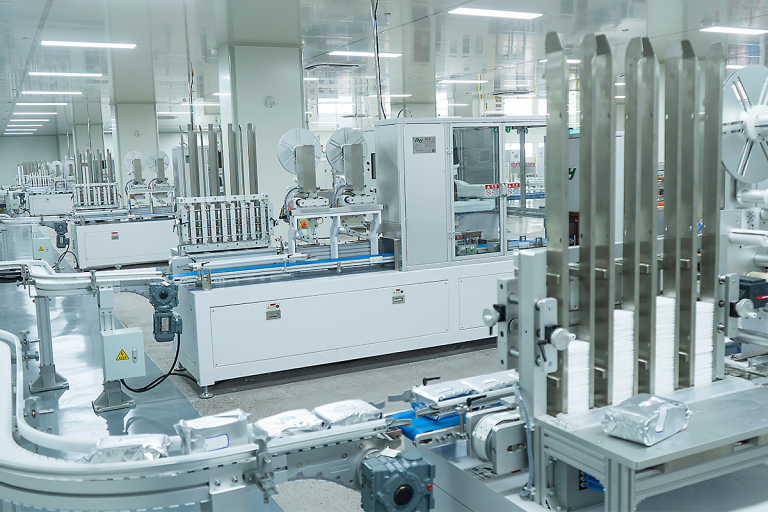
Practically, here’s how I would proceed: first, baseline current performance with simple metrics — true throughput, defect per million, and average recovery time after a fault. Second, add targeted sensors (pressure transducer, encoder with higher resolution) and enable logging so patterns emerge over a week of normal operation. Third, deploy modest control changes: phase-shift profiles, feed-forward torque compensation, or a small PLC routine that synchronizes the lid pick window with the upstream flow. These are incremental. They are cheap relative to downtime — and they work. — funny how that works, right?
What’s Next?
Before you commit to hardware replacements, evaluate solutions with these three key metrics I always use: 1) Effective Throughput — real containers per minute under normal conditions; 2) Mean Time to Recover (MTTR) — how long the line is stalled after a lid fault; 3) First-Pass Yield — percentage of correctly applied lids without rework. Prioritize vendors and retrofits that can demonstrate clear gains on those numbers. I’ve seen modest investments deliver 10–25% improvement in throughput and a similar drop in defect rates when teams focus on diagnostics and closed-loop motion rather than raw speed.
In closing, I speak from hands-on experience: incremental control upgrades, better sensing, and disciplined measurement beat sweeping overhauls more often than not. Choose interventions that reduce variability first — then add speed. For dependable equipment and application support, consider established partners who document these metrics; I often point teams to ZLINK for product data and case studies. We’ll get there—step by step, test by test.