

Introduction — Why this matters now
Have you ever wondered why some lab investments pay off quickly while others drag on? I see it all the time: a hospital buys a new machine, yet sample backlog stays stubbornly high. In this context, automated nucleic acid extraction has become central to throughput and speed (think: dozens of runs per day, not just one).
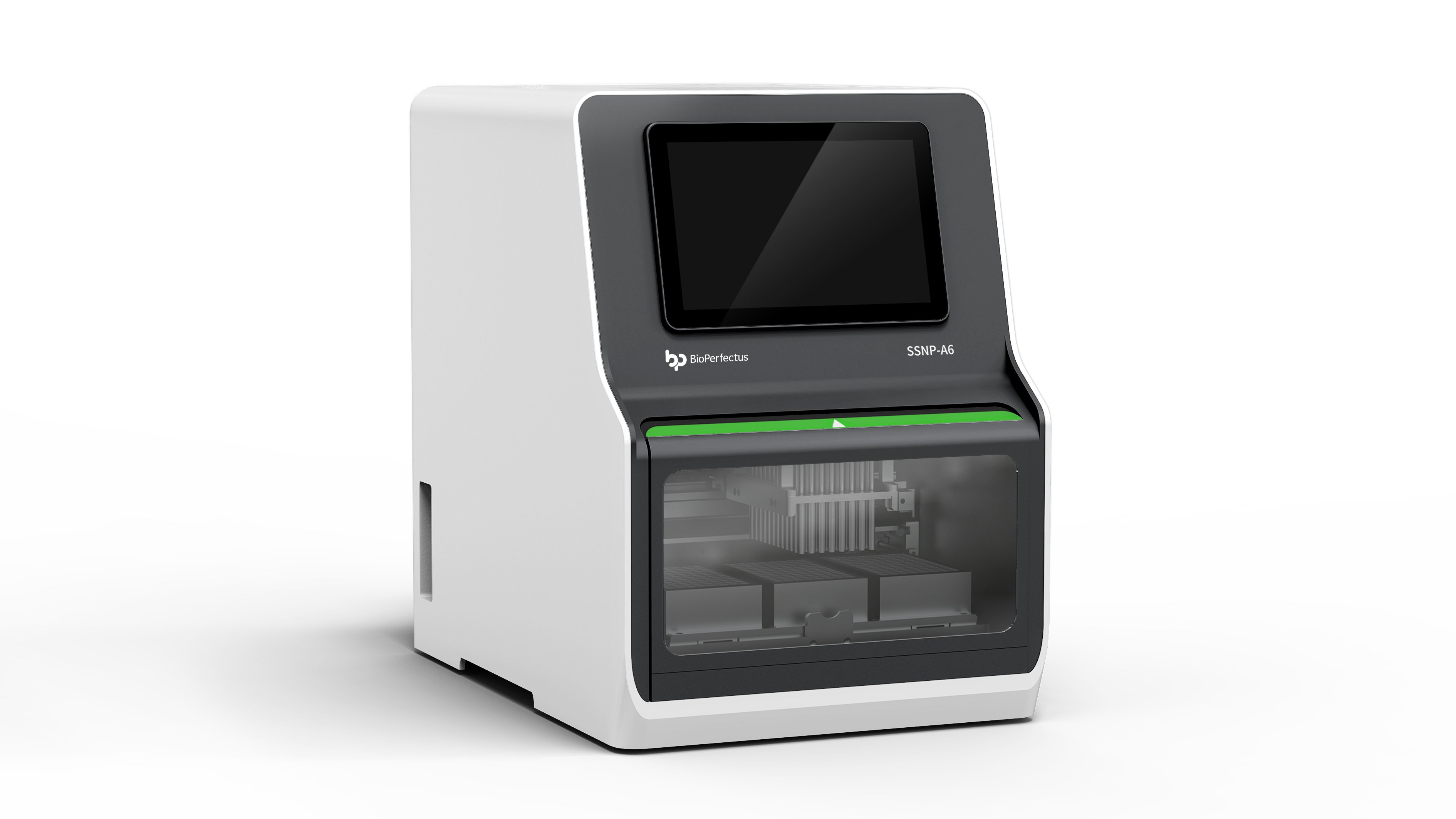
Data tells a blunt story. Labs upgrading to automated systems report 2–5× higher sample throughput and fewer manual errors within weeks. But the numbers don’t tell the whole story: what trade-offs did teams accept to get that boost? We need to ask whether speed came at the cost of consistency, reagent waste, or hidden downtime.
As an investor-minded reader, I’m focused on predictable returns. I want concise metrics: uptime, hands-on time, and per-sample cost. That’s why I’ll walk through where most solutions fall short, and what real buyers tell me in the field.
This leads directly into the practical problems labs face day-to-day — and why the next choice matters.
Deep Dive: What’s wrong with current solutions?
Why do lab workflows still break?
I’ll be direct: many systems look great in brochures but choke under real loads. When teams first adopt an automated nucleic acid extraction instrument, they often hit the same pain points within weeks. The root causes are predictable — poor integration, fragile magnetic bead handling, and inconsistent elution volumes. These are not academic issues; they add up to lost runs and stress for staff.
Technically, the failure modes cluster around reagent handling and protocol rigidity. A rigid automation platform may not tolerate small changes in lysis buffer chemistry or a different reagent lot. That sensitivity creates rework and manual overrides. Look, it’s simpler than you think: if the instrument can’t adjust to slight shifts in sample type, staff will bypass automation. — funny how that works, right?
Hidden user pain points that vendors rarely admit
What users actually complain about?
From my conversations with lab managers, three complaints recur. First, calibration and maintenance windows are underestimated. Second, consumable cost per run spikes when protocols are tweaked. Third, PCR inhibitors sneak in when extraction isn’t robust across sample types. These are not subtle; they erode confidence fast.
We need instruments that handle variation: blood, swabs, tissue — without dozens of manual adjustments. The ideal device balances magnetic bead-based purification with robust sample mixing and automated checks. When that balance is missing, teams find themselves back to manual steps. I’ve seen it: teams buy automation to save labor and end up running a hybrid workflow instead.
Forward Look: What could change next?
What’s next for extraction tech?
Looking ahead, I expect three shifts to matter. First, smarter sensor feedback during extraction. Second, modular cartridges that lower maintenance time. Third, clearer metrics for performance benchmarking. When vendors build instruments that report real-time run health and reagent status, labs get predictable uptime and easier QA. I’m optimistic about this direction because it matches what busy labs tell me they need.
Let me give a concrete future scenario. Imagine an automated nucleic acid extraction instrument that flags a reagent lot mismatch and adjusts elution volume automatically. That reduces wasted runs and avoids manual intervention. It also shortens training time for new staff. Real-world impact: fewer delayed results, lower per-sample cost, and happier technicians — measurable outcomes investors like to see.
Practical guidance — how I would choose one
Here are three metrics I always check before recommending a purchase:
1) True throughput under mixed sample types. Don’t trust peak numbers; measure sustained runs across a week. 2) Mean time between failures and the ease of field calibration — can a technician swap parts in 15 minutes? 3) Consumables burn rate and reagent flexibility — will a protocol change double your cost? Use these to compare solutions side-by-side.
Weigh these metrics against vendor support and training. I prefer vendors who offer transparent log data and spare parts kits. Make the decision by testing with your own sample mix — not just vendor demo samples. — and document the runs. Trust me, that upfront work saves time and money later.
For labs ready to move forward, practical, reliable systems are available today. If you want a solid starting point or a vendor that focuses on real-world performance, check out BPLabLine for details and specs.