Intro: The Moment the Lights Make the Night
We’ve all had that one set where the beat drops, the sky blooms, and the crowd moves as one. Festival laser lights hang in the air like neon architecture, stitching rhythm to space. Most post-event audits show visuals drive a big slice of shares and repeat intent—yet the experience can still feel hit-or-miss. So what actually decides if a laser moment becomes the moment? (Hint: it’s not only the song.) Here’s the kicker: small setup choices, timing drift, and weather blind spots can mute an otherwise epic plan—funny how that works, right? And when you scale to multiple stages, the old fixes get clunky fast. What trade-offs are we not seeing in the haze? Let’s step past the hype and into the wiring, and then map a smarter path forward to a show that feels tight, safe, and repeatable—night after night. Next up, the hidden frictions most crews face.
Part 2: The Hidden Frictions Behind the Glow
What actually trips teams up?
Let’s keep it technical and blunt. When teams plan laser light show events, the weak links are rarely the beams. It’s the stack around them. Legacy timelines assume fixed scan rate and predictable beam divergence, but field reality shifts with haze density, wind, and crowd layout. DMX chains get long, so latency creeps. Power converters hum along until voltage sag under load makes colors skew. Then you add safety interlocks and zones, and the “simple” cue map becomes spaghetti. Look, it’s simpler than you think—until you try to sync four stages, one drone feed, and a late-running headliner.
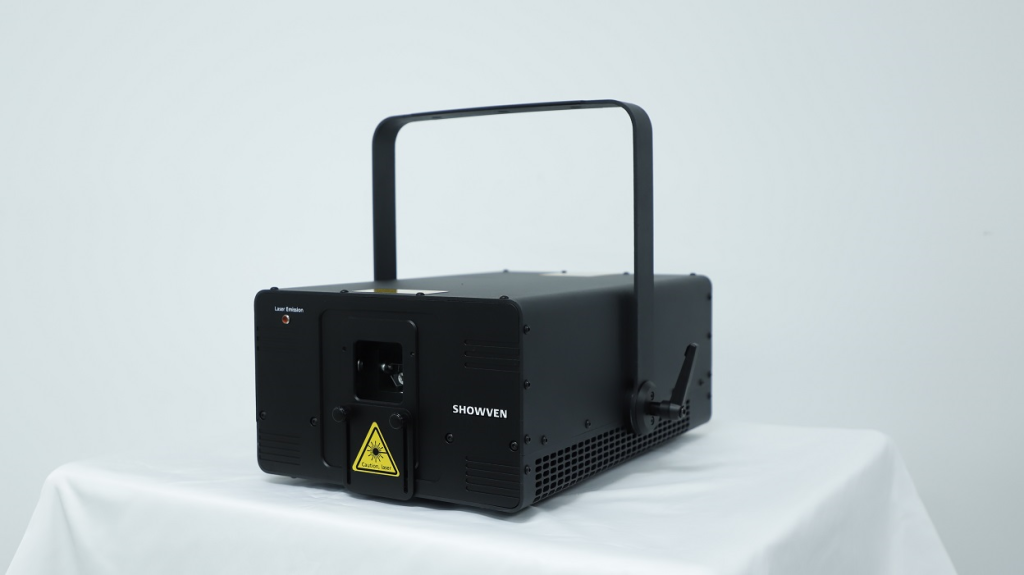
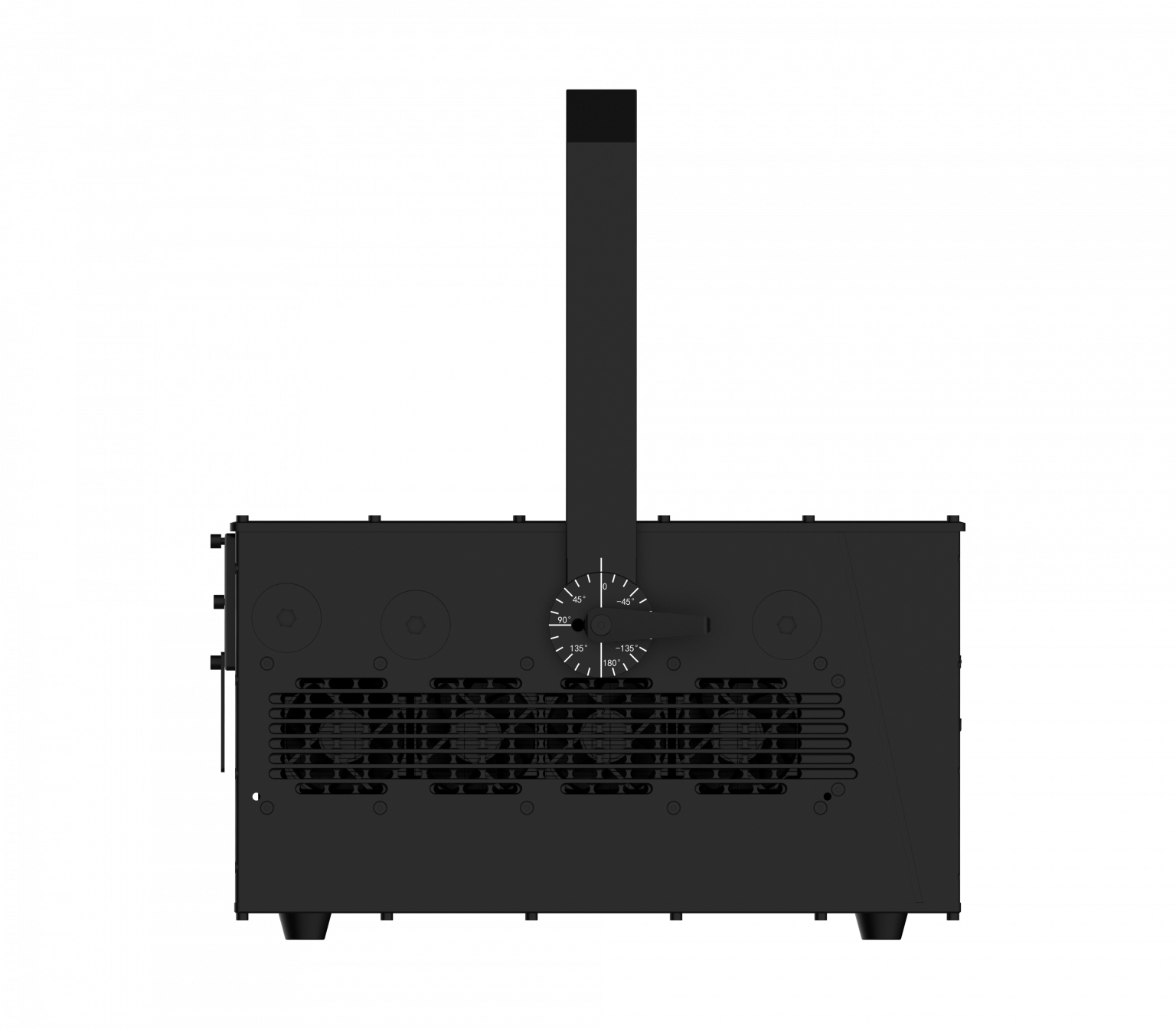
Hidden pain points pile up: content rendered for 30Kpps scanners hits 50Kpps heads and stutters; operators fight hot spots because the geometry was mocked on a flat wall, not a 180-degree field; and IP65 promises meet real rain, which loves connectors. Add compliance: audience scanning thresholds force last‑minute angle trims that break symmetry. Meanwhile, edge computing nodes are underused, so every change routes back to a single desk. The result? A show that looks good on paper but lands mid-tier on site—safe enough, but not transcendent. The flaw isn’t effort. It’s the assumption that pre-viz equals performance under live entropy.
Part 3: From Manual Tweaks to Smart Beams
What’s Next
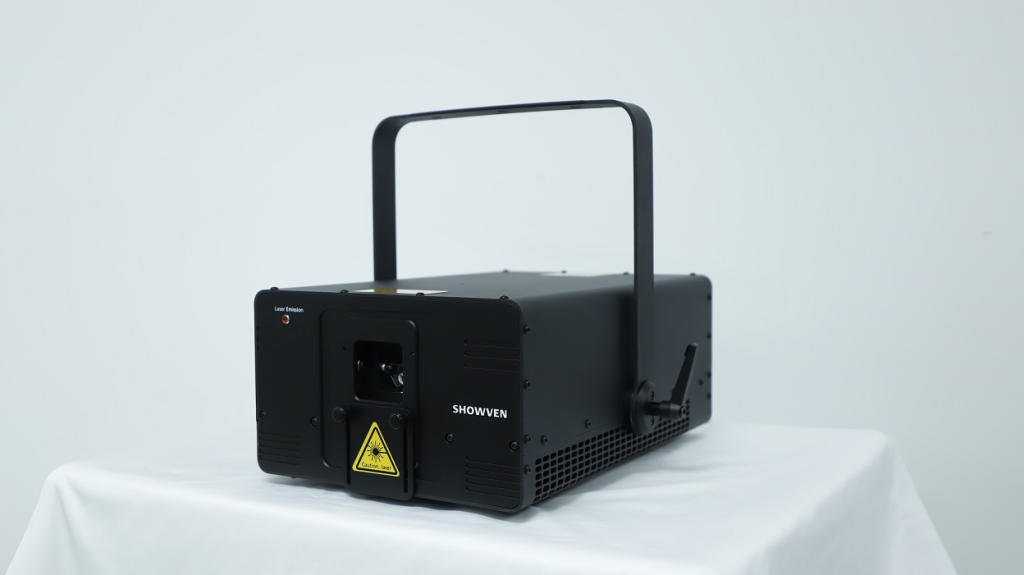
Now, shift the lens. The better path compares manual workflows to systems that sense and adapt. New control stacks model the air, not just the art—using live haze readings, lidar crowd bounds, and auto-trim of beam divergence to keep effects crisp without blowing safety zones. A modern laser holiday light projector can form the front end, but the leap happens in software: predictive cueing that pre-compensates scan rate based on pattern complexity, and micro‑buffering that kills stutter. Add redundancy at the signal layer, not just the power rail, so a controller hop doesn’t nuke a whole scene. Semi-formal take: we’re moving from “program once” to “program and supervise,” where galvanometer health, color balance drift, and thermal headroom feed back into the timeline—fast.
Compare that to traditional planning. Old flows freeze content, then fight the venue. The forward model does the inverse: map the venue, then shape content in context. It’s not magic—just a control loop. You get fewer last-minute trims and cleaner edges in rain or dust. And when scale hits—four stages, midnight switchovers—the system reallocates headroom by zone and keeps latency stable. Summing up: earlier we saw how cable runs, safety interlocks, and mismatch in scan specs degrade results; here, adaptive pipelines absorb that chaos and return consistency. For selection, keep three checks in your back pocket: measurable scan-rate headroom under load (not just spec-sheet max), end-to-end latency from desk to galvanometer under a full cue pack, and environmental resilience—IP rating plus connector sealing verified in wet and dusty ramps. Nail those, and your show stops gambling and starts delivering—night after night. And yes, the quiet hero is still ops discipline—funny how that works, right? For deeper specs and system design thinking, see Showven Laser.