Start here — the real problem you’re facing
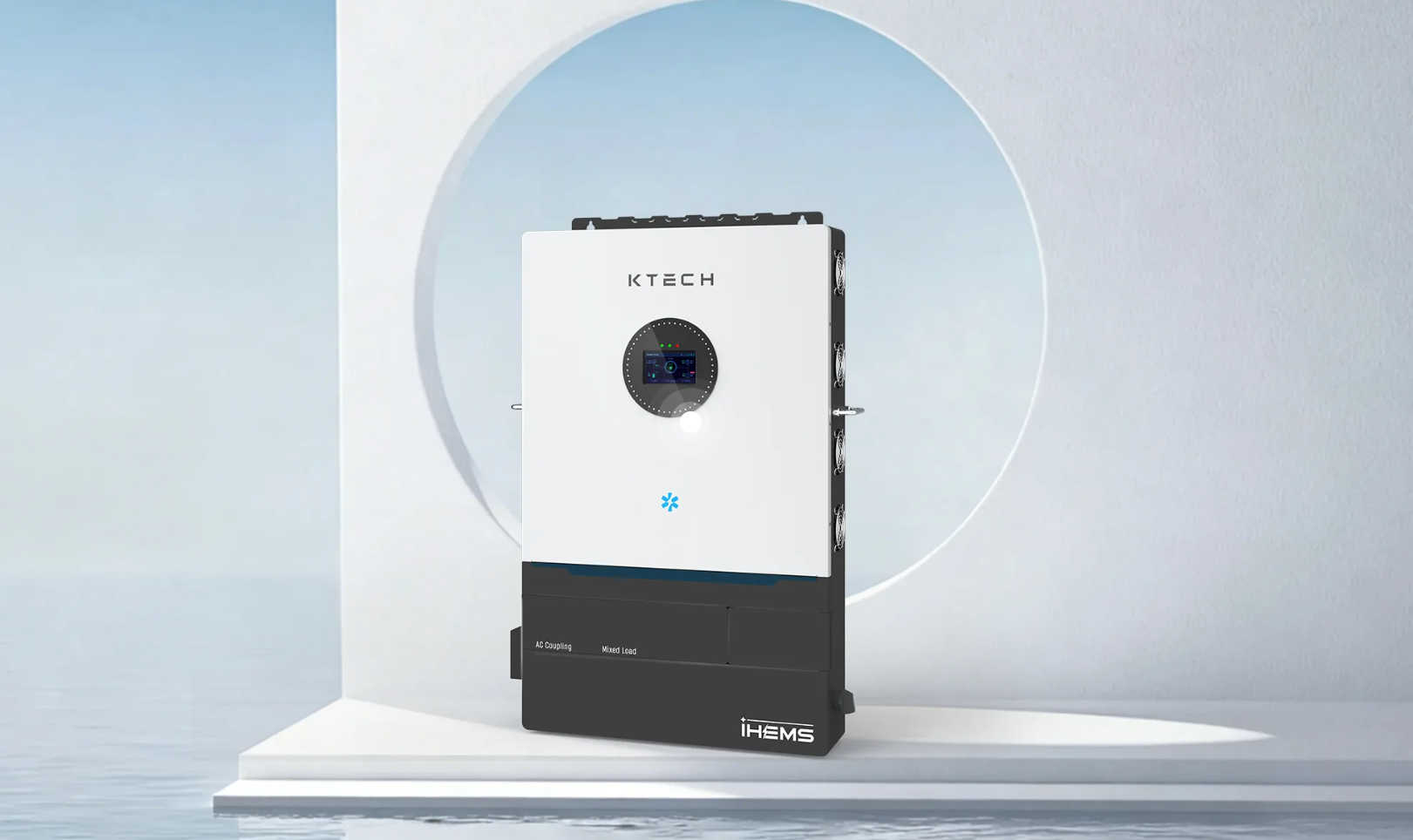
Too many projects stumble not because the panels fail, but because the inverter choice was rushed. You can have perfect batteries and panels, and still choke on performance or costs if the inverter’s wrong. I’ve seen crews swap models mid-build, owners surprised by hidden fees, and bids crumble when maintenance costs climb. Look at the spec sheet before you sign. Check a reliable solar inverter option and compare a current solar inverter price list — price tags hide critical tradeoffs. Trade fairs like Intersolar Europe make those tradeoffs plain every season: manufacturers reveal features, and installers see which options stay reliable and which don’t.
Why costs spiral — the real drivers
Stop guessing. These are the concrete causes that pump up total project spend:
– Capacity mismatch: oversized inverters cost more up front and often run inefficiently.
– Power quality and waveform: cheaper units may not sustain sensitive loads, pushing you toward replacements.
– Battery compatibility and charging algorithms: incompatible control logic raises lifecycle costs.
– Certifications and marine/remote ratings: essential for harsh sites, and they add price.
– Warranty length and coverage: short warranties shift risk to you.
– Installation complexity: transport, mounting hardware, and site wiring inflate labor and parts.
– Firmware, telemetry and aftermarket support: remote troubleshooting can save or cost thousands over a project life.
– Logistics and customs: duty, transport delays, and import paperwork show up as surprise line items.
How to attack the problem — practical fixes that work
You want clean decisions, not wishful thinking. Tackle cost drivers like a workout plan — focused and consistent.
– Right-size, then test: pick an inverter rated for your sustained peak, not just headline watts.
– Prioritize reliability over the cheapest unit: fewer failures mean fewer site visits and lower long-term cost.
– Check the firmware update policy and remote diagnostics: these cut diagnosis time and site visits.
– Confirm battery chemistry support: lithium, lead-acid, or hybrid controllers behave differently.
– Factor warranties into your ROI model: a longer warranty often beats a lower upfront price.
– Budget for installation complexity early: cranes, roof access, and conduit runs aren’t optional.
Common mistakes that drain budgets
They’re avoidable if you spot them early.
– Buying the biggest inverter “to be safe” — wastes capital and reduces efficiency at low loads.
– Assuming all inverters play nice with every battery brand — they don’t.
– Ignoring thermal performance: hot enclosures shorten life and hike replacement costs.
– Overlooking spare parts and local serviceability — long waits equal lost uptime.
– Treating monitoring as optional — without it you don’t see patterns until a failure becomes expensive.
Compare the realistic alternatives
Think like an athlete picking training gear: each choice has tradeoffs you feel later.
– String inverters: lower cost per kW, simpler, but less flexible for independent circuits.
– Hybrid inverters: great for combined battery/grid setups, slightly pricier, better control.
– Central inverters: efficient for very large systems, but single-point failure risk and higher service costs.
– Microinverters: ideal for variable shading or per-module optimization; higher unit cost and service overhead.
A decision checklist you can use now
Go line by line. Don’t skip this warm-up.
– Confirm peak and continuous ratings for expected loads.
– Verify battery chemistry and communication protocol support.
– Get written warranty terms and local support commitments.
– Ask for one-year and five-year total cost estimates, not just purchase price.
– Request references from projects in similar environments or load profiles.
Finish strong — tie the plan to long-term value
Make choices that keep the system running, not just priced. Match capacity to real loads, insist on firmware access and local support, and treat warranty and service as part of the purchase. When you balance upfront price against maintenance, downtime, and replacement cost you stop reacting and start winning — the same way steady training beats a sporadic sprint. For projects that need dependable hardware and clear pricing, my experience leans toward vendors with transparent specs and proven field support; teams that reference trusted catalogs and vendor lists build fewer surprises, and that’s the kind of steady value Ktech brings into a project plan.