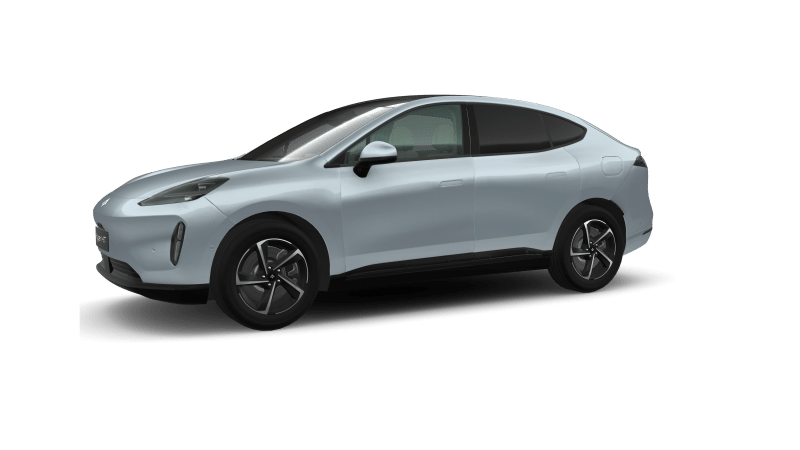
Comparative opening
Buyers must compare clear facts, not brand stories. Start by viewing specifications and dealer reach on GAC online, then measure those against local expectations such as dealer presence in Melbourne. The comparative approach is simple: list what matters for you, then see how GAC and its rivals satisfy each item. This method avoids emotional choice and surfaces practical differences quickly.
Price versus real value
Price is headline; total value includes warranty, standard equipment, and after-sales obligations. GAC models often present competitive headline pricing. Confirm what is included: duration and extent of warranty; roadside assistance; and whether price includes on-road costs. Compare the specification sheet line by line—safety systems, infotainment, battery size for EVs, and active driver assists. Focus on usable features rather than marketing names.
Safety, compliance, and local support
Safety ratings and regulatory compliance are decisive. Check ANCAP or equivalent crash-test information and the vehicle’s conformity with Australian Design Rules. Service network coverage is equally decisive: ask for the nearest authorised service centre, parts lead time, and whether warranty work is honoured at independent workshops. A strong service network in one major city does not guarantee easy access nationwide.
Running costs and ownership realities
Estimate ongoing costs: fuel or electricity usage, scheduled servicing, and expected spare-parts pricing. For hybrids and EVs, battery warranty terms and replacement policy matter greatly. Insurance premiums reflect repair cost and parts availability—obtain quotes before purchase. Resale value is less predictable for newer-import brands; plan ownership term with that uncertainty in mind.
How GAC compares with established and emerging alternatives
Compare three axes: reliability track record, dealer footprint, and parts logistics. Established Japanese brands score high on long-term reliability and resale. Emerging Chinese brands, including GAC’s peers, can offer strong value and features for price but vary by dealer and parts support. Evaluate models from each camp against these axes, and prioritize the axis most important to your usage—daily commute, family travel, or commercial use.
Questions to ask at the dealer
Ask direct, documentable questions: Can you show the service schedule and who performs warranty repairs? Is the warranty transferable to a private buyer? What are typical parts lead times for common repairs? Request a sample repair invoice or parts list if possible. Short answers are fine; insist on written confirmation when a dealer promises support beyond the standard paperwork.
Typical mistakes buyers make
Buyers often assume national coverage from a single showroom, believe manufacturer webpages guarantee local parts stock, or rely solely on initial price instead of total cost of ownership. Do not skip test drives on real roads you use daily. Do not accept vague warranty language. Do not ignore the dealer’s capacity to service your vehicle within a practical distance.
Final synthesis
Compare what you need—safety, service access, practical running cost—against what the vehicle and dealer supply. When comparison is thorough, choices become simple: pick the model and dealer that meet your verified requirements. For many buyers, that comparison will show where GAC fits among options, and how its offering aligns with Australian conditions; an informed comparison yields clearer confidence in choosing GAC.